An Introduction to a Wonder Material
Nano zinc oxide (n-ZnO) is rapidly emerging as one of the most versatile nanomaterials in modern science and industry. With its unique properties—including exceptional UV-blocking capabilities, potent antimicrobial activity, and high catalytic efficiency—it's no surprise that its applications span from advanced sunscreens and textiles to cutting-edge medical devices and environmental remediation. For Indian researchers and industries, n-ZnO represents a monumental opportunity to innovate and capture global markets.
However, this potential is coupled with a critical challenge: navigating a complex and evolving regulatory environment. As with any nanotechnology, questions surrounding **zinc oxide toxicity in India** and the broader framework of **Indian nanomaterial regulations** are paramount. This guide is designed to provide a clear, humanized overview of the current landscape, helping you understand the key compliance points and safety standards necessary to responsibly harness the power of nano zinc oxide.
The Double-Edged Sword: Benefits vs. Toxicity Concerns
Unlocking Groundbreaking Research: Key Benefits
For the Indian R&D community, nano zinc oxide offers a treasure trove of possibilities. Its primary benefits include:
- Superior UV Protection: Its ability to absorb and scatter UVA and UVB radiation makes it a superior ingredient in sunscreens and UV-protective coatings.
- Potent Antimicrobial Agent: n-ZnO particles can inhibit the growth of a wide range of bacteria and fungi, a crucial property for medical textiles, food packaging, and antiseptic creams.
- High Catalytic Activity: Its large surface area makes it an effective catalyst in chemical reactions and a key component in sensors and photocatalytic water purification systems.
- Biocompatibility: When used correctly, zinc oxide is considered biocompatible and is even used in nutritional supplements, making it suitable for various biomedical applications.
Addressing the Risks: Understanding Zinc Oxide Toxicity in India
While the benefits are clear, the conversation around **zinc oxide nanoparticle safety standards** is vital. The potential for toxicity primarily depends on factors like particle size, concentration, coating, and the route of exposure (inhalation, ingestion, or dermal). In India, regulatory bodies are increasingly focused on understanding these nuances. The primary concerns involve potential cytotoxicity if nanoparticles enter the bloodstream and ecotoxicity if they accumulate in the environment. Therefore, a robust understanding of material characterization and adherence to safety protocols are non-negotiable for any organization working with n-ZnO.
A Spectrum of Innovation: Nano Zinc Oxide Applications
Cosmetics & Personal Care
The most prominent application. n-ZnO provides transparent, broad-spectrum UV protection in sunscreens without the chalky white residue of its bulk counterpart. It's also used in anti-dandruff shampoos and mineral makeup.
Textiles & Fabrics
Imparting UV-blocking and antimicrobial properties to fabrics. This is crucial for creating medical gowns, sportswear, and military apparel that protect the wearer and resist odor-causing bacteria.
Paints & Coatings
Used in anti-fungal paints and protective coatings for wood and metal. Its UV resistance also prevents the degradation and fading of colors, extending the life of the coating.
Biomedical & Pharmaceutical
Explored for use in drug delivery systems, bio-imaging, and as an antibacterial agent in wound dressings and dental fillings. Its role in anti-cancer research is also a promising field of study.
The Regulatory Maze: Decoding Indian Nanomaterial Regulations
This is the most critical area for any entity working with n-ZnO in India. Unlike the EU's REACH or the USA's TSCA, India's framework for nanomaterials is not consolidated into a single law. Instead, **nano zinc oxide compliance in India** requires navigating a mosaic of guidelines and existing regulations.
Key Regulatory Bodies and Guidelines:
- Department of Science and Technology (DST): The DST has been at the forefront, issuing "Guidelines for Safe Handling of Nanomaterials." While not legally binding, they serve as the foundational best-practice document for research labs and industries.
- ICMR and CDSCO: For medical applications, the "Guidelines for Evaluation of Nanopharmaceuticals in India" released by the Indian Council of Medical Research (ICMR) and the Central Drugs Standard Control Organisation (CDSCO) are paramount. They outline the specific toxicity and efficacy data required for approval.
- Bureau of Indian Standards (BIS): The BIS is actively working on creating specific standards for various nanomaterials, including zinc oxide. Keeping an eye on **zinc oxide regulatory updates** from the BIS is crucial for future compliance.
- Existing Environmental & Chemical Laws: Until specific nano-regulations are enacted, n-ZnO is often governed by existing laws like the Environment Protection Act (1986) and the Manufacture, Storage and Import of Hazardous Chemicals Rules (1989). This means proper waste disposal and workplace safety are legally enforceable.
The key takeaway for ensuring **nano zinc oxide regulatory compliance in India** is proactive documentation. This includes maintaining detailed records of particle characterization, comprehensive safety data sheets (MSDS), and a clear risk assessment for every application. In the absence of a single framework, demonstrating due diligence and adherence to international standards (like ISO/TC 229) is your best defense and a mark of a responsible innovator.
Market Insights: Nano Zinc Oxide Trends in India
The **Nano Zinc Oxide Market Trends** in India are incredibly promising. Driven by the booming cosmetics industry, a growing awareness of UV protection, and government initiatives like "Make in India," the demand is set to soar. Researchers and businesses that align with these trends and master the regulatory landscape will be best positioned for success. Factors like **Nano Zinc Oxide Price** are becoming more competitive as the **Nano Zinc Oxide Production Process** matures locally, making it more accessible for startups and SMEs. Finding reliable **Nano Zinc Oxide Suppliers** who can provide consistent quality and regulatory support is a key strategic advantage.
Frequently Asked Questions (FAQ)
Find the Right Material for Your Research
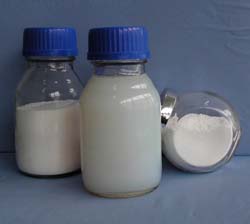
Zinc-Oxide Powder ( White)
View Product →
Nano Zinc Oxide Powder, (White Powder)
View Product →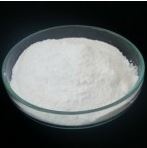
Zinc oxide nanopowder
View Product →Your Partner in Nanotechnology Compliance
Don't let regulatory hurdles slow down your innovation. Our team provides high-quality nano zinc oxide with the comprehensive documentation you need to stay compliant.
Contact Us for a Quote