An Introduction to Nano Zinc Oxide's Untapped Potential
Nano Zinc Oxide (Nano ZnO) is one of the most versatile nanomaterials in modern science. Its unique properties—strong UV absorption, piezoelectricity, and antimicrobial activity—have made it a cornerstone in fields ranging from cosmetics to electronics. However, to truly harness its power, we must look at its surface. For researchers and professionals in India, a nation rapidly advancing in materials science and manufacturing, understanding Nano ZnO surface functionalization is no longer just an academic exercise; it's a critical step towards innovation and commercialization.
At their core, nanoparticles have incredibly high surface-area-to-volume ratios. This means their surface chemistry dictates their behaviour. Unmodified Nano ZnO particles often suffer from a critical drawback: they tend to agglomerate or clump together, drastically reducing their effectiveness. This is where surface engineering of nano zinc oxide comes in. By strategically altering the nanoparticle's surface, we can enhance its stability, improve its compatibility with other materials, and even introduce new functionalities. This guide delves into the why and how of Nano ZnO surface modification, providing a roadmap for Indian innovators to lead the way.
Key Benefits of Surface Functionalization for Researchers
Enhanced Dispersibility & Stability
Surface treatments prevent nanoparticle agglomeration, ensuring a homogenous and stable dispersion in polymers, solvents, and cosmetic formulations. This is crucial for consistent product quality and performance.
Improved Biocompatibility
For biomedical applications, coating Nano ZnO with biocompatible polymers like PEG reduces cytotoxicity and improves its interaction with biological systems, opening doors for drug delivery and bio-imaging.
Targeted Functionality
Grafting nano zinc oxide with specific molecules allows for targeted interactions. For example, attaching antibodies for biosensors or specific chemical groups to improve adhesion in composites.
Optimized Optical & Electrical Properties
Surface modifications can tune the band gap and refractive index of Nano ZnO, enhancing its performance in UV filters, transparent conductive films, and optoelectronic devices.
Industrial Applications Driving Demand in India
Cosmetics & Sunscreens
Functionalized Nano ZnO offers transparent, broad-spectrum UV protection without the white cast of larger particles. Polymer coating nano zinc oxide ensures it stays on the skin's surface, enhancing safety and efficacy.
Paints & Coatings
Surface-modified Nano ZnO acts as a powerful UV stabilizer and anti-fungal agent in paints. An inorganic surface treatment nano ZnO, such as a silica coating, improves its compatibility with paint resins.
Advanced Textiles
Incorporating functionalized Nano ZnO into fabrics creates textiles with UV-blocking, antimicrobial, and self-cleaning properties, a growing market in India's technical textiles sector.
Biomedical & Healthcare
From anti-bacterial wound dressings to targeted drug delivery systems and bio-imaging agents, biocompatible surface-modified Nano ZnO is a focus of cutting-edge medical research.
India-Specific Market Trends & Opportunities
The Nano Zinc Oxide market trends in India are on a steep upward trajectory, fueled by government initiatives like "Make in India" and a burgeoning domestic demand for high-performance materials. The Indian cosmetics industry, for instance, is increasingly shifting towards safer, mineral-based sunscreens, creating a massive demand for high-quality, functionalized Nano ZnO. Similarly, the push for durable and eco-friendly infrastructure is driving the adoption of advanced paints and coatings fortified with nanomaterials.
Indian research institutions and universities are actively contributing to the field of Nano Zinc Oxide research, exploring novel surface modification strategies to tackle local challenges, such as developing antimicrobial coatings for water purification systems or enhancing the efficiency of solar cells. For businesses and researchers, this presents a golden opportunity. Sourcing materials from reliable Nano Zinc Oxide suppliers who understand the nuances of these applications is paramount. The focus is shifting from simply producing Nano ZnO to providing application-specific, surface-engineered solutions that can be seamlessly integrated into existing manufacturing processes.
Frequently Asked Questions
Nano ZnO surface functionalization is the process of strategically modifying the surface of zinc oxide nanoparticles. This is done to alter their physical and chemical properties, such as improving their dispersion in various media (like polymers or solvents), enhancing their biocompatibility for medical use, or boosting their UV-blocking efficiency in sunscreens.
Due to their high surface energy, unmodified Nano ZnO particles tend to agglomerate or clump together. This reduces their effectiveness. Surface modification prevents this agglomeration, ensuring the nanoparticles are evenly distributed and can perform optimally in applications like coatings, composites, and biomedical devices.
Common methods include polymer coating (wrapping the nanoparticles in a polymer shell), inorganic surface treatments (coating with a thin layer of another inorganic material like silica), and grafting (chemically attaching specific molecules to the surface). The choice of method depends entirely on the final application's requirements.
Yes, when properly functionalized and formulated, Nano ZnO is considered safe for use in sunscreens and cosmetics. Surface coatings can prevent the nanoparticles from penetrating the skin, allowing them to provide excellent broad-spectrum UV protection. Regulatory bodies worldwide, including in India, have approved its use based on extensive safety research.
Reliable suppliers are key for reproducible research. Companies like Hiyka and Reinste offer a range of Nano Zinc Oxide powders, including specialized and functionalized variants, catering to the specific needs of the Indian R&D community. You can explore our related products section for more details.
Recommended Products for Your Research
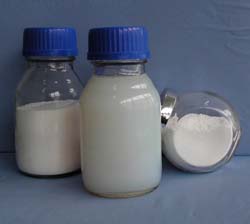
Zinc-Oxide Powder ( White)
View Product →
Nano Zinc Oxide Powder, (White Powder)
View Product →
Zinc oxide nanopowder
View Product →Ready to Advance Your Research?
Connect with our experts to find the perfect grade of Nano Zinc Oxide for your application.
Contact Us Today