
The Dawn of a Flexible Revolution
Imagine a world where your smartphone can be folded and put in your wallet, where health-monitoring sensors are seamlessly integrated into your clothes, and where solar cells can be printed onto any surface. This isn't science fiction; it's the future being built today with flexible electronics. At the heart of this revolution is a remarkable nanomaterial: nano zinc oxide (ZnO).
For Indian researchers and professionals in the burgeoning electronics sector, understanding the potential of zinc oxide nanoparticles is no longer optional—it's essential. As India pushes forward with initiatives like 'Make in India' and the 'National Policy on Electronics', the demand for advanced, cost-effective, and versatile materials is skyrocketing. Nano zinc oxide, with its unique combination of piezoelectric, semiconducting, and biocompatible properties, is perfectly positioned to meet this demand and drive indigenous innovation.
This article delves into the transformative power of nano zinc oxide in flexible electronics, exploring its benefits, diverse applications, and the specific opportunities it presents for the Indian market. Whether you're in academia, a startup, or an established industry, the journey into the world of zinc oxide in electronics starts here.
Why Researchers are Turning to Nano Zinc Oxide
The unique properties of zinc oxide nanoparticles at the nano-scale make them an ideal candidate for next-generation flexible devices. For researchers in India, leveraging these benefits can lead to breakthroughs in various fields.
-
Exceptional Piezoelectric Properties
ZnO nanostructures can generate an electric charge in response to mechanical stress. This makes them perfect for creating self-powered sensors and energy harvesters in wearable technology—a key area of nanotechnology applications.
-
Wide Bandgap Semiconductor
As a wide bandgap semiconductor, nano ZnO is transparent to visible light and a strong absorber of UV radiation. This is crucial for developing transparent electronics, flexible displays, and UV photodetectors.
-
Biocompatibility and Safety
Zinc oxide is biocompatible and considered safe for human contact. This opens up a vast range of applications in biomedical devices, from wearable health monitors to implantable biosensors, a significant advantage for zinc oxide research in the medical field.
-
Low-Cost and Abundant
Compared to expensive materials like Indium Tin Oxide (ITO), zinc is abundant and relatively cheap. This cost-effectiveness is a major driver for the commercialization of nano zinc products, especially in a price-sensitive market like India.
Industry Applications: From Lab to Market
Flexible Displays & Wearables
Nano ZnO is used to create transparent thin-film transistors (TFTs), the building blocks of modern displays. Its flexibility allows for the development of rollable screens and smartwatches that conform to the wrist, a key area for nano zinc oxide in flexible electronics devices.
Piezoelectric Nanogenerators
These devices convert mechanical energy from body movement or vibrations into electricity. Integrating ZnO nanogenerators into textiles could lead to clothes that power your devices as you walk, a prime example of nano zinc innovations.
Biomedical Sensors
The high surface-to-volume ratio of zinc oxide nanoparticles makes them incredibly sensitive for detecting biomarkers. Flexible, ZnO-based biosensors can monitor glucose, lactate, or other vital signs in real-time through skin contact.
UV Photodetectors
Given its UV-absorbing properties, nano ZnO is ideal for creating flexible UV sensors. These can be integrated into wearable devices to alert users of overexposure to harmful sun radiation, a relevant application for the Indian climate.
The Indian Advantage: Trends and Opportunities
The zinc oxide market in India is poised for significant growth, driven by both government support and industry demand. The National Mission on Nano Science and Technology has created a fertile ground for R&D, empowering universities and research labs to explore novel nano materials like ZnO.
One of the most promising areas is in low-cost healthcare diagnostics. Imagine a flexible, ZnO-based sensor strip that can detect diseases from a drop of blood, manufactured affordably in India for widespread use. Similarly, in agriculture, flexible sensors could monitor soil health and crop conditions, boosting productivity. These applications align perfectly with national priorities and represent a massive commercial opportunity.
Furthermore, as global supply chains shift, India has a unique chance to become a manufacturing hub for flexible electronics. By investing in research and sourcing high-quality raw materials like nano zinc oxide locally, Indian companies can build a competitive edge. The key is to bridge the gap between laboratory research and industrial-scale production, a challenge that collaborative efforts between academia and industry can overcome.
Frequently Asked Questions
Nano zinc oxide's suitability comes from a unique combination of properties. Its inherent piezoelectricity allows it to generate power from motion, its wide-bandgap semiconducting nature makes it ideal for transparent circuits, and its nanostructure provides the physical flexibility needed to bend and stretch without breaking. These attributes are hard to find in a single material.
Yes, zinc oxide is generally considered biocompatible and is even used in sunscreens and medical ointments. This makes it a safe choice for devices that come into direct contact with the skin, such as wearable health monitors and smart textiles. Proper encapsulation and device design further ensure its safety in all nanotechnology applications.
ITO is the current industry standard for transparent electrodes but is brittle, expensive, and based on a rare element (indium). Nano zinc oxide offers a compelling alternative as it is flexible, abundant, and significantly more cost-effective. While ITO currently has better conductivity, ongoing zinc oxide research is rapidly closing this gap.
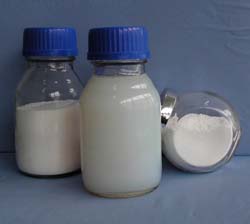
For reliable, research-grade nano zinc products, it's crucial to partner with a trusted supplier. Companies like Reinste and Hiyka offer a range of specified zinc oxide nanoparticles suitable for various R&D applications, ensuring consistency and purity for your experiments. Check out some of the related products below.
Recommended Nano Zinc Oxide Products
Ready to Innovate?
The future of electronics is flexible, and nano zinc oxide is the key. Propel your research and development forward with our high-purity materials.
View Products