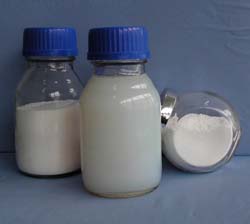
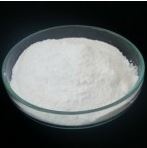
A Nanotechnology Dawn for Indian Pharmaceuticals
In the quest for more effective and less invasive medical treatments, nanotechnology has emerged as a beacon of hope. For a nation like India, with its vast population and diverse healthcare challenges, the need for innovative solutions is paramount. Enter Nano Zinc Oxide (ZnO), a versatile nanomaterial poised to revolutionize the pharmaceutical landscape. Zinc Oxide, a compound long recognized for its safety and therapeutic properties, takes on extraordinary capabilities when engineered at the nanoscale.
These Zinc Oxide Nanoparticles are at the forefront of developing next-generation Nanoparticle Drug Delivery Systems. Their unique physicochemical properties—such as high surface area, biocompatibility, and targeted action—make them ideal vehicles for delivering drugs directly to diseased cells, minimizing side effects and maximizing efficacy. As Indian researchers and pharmaceutical companies increasingly focus on high-impact R&D, understanding the potential of Nano Zinc Oxide in pharmaceuticals is no longer just an academic exercise; it's a strategic imperative for shaping the future of medicine in India.
Why Researchers are Turning to Nano Zinc Oxide
The scientific community in India is increasingly adopting ZnO nanoparticles for their remarkable advantages in biomedical research. Here’s why this nanomaterial is gaining significant traction:
- Enhanced Biocompatibility: ZnO is biodegradable and biocompatible, breaking down into zinc ions which are essential trace elements for the human body. This minimizes toxicity concerns associated with other inorganic nanoparticles.
- Targeted Drug Delivery: The surface of Zinc Oxide Nanoparticles can be easily functionalized to attach specific ligands, allowing them to target cancer cells or infected tissues precisely. This targeted approach reduces collateral damage to healthy cells, a major drawback of conventional chemotherapy.
- Inherent Therapeutic Properties: Beyond being a carrier, Nano Zinc Oxide itself possesses potent antimicrobial, anti-inflammatory, and anti-cancer properties. This dual-action capability opens up new avenues for combination therapies.
- Superior UV Protection: In dermatological applications, particularly Zinc Oxide in Skin Care, its ability to block harmful UVA and UVB radiation is unparalleled, making it a key ingredient in next-generation sunscreens.
- Cost-Effectiveness and Scalability: The synthesis of ZnO nanoparticles is relatively simple and cost-effective, a crucial factor for large-scale production and application in a price-sensitive market like India.
Key Applications: From Lab to Life
Advanced Cancer Therapy
The use of Nano Zinc Oxide in drug delivery systems for oncology is a game-changer. These nanoparticles can be loaded with anticancer drugs and guided to tumor sites, releasing their payload directly where needed. This significantly enhances treatment outcomes while reducing the debilitating side effects of chemotherapy.
Combating Superbugs
With antibiotic resistance becoming a global crisis, ZnO nanoparticles offer a powerful alternative. They disrupt bacterial cell walls and generate reactive oxygen species (ROS), effectively killing a broad spectrum of pathogens without inducing resistance, a vital tool for Indian healthcare.
Dermatology and Skin Care
Zinc Oxide in Skin Care is a well-established application. In its nano form, it provides transparent, non-greasy, and highly effective broad-spectrum UV protection in sunscreens. Its antimicrobial properties also make it ideal for anti-acne and wound-healing formulations.
Bio-imaging and Diagnostics
The unique optical properties of ZnO quantum dots are being harnessed for bio-imaging. These nanoparticles can be used as fluorescent probes to track biological processes in real-time or to label specific cells for diagnostic purposes, offering a safer alternative to traditional quantum dots.
The Indian Landscape: Opportunities and Future Trends
India is on the cusp of a nanotechnology revolution, and Nano Zinc Oxide Applications are central to this transformation. The Indian government's "Make in India" initiative and the National Mission on Nano Science and Technology (Nano Mission) are providing significant impetus for R&D in this field. Pharmaceutical hubs in cities like Hyderabad, Bengaluru, and Ahmedabad are becoming epicenters for research into Nanoparticle Drug Delivery Systems.
The trend is shifting from theoretical research to tangible product development. We are witnessing a surge in patents and collaborations between academic institutions (like the IITs and IISc) and private sector giants. The focus is on developing affordable nanomedicines to tackle prevalent health issues in India, such as infectious diseases, diabetes, and cancer. The safety and regulatory aspects, governed by agencies like the CDSCO, are also maturing, creating a clear pathway for the clinical translation of these innovative Zinc Oxide Nanotechnologies. For young researchers and established professionals, this field represents a frontier of immense opportunity and impact.
Frequently Asked Questions
Nano Zinc Oxide (ZnO) has diverse pharmaceutical applications, including targeted drug delivery for cancer therapy, potent antibacterial agents to combat resistant bacteria, UV protection in sunscreens and skincare products, anti-inflammatory treatments, and as a biocompatible agent in bio-imaging.
Yes, Nano Zinc Oxide is generally considered safe and biocompatible, especially at therapeutic concentrations. It is listed as a 'Generally Recognized As Safe' (GRAS) material by the FDA. However, extensive research is ongoing to understand the long-term effects and ensure optimal particle size and dosage for maximum safety and efficacy in drug delivery systems.
The size of Zinc Oxide nanoparticles is critical. Smaller nanoparticles (typically <100 nm) have a larger surface-area-to-volume ratio, which enhances their reactivity, catalytic efficiency, and antimicrobial properties. This size-dependency allows researchers to fine-tune ZnO's behavior for specific applications, such as improving drug payload capacity or enhancing UV-blocking efficiency.
Researchers and institutions in India can source high-purity, research-grade Zinc Oxide Nanoparticles from specialized suppliers like Hiyka, which is a part of the Reinste platform. These suppliers ensure consistent quality, particle size, and purity, which are essential for reproducible scientific research and industrial applications.