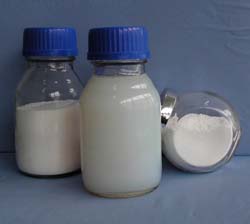
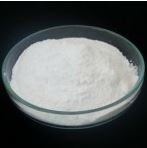
An Introduction to Nano Zinc Oxide in the Indian Context
Nanotechnology is no longer a futuristic buzzword; it's a present-day reality revolutionizing industries across the globe. At the forefront of this revolution are nanomaterials, and among the most versatile and promising is Nano Zinc Oxide (ZnO). For Indian researchers, scientists, and industrial professionals, understanding the nuances of Zinc Oxide Nanoparticles is not just an academic exercise—it's a gateway to innovation and a competitive edge in a rapidly growing market.
Zinc Oxide in its bulk form has been a staple in various industries for decades, known for its use in rubber manufacturing, ceramics, and ointments. However, when its particle size is reduced to the nanoscale (typically 1-100 nanometers), its properties are dramatically enhanced. These Zinc Oxide Nanoparticles exhibit superior UV-blocking capabilities, heightened antimicrobial activity, and increased catalytic efficiency. This transformation opens up a new frontier of applications, from advanced sunscreens and anti-cancer therapies to high-performance electronics and environmental remediation solutions.
As India continues to strengthen its position as a global hub for R&D and manufacturing, the demand for advanced materials like Nanotechnology Zinc Oxide is skyrocketing. This blog serves as a comprehensive guide for the Indian scientific community, delving into the synthesis of Nano Zinc Oxide, its critical benefits for researchers, its diverse applications in key Indian sectors, and the emerging market trends that will shape its future.
Why Researchers Should Focus on Zinc Oxide Nanoparticles
For researchers in materials science, chemistry, and biotechnology, Nano Materials like ZnO offer a fertile ground for discovery. Here are the key benefits and research advantages:
- Tunable Properties: One of the most significant advantages of Zinc Oxide Nanoparticles Synthesis is the ability to control particle size, shape, and morphology. This allows researchers to fine-tune the material's optical, chemical, and physical properties to suit specific applications, from transparent UV-shielding films to targeted drug delivery systems.
- Biocompatibility and Safety: Zinc is an essential trace element for humans, and ZnO is generally recognized as safe (GRAS) by the FDA. This biocompatibility makes it an excellent candidate for biomedical research, including bio-imaging, antibacterial coatings for medical devices, and even nutrient supplements.
- Cost-Effectiveness and Abundance: Compared to other nanomaterials like nano-silver or gold, the precursors for synthesizing Nano Zinc Oxide are abundant and relatively inexpensive. This lowers the barrier to entry for research institutions and startups in India, promoting widespread R&D.
- High Surface Area-to-Volume Ratio: The nanoscale dimensions of ZnO provide a massive surface area, making it highly reactive and efficient in applications like catalysis, sensing, and adsorption. This is particularly relevant for developing solutions for water purification and pollution control, key issues in the Indian context.
- Versatile Synthesis Methods: Researchers can explore a variety of synthesis routes, from co-precipitation and sol-gel methods to hydrothermal and green synthesis techniques using plant extracts. This versatility allows for innovation in creating more sustainable and scalable production processes.
Key Industrial Applications in India
The unique properties of Nano Zinc Oxide translate into a wide array of practical applications that are highly relevant to India's industrial landscape. Here’s a look at some of the most impactful sectors.
Cosmetics and Sunscreens
The most well-known application is in Zinc Oxide in Sunscreens. Unlike larger particles that appear white, nano-sized ZnO is transparent, eliminating the chalky residue while providing broad-spectrum UVA and UVB protection. The Indian cosmetics market is rapidly expanding, and demand for effective, aesthetically pleasing sun care products is at an all-time high.
Rubber and Tire Manufacturing
Nano Zinc Oxide acts as a superior activator in the vulcanization process of rubber. Its high surface area improves cross-linking efficiency, leading to enhanced durability, heat resistance, and abrasion resistance in tires and other rubber products—a critical advantage for India's large automotive sector.
Antimicrobial Textiles
Incorporating Nano Zinc Compounds into fabrics creates textiles with powerful antimicrobial and UV-protective properties. This is ideal for medical apparel, sportswear, and even everyday clothing, offering a significant value-add for India's massive textile industry.
Paints and Coatings
As an additive in paints, Nano ZnO provides UV resistance, preventing fading and degradation. Its antifungal and antibacterial properties also inhibit the growth of mold and mildew, making it perfect for durable, long-lasting coatings for buildings in India's diverse climates.
Opportunities and Market Trends for Nano Zinc in India
The Nano Zinc Industry Reports consistently point towards strong growth, with the Indian market playing a pivotal role. Several factors are driving this trend. The "Make in India" initiative encourages domestic production of high-tech materials, creating a favorable environment for manufacturers of Nano Zinc Oxide. Furthermore, increasing consumer awareness regarding UV protection and hygiene is boosting demand in the personal care and textile sectors.
A critical aspect for quality control and R&D is the Nano zinc oxide particle size analysis. As the market matures, the demand for well-characterized, high-purity nanoparticles with specific size distributions will grow. This presents an opportunity for companies and research labs equipped with advanced characterization tools like TEM, DLS, and XRD to become leaders in the field.
Emerging Zinc Oxide Market Trends in India include its use in agriculture (as a micronutrient fertilizer and antifungal agent), in food packaging (for antimicrobial films), and in electronics (as a semiconductor in sensors and transparent electrodes). These budding Zinc Oxide Applications signal a diversification from traditional uses and represent immense growth potential for innovators and entrepreneurs in the Indian nanotechnology ecosystem.
Frequently Asked Questions (FAQ)
Nano Zinc Oxide (ZnO) consists of zinc oxide particles with dimensions in the nanoscale, typically ranging from 1 to 100 nanometers. This small size gives it unique properties like high reactivity, enhanced UV-blocking capabilities, and antimicrobial effects, which are not as prominent in its bulk form.
Particle size analysis of Nano Zinc Oxide is crucial for quality control. Common techniques include Dynamic Light Scattering (DLS) for particles in suspension, Transmission Electron Microscopy (TEM) and Scanning Electron Microscopy (SEM) for direct visualization and size measurement, and X-ray Diffraction (XRD) to determine crystallite size.
In India, Nano Zinc Oxide is widely used in sunscreens and cosmetics for UV protection, in rubber manufacturing as a vulcanization activator, in paints and coatings for durability and antimicrobial properties, and increasingly in biomedical applications like drug delivery and antibacterial treatments.
Yes, regulatory bodies worldwide, including those referenced in India, have deemed Nano Zinc Oxide safe for use in topical sunscreens. Studies have shown that the nanoparticles do not penetrate healthy skin to any significant extent, providing effective broad-spectrum UV protection from the surface.