An Introduction to Sustainable Nanotechnology
In the quest for a sustainable future, science and technology are constantly evolving to meet global challenges. At the forefront of this movement is sustainable nanotechnology, a field dedicated to creating materials and processes that are environmentally benign, economically viable, and socially responsible. Among the myriad of nanomaterials making waves, Nano Zinc Oxide (ZnO) has emerged as a particularly promising candidate, especially within the context of Indian research and development (R&D) and industrial growth.
Nano Zinc Oxide is a multifunctional inorganic compound with particle sizes ranging from 1 to 100 nanometers. This reduction in size from its bulk counterpart unlocks a treasure trove of unique properties: superior UV-blocking capabilities, potent antimicrobial activity, and high catalytic efficiency. These characteristics make Nano ZnO a key ingredient in innovations aimed at achieving the Sustainable Development Goals (SDGs).
For Indian researchers and professionals, understanding the Nano Zinc Oxide applications and benefits is crucial. As India pushes towards self-reliance ('Aatmanirbhar Bharat') and global manufacturing leadership, materials like Nano ZnO offer a competitive edge. They pave the way for value-added products that are not only high-performing but also align with the global demand for greener technologies. From protecting our skin to preserving our food and enhancing industrial coatings, the journey of Nano ZnO is just beginning.
Key Benefits of Nano Zinc Oxide for Researchers
For the scientific community in India, Nano ZnO is more than just a material; it's a versatile tool for innovation. Its unique properties offer a wide range of advantages that can accelerate research and lead to groundbreaking discoveries.
- Enhanced Efficacy: The high surface-area-to-volume ratio means that a smaller amount of Nano ZnO is required to achieve desired effects, be it UV protection or antimicrobial action. This leads to more efficient and cost-effective formulations.
- Broad-Spectrum UV Protection: Nano ZnO provides exceptional protection against both UVA and UVB rays. This photostability makes it a superior and safer alternative to some organic UV filters, a critical factor in dermatological and materials science research.
- Biocompatibility and Safety: Extensive research has affirmed the Zinc Oxide safety profile for topical applications. It is generally recognized as safe (GRAS) by the FDA, making it ideal for research in cosmetics, skincare, and even biomedical fields without major toxicological concerns.
- Antimicrobial Properties: Nano ZnO particles can generate reactive oxygen species (ROS) that are effective against a broad range of bacteria and fungi. This opens up research avenues in food packaging, antibacterial textiles, and medical device coatings.
- Catalytic and Photocatalytic Activity: Its semiconductor properties make Nano ZnO an excellent photocatalyst. Indian researchers are leveraging this for environmental applications, such as water purification and the degradation of industrial pollutants under sunlight.
Industrial Applications: Where Nano Zinc Oxide Shines
Nanotechnology in Skincare & Sunscreens
The most well-known of Nano Zinc Oxide uses is in sunscreens. Unlike its larger-particle predecessor that left a thick white cast, nano-sized ZnO is transparent on the skin while providing superior broad-spectrum UV protection. Its gentleness and safety make it perfect for sensitive skin products, positioning it as a cornerstone of modern cosmetic science.
Advanced Coatings and Paints
Incorporating Nano ZnO into paints and coatings enhances their durability. It provides UV resistance, preventing color fading and degradation of the binder. Furthermore, its antifungal and antibacterial properties help create self-cleaning, mold-resistant surfaces, a significant benefit for buildings in India's diverse and often humid climates.
Nano Zinc Oxide in Food Industry
In the food sector, Nano ZnO is a game-changer for packaging. When embedded into polymer films, it creates an active barrier that inhibits microbial growth, extending the shelf life of perishable goods. This application directly addresses food security challenges by reducing spoilage and waste in the supply chain.
Opportunities and Trends in India
The landscape for sustainable nanotechnology in India is fertile and growing. The "Make in India" initiative and a strong push for R&D have created a conducive environment for advanced materials like Nano Zinc Oxide. Indian research institutions are actively investigating novel Nano Zinc Oxide applications, from nano-fertilizers that improve crop yields to piezoelectric nanogenerators for energy harvesting.
A significant trend is the focus on green synthesis methods for producing Nano ZnO, using plant extracts and other biological resources. This approach not only reduces the environmental footprint of production but also aligns with India's traditional knowledge systems. The market for nanomaterials in coatings and personal care is expanding rapidly, driven by a growing middle class that demands higher-quality, safer products. For professionals in material science, chemistry, and biotechnology, expertise in nanomaterials like Zinc Oxide offers immense career opportunities and the chance to contribute to India's technological advancement.
Frequently Asked Questions
Is Nano Zinc Oxide safe for use in sunscreens?
Yes, Nano Zinc Oxide is considered safe for use in sunscreens by major regulatory bodies like the FDA and the European Commission. The nanoparticles are photostable, offer broad-spectrum UV protection, and studies have shown they do not penetrate healthy skin to a significant extent, posing minimal risk.
What are the primary benefits of using Nano Zinc Oxide over conventional zinc oxide?
The primary benefits of Nano Zinc Oxide include enhanced UV-blocking efficiency, improved transparency in formulations (avoiding the white cast of traditional zinc oxide), and a larger surface area-to-volume ratio, which boosts its antimicrobial and catalytic properties. This makes it more effective in smaller quantities for applications in skincare, coatings, and food packaging.
How does Nano Zinc Oxide contribute to sustainable development?
Nano Zinc Oxide contributes to sustainability by enabling more efficient and durable products. For instance, it enhances UV resistance in coatings, extending the life of materials. In agriculture, it can be used as a nano-fertilizer, improving nutrient uptake and reducing waste. Its antimicrobial properties are also being explored for food preservation, reducing food spoilage and contributing to food security, aligning with several Sustainable Development Goals (SDGs).
What are some emerging applications of Nano Zinc Oxide in India?
In India, researchers are actively exploring Nano Zinc Oxide for advanced applications such as water purification systems due to its photocatalytic properties, developing antifungal paints to combat humidity-related issues, creating biocompatible sensors for medical diagnostics, and fortifying textiles with UV-protective and antimicrobial features.
Related Products
Ready to Innovate with Nano Zinc Oxide?
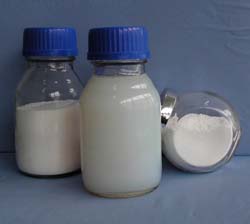
Whether you're developing next-generation sunscreens, durable coatings, or advanced materials, we have the high-purity Nano Zinc Oxide you need. Explore our products or contact our team for technical specifications.
Get in Touch