Introduction: The Double-Edged Sword of Nano Zinc Oxide
Nano Zinc Oxide (nZnO) is a cornerstone of modern nanotechnology, celebrated for its remarkable properties. From providing superior UV protection in sunscreens to enhancing antimicrobial efficacy in textiles and advancing electronics, its applications are vast and growing. For the Indian research and development (R&D) sector, which is rapidly carving a niche in material science, nZnO represents a significant opportunity for innovation. However, with great power comes great responsibility.
As the scale of materials shrinks to the nanometer level, their physical and chemical behaviors change dramatically. This alteration raises critical questions about Nano Zinc Oxide safety, toxicity, and potential health risks. For Indian researchers, lab technicians, and industrial workers, understanding the protocols for safe Nano Zinc Oxide handling is not just a regulatory requirement—it's a fundamental necessity to protect personal health and the environment. This guide provides a comprehensive overview of safe handling procedures, potential exposure routes, and the necessary precautions to harness the benefits of nZnO without compromising well-being.
Why Researchers are Turning to Nano Zinc Oxide
The unique properties of nZnO at the nanoscale make it an invaluable tool for researchers across various disciplines. Here’s why it's gaining traction:
- Exceptional UV Blocking: nZnO particles are highly efficient at scattering and absorbing UVA and UVB radiation, making them a primary component in advanced skincare and coating research.
- Potent Antimicrobial Activity: The high surface-area-to-volume ratio of nZnO allows it to generate reactive oxygen species (ROS), which are effective against a broad spectrum of bacteria and fungi, fueling research in medical textiles, food packaging, and water purification.
- Semiconductor Properties: Its wide bandgap and high electron mobility make it a subject of intense research for applications in transparent electronics, sensors, and piezoelectric devices.
- Catalytic Potential: nZnO serves as a powerful photocatalyst for degrading organic pollutants, offering promising solutions for environmental remediation—a key area of focus for Indian R&D.
Industrial Applications Driving Indian Innovation
Cosmetics and Skincare
In India's booming cosmetics market, nZnO is the star ingredient in broad-spectrum sunscreens and skincare products. Its transparency at the nanoscale eliminates the white cast associated with larger zinc oxide particles, offering aesthetically pleasing and effective sun protection.
Textiles and Fabrics
Indian textile manufacturers are integrating nZnO into fabrics to create UV-protective and antimicrobial clothing. This is particularly relevant for sportswear, medical garments, and military uniforms, adding value and functionality.
Paints and Coatings
nZnO is used as an additive in paints and coatings to provide UV resistance, preventing degradation and discoloration. Its antifungal properties also help protect surfaces from mildew, a common issue in India's humid climates.
Agriculture and Food Packaging
Researchers are exploring nZnO as a micronutrient supplement in fertilizers to combat zinc deficiency in Indian soils. In food packaging, its antimicrobial properties help extend the shelf life of perishable goods, reducing food waste.
Critical Safety Guidelines for Handling Nano Zinc Oxide
The primary concern with Nano Zinc Oxide exposure is inhalation. Airborne nanoparticles can penetrate deep into the respiratory system, leading to potential inflammation and health complications. Adherence to the following Nano zinc oxide safe handling procedures guidelines is non-negotiable.
1. Engineering Controls (First Line of Defense)
- Fume Hoods/Glove Boxes: Always handle nZnO powder inside a certified chemical fume hood or a glove box to contain airborne particles.
- Ventilation: Ensure the laboratory or production area has adequate general ventilation to dilute any fugitive nanoparticles.
2. Personal Protective Equipment (PPE)
- Respiratory Protection: A NIOSH-approved respirator (minimum N95) is mandatory when handling nZnO powder. For higher-risk activities, a P100 filter or a powered air-purifying respirator (PAPR) is recommended.
- Eye Protection: Chemical safety goggles are essential to prevent eye contact.
- Hand Protection: Wear nitrile or other chemically resistant gloves. Double-gloving can provide extra protection.
- Protective Clothing: A lab coat, fully buttoned, is required. For larger quantities, disposable coveralls are advisable.
3. Safe Work Practices
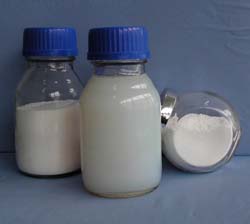
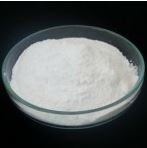
- Avoid Aerosolization: Handle powders gently to minimize dust generation. If possible, use nZnO suspended in a liquid solution to prevent aerosolization.
- Cleaning: Do not use dry sweeping or compressed air for cleaning spills. Use a HEPA-filtered vacuum cleaner or wet wiping methods.
- Storage: Store nZnO in tightly sealed, clearly labeled containers in a cool, dry, and well-ventilated area away from incompatible materials.
- Disposal: Dispose of nZnO waste and contaminated PPE as hazardous chemical waste, following institutional and national guidelines.