Introduction: The Tiny Giant of Indian R&D
In the burgeoning field of nanotechnology, few materials command as much attention as nano zinc oxide (nZnO). This versatile inorganic compound, shrunk down to the nanoscale (typically 1-100 nanometers), exhibits a fascinating array of properties that are fundamentally different from its bulk counterpart. For Indian researchers and professionals in sectors ranging from cosmetics and textiles to electronics and healthcare, understanding the nuances of nano zinc oxide properties is no longer a niche interest—it's a critical component of innovation.
The Government of India's "Make in India" and "National Mission on Nanoscience and Nanotechnology" initiatives have created a fertile ground for advanced materials research. In this context, nZnO stands out as a material with immense commercial and scientific potential. Its unique ability to block UV radiation, inhibit microbial growth, and conduct electricity under specific conditions makes it a "smart" material poised to solve some of India's most pressing industrial challenges. This article provides a comprehensive overview of nZnO, covering its synthesis, unique properties, and burgeoning applications, with a special focus on its relevance to the Indian market.
Unveiling the Unique Properties of Nano Zinc Oxide
The remarkable utility of nZnO stems from its size-dependent characteristics. When zinc oxide is reduced to the nanoscale, its surface-area-to-volume ratio increases dramatically, unlocking new physical and chemical behaviors. Here are some of the key nano zinc oxide properties that make it so valuable:
- Broad-Spectrum UV Protection: This is perhaps the most well-known property. nZnO is exceptionally effective at absorbing and scattering both UVA (320-400 nm) and UVB (280-320 nm) radiation, making it a superior ingredient for sunscreens and UV-protective coatings.
- High Refractive Index: With a high refractive index (~2.0), it can provide excellent opacity and coverage in paints, coatings, and cosmetics, while its nano form can be engineered for transparency.
- Semiconducting Nature: What is the band gap of nano zinc oxide? It possesses a wide direct band gap of approximately 3.37 eV. This allows it to be transparent to visible light while absorbing UV light, a crucial property for transparent electronics, UV sensors, and photocatalysis.
- Antibacterial and Antifungal Activity: nZnO particles can generate reactive oxygen species (ROS) that damage the cell walls of bacteria and fungi, leading to their death. This makes it a powerful antimicrobial agent for textiles, food packaging, and medical applications.
- Piezoelectricity: nZnO exhibits piezoelectric properties, meaning it can generate an electric voltage in response to applied mechanical stress. This opens up applications in nanosensors, actuators, and energy harvesting devices.
- High Thermal Conductivity: It efficiently dissipates heat, a useful property for formulations in rubber and electronics where thermal management is critical.
The Art of Creation: Nano Zinc Oxide Synthesis Methods
The method used for nano zinc oxide synthesis is critical as it determines the final particle size, morphology (shape), and purity, which in turn dictate its properties and applications. Indian research institutions and industries are actively exploring various cost-effective and scalable synthesis routes. Common methods include:
- Co-Precipitation: A simple, low-cost "bottom-up" chemical method where a zinc salt (like zinc sulfate) is reacted with a precipitating agent (like sodium hydroxide) in a controlled environment to form nZnO particles.
- Sol-Gel Method: This technique offers excellent control over particle size and purity. It involves the hydrolysis and condensation of zinc precursors (e.g., zinc acetate) to form a stable colloidal solution (sol) that is then processed to create a gel, which upon drying and calcination yields nZnO powder.
- Hydrothermal Synthesis: This method uses high-temperature water or steam in a sealed vessel (autoclave) to crystallize nZnO. It's known for producing highly crystalline nanoparticles with well-defined shapes.
- Green Synthesis: A growing area of interest in India, this eco-friendly approach uses biological entities like plant extracts, bacteria, or fungi as reducing and capping agents. This method avoids harsh chemicals, making it a sustainable choice for certain applications.
From Lab to Market: Key Nano Zinc Oxide Applications in India
The diverse properties of nZnO translate into a wide array of practical uses. The nano zinc oxide applications are expanding rapidly, driven by demand from several key Indian industries.
Cosmetics and Sunscreens
The nano zinc oxide sunscreen market is a major driver. Unlike older formulations, nZnO provides transparent, broad-spectrum UV protection without the chalky white residue. Its safety and efficacy have made it a go-to ingredient in modern skincare. The debate of nano zinc oxide vs titanium dioxide often concludes with nZnO offering broader UVA protection.
Antibacterial Textiles
Incorporating nZnO into fabrics creates self-cleaning and antimicrobial textiles. This is highly valuable for sportswear, medical fabrics, and military uniforms, preventing odor and infection by inhibiting bacterial growth on the fabric surface.
Paints and Coatings
As an additive, nZnO imparts UV resistance, preventing paint from fading and degrading. Its antifungal properties also protect surfaces from mildew and mold, a significant advantage in India's humid climates. The excellent nano zinc oxide dispersion is key to a smooth finish.
Rubber Manufacturing
nZnO is a crucial activator in the vulcanization of rubber, improving its strength, heat resistance, and elasticity. The Indian tire industry is a major consumer, benefiting from the enhanced performance that nanoparticles provide over conventional zinc oxide.
Market Trends and Safety in India
The nano zinc oxide market in India is on an upward trajectory. The increasing consumer awareness about sun protection is fueling demand in the personal care sector. Simultaneously, its use in industrial applications like paints and rubber continues to grow. When it comes to nano zinc oxide safety, regulatory bodies have extensively studied its use in topical applications like sunscreens and have found it to be safe, as the particles do not penetrate healthy skin. However, research is ongoing regarding the safety of inhalation, which is a consideration in manufacturing environments. Proper handling protocols are essential to mitigate any potential risks.
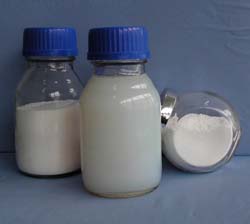
For researchers, the focus is now on developing novel nano zinc oxide formulation techniques to enhance its stability and efficacy in various mediums. The challenge of achieving a stable nano zinc oxide dispersion without agglomeration is a key area of study, as clustered particles can lose their unique nano-properties. As the technology matures, we can expect to see nZnO playing an even bigger role in advanced diagnostics, targeted drug delivery, and environmental remediation in the Indian context.
Frequently Asked Questions
What is the band gap of nano zinc oxide?
Nano zinc oxide (nZnO) has a wide direct band gap of approximately 3.37 eV at room temperature. This property is crucial for its use in UV detectors, transparent electronics, and as a photocatalyst, as it allows nZnO to absorb UV light efficiently while remaining transparent to visible light.
Is nano zinc oxide safe for use in sunscreen?
Yes, nano zinc oxide is considered safe for use in sunscreens by major regulatory bodies like the US FDA and the European Commission. The nanoparticles are photostable and are not found to penetrate healthy, intact skin to any significant extent. Its broad-spectrum UV protection makes it one of the most effective and safe physical sunscreen ingredients available.
What are the main applications of nano zinc oxide?
The primary applications of nano zinc oxide include cosmetics (especially sunscreens for UV protection), antibacterial coatings in textiles and paints, rubber manufacturing to improve durability, electronics as a semiconductor material, and in biomedical fields for its antimicrobial and anti-inflammatory properties.
How does nano zinc oxide compare to titanium dioxide in sunscreens?
Both are excellent physical UV filters. Nano zinc oxide offers broader protection across the entire UVA and UVB spectrum, whereas titanium dioxide is slightly more effective in the UVB range. A key advantage of nZnO is its transparency on the skin, avoiding the thick white cast often associated with non-nano or even some nano TiO2 formulations.