The Dawn of a Nanomaterial Revolution in Indian Electronics
In the heart of India's technological leap, a silent revolution is underway, powered by materials so small they defy imagination. This is the world of nanotechnology, and at its forefront is a remarkably versatile compound: nano zinc oxide (ZnO). For Indian researchers, scientists, and industry professionals, understanding the potential of zinc oxide nanoparticles is no longer a matter of academic curiosity—it's a strategic imperative. As India strives to become a global hub for electronics manufacturing and R&D, materials like nano zinc oxide are the foundational building blocks for innovation.
Zinc oxide, a compound we've known for centuries in products from sunscreens to ceramics, transforms when engineered at the nanoscale. These zinc oxide nanoparticles exhibit extraordinary electronic, optical, and chemical properties that their bulk counterparts lack. With a wide direct bandgap, high electron mobility, and strong UV absorption, nano ZnO is a semiconductor of immense interest. Its applications are not just theoretical; they are actively shaping the future of consumer electronics, renewable energy, and medical devices.
This article delves into the world of nano zinc oxide applications, with a special focus on its relevance to the Indian context. We will explore its fundamental properties, the benefits it offers to researchers, its diverse roles in the electronics industry, and the market trends that position it as a key material for India's future.
Why Researchers are Turning to Nano Zinc Oxide
For the Indian R&D community, zinc oxide nanomaterials offer a unique playground for innovation. Here are some of the key benefits that make it a material of choice:
- Exceptional Semiconductor Properties: With a wide bandgap of ~3.37 eV and a large exciton binding energy (60 meV), ZnO is highly efficient for optoelectronic devices, enabling applications in UV LEDs and laser diodes.
- High Electron Mobility: Nano ZnO boasts high electron mobility, which is crucial for developing high-performance, transparent thin-film transistors (TFTs) used in modern displays and flexible electronics.
- Piezoelectric Nature: Zinc oxide is both piezoelectric and pyroelectric, meaning it can generate an electric voltage in response to mechanical stress or temperature changes. This opens doors for creating self-powered nanosensors and energy harvesting devices.
- Biocompatibility and Low Cost: Unlike some other semiconductor materials, ZnO is biocompatible, non-toxic, and abundant. This makes it ideal for biomedical sensors and reduces the cost of manufacturing, aligning with India's goal of developing affordable technology.
- Tunable Properties: Researchers can tune the properties of nano zinc oxide by controlling its size, shape (nanowires, nanorods, quantum dots), and doping, allowing for customized materials tailored to specific applications.
Key Applications of Nano Zinc Oxide in Electronics
Transparent Electronics
One of the most exciting nano zinc oxide uses is in transparent conducting films (TCFs). Because ZnO is transparent to visible light and electrically conductive, it's a prime alternative to the expensive Indium Tin Oxide (ITO) used in touch screens, LCDs, and OLED displays. This is critical for India's growing display manufacturing industry.
UV Sensors and Photodetectors
Thanks to its wide bandgap, nano ZnO is an excellent material for fabricating ultraviolet (UV) sensors. These sensors are vital for applications in environmental monitoring, industrial safety, and even space exploration. Indian researchers are developing low-cost, high-sensitivity ZnO-based UV detectors.
Solar Cells
In the renewable energy sector, zinc oxide nanoparticles are used as an electron transport layer in dye-sensitized solar cells (DSSCs) and perovskite solar cells. Their high electron mobility helps in efficiently extracting charge, improving the overall efficiency of solar panels—a key focus area for India's energy security.
Gas Sensors
The high surface-area-to-volume ratio of nano ZnO makes it extremely sensitive to gas adsorption. This property is leveraged to create highly effective gas sensors for detecting pollutants like CO, NO2, and volatile organic compounds (VOCs), contributing to smart city and environmental monitoring projects across India.
Piezoelectric Nanogenerators
The piezoelectric properties of ZnO nanowires are being harnessed to create nanogenerators that can convert ambient mechanical energy (like vibrations or movement) into electricity. This technology could power small electronic devices and sensors, paving the way for self-sustaining IoT ecosystems.
Varistors
The excellent voltage-dependent resistor (varistor) characteristics of zinc oxide make it indispensable for protecting electronic circuits from voltage surges. The zinc oxide manufacturing process for varistors is well-established, and nanotechnology enhances their performance and reliability.
Opportunities and Market Trends for Nano Zinc Oxide in India
The nano zinc oxide market trends in India are incredibly promising. Fueled by the 'Make in India' initiative and a robust push towards self-reliance in electronics (Atmanirbhar Bharat), the demand for advanced materials is skyrocketing. The Indian electronics market is one of the fastest-growing in the world, creating a massive domestic demand for components built with materials like zinc oxide in electronics.
Government funding through agencies like the Department of Science and Technology (DST) and the Ministry of Electronics and Information Technology (MeitY) is actively promoting research in nanomaterials. This support is fostering a vibrant ecosystem of startups and research labs focused on developing novel nano zinc oxide applications. The focus is not just on imitation but on innovation, with Indian scientists working on next-generation flexible sensors, low-power electronics, and efficient energy solutions using ZnO.
Furthermore, the convergence of nanotechnology with other emerging fields like AI and IoT presents a unique opportunity. Smart sensors for agriculture, healthcare monitoring devices, and environmental sensors are all areas where Indian R&D can lead, with nano zinc oxide being a critical enabling material due to its favourable chemical properties and low production cost.
Frequently Asked Questions
Related Products
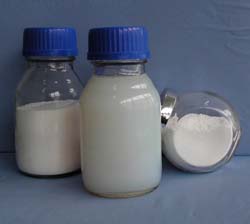
Zinc-Oxide Powder ( White)
View Product
Nano Zinc Oxide Powder, (White Powder)
View Product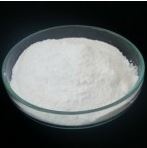
Zinc oxide nanopowder
View ProductReady to Innovate with Nano Materials?
Explore our high-purity nano zinc oxide and other advanced materials to fuel your research and development. Get in touch with our experts today.
Contact Us