Nano Zinc Oxide: Powering Advanced Sensors & Electronics in India

Discover the multifaceted applications of Zinc Oxide Nanoparticles, from advanced sensors and UV protection to antimicrobial coatings, and see how they're revolutionizing industries across India.

Explore Now

The Nanoscale Revolution: Why Zinc Oxide is a Game-Changer for Indian R&D

Imagine a material so versatile it can protect you from the sun's harmful rays, power highly sensitive electronic sensors, and combat dangerous bacteria—all at a microscopic level. This isn't science fiction; it's the reality of Nano Zinc Oxide (ZnO). As India solidifies its position as a global hub for research and development, materials science is taking center stage. Among the frontrunners is the field of nanomaterials, and Zinc Oxide Nanoparticles are leading the charge with their extraordinary properties and diverse applications.

For Indian researchers, engineers, and professionals, understanding nanostructured materials like ZnO is no longer optional—it's essential for innovation. From the bustling electronic manufacturing hubs to advanced pharmaceutical labs, Zinc Nanoparticles are unlocking new possibilities. Their unique combination of being a wide-bandgap semiconductor, biocompatible, and environmentally safe makes them a prime candidate for next-generation technology. This article delves into the world of Nano Zinc Oxide, exploring its benefits, key applications in sensor technology and electronics, and the burgeoning opportunities it presents within the Indian industrial landscape.
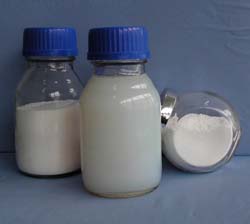
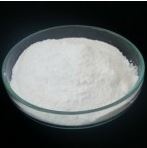
Key Benefits of Nano Zinc Oxide for Researchers

  • Enhanced Reactivity & Sensitivity

    The incredibly high surface-area-to-volume ratio of Zinc Oxide Nanoparticles dramatically increases their chemical reactivity, making them exceptionally effective in catalytic processes and highly sensitive in sensor applications.

  • Unique Optoelectronic Properties

    Nano ZnO is a direct wide-bandgap (3.37 eV) semiconductor with a large exciton binding energy. This makes it ideal for applications in UV protection, transparent electronics, and UV-emitting devices like LEDs.

  • Biocompatibility and Safety

    Recognized as "Generally Regarded As Safe" (GRAS) by the FDA, ZnO is biocompatible and non-toxic, opening up vast possibilities in biomedical fields, cosmetics (like sunscreens), and food packaging.

  • Cost-Effective and Abundant

    Compared to other nanomaterials like nano-silver or gold, Nano Zinc Oxide is significantly more affordable and is derived from abundant raw materials, making it a viable option for large-scale industrial applications in India.

Core Applications in Indian Industries

Electronics & Advanced Sensors

The future of electronics is small, flexible, and highly sensitive. Zinc Nanoparticles for Sensors are at the heart of this revolution. Their semiconducting nature allows them to detect minute changes in gas concentrations, humidity, and UV light. In India's burgeoning electronics manufacturing sector, this translates to developing low-cost, high-performance gas sensors for pollution monitoring, biosensors for medical diagnostics, and UV detectors for safety applications. The use of Nanomaterials in Electronics like ZnO is paving the way for transparent conductive films used in flexible displays and solar cells.

Cosmetics & UV Protection

One of the most widespread commercial uses of Nano ZnO is in personal care. Zinc Oxide for Sunscreens provides superior broad-spectrum protection against both UVA and UVB radiation. Unlike larger particles that leave a white cast, nanoparticles are transparent, leading to cosmetically elegant formulations. The demand for effective sun protection in India is rising, and products leveraging Zinc Oxide UV Protection technology are meeting this need by offering safe, long-lasting, and aesthetically pleasing solutions.

Antimicrobial Coatings

The powerful Zinc Oxide Antimicrobial Properties make it a valuable additive in paints, textiles, and food packaging. A Zinc Oxide Coating can inhibit the growth of bacteria, fungi, and algae. This is particularly relevant in India for developing self-cleaning surfaces, antibacterial fabrics for hospitals, and extending the shelf-life of packaged foods. This application of Nanotechnology Applications directly addresses public health and food security challenges.

Environmental Remediation

Nanostructured Zinc Oxide acts as a highly effective photocatalyst. When exposed to UV light, it generates reactive oxygen species that can break down organic pollutants, pesticides, and industrial dyes in wastewater. This technology offers a promising, low-cost solution for water purification and tackling industrial pollution, a critical area of focus for environmental R&D in India.

Frequently Asked Questions

Nano Zinc Oxide (ZnO) consists of zinc oxide particles with dimensions in the nanometer range (typically 1-100 nm). This small size gives it a high surface-area-to-volume ratio and unique quantum effects, leading to enhanced chemical, optical, and electrical properties compared to its bulk counterpart.

Yes, Nano Zinc Oxide is widely considered safe for use in sunscreens. Regulatory bodies like the FDA and the European Commission have approved its use as a UV filter. It provides broad-spectrum protection against UVA and UVB rays and is less likely to penetrate the skin due to particle clumping, making it a safe and effective option for sun protection.

Due to their high surface area and unique semiconducting properties, ZnO nanoparticles are highly sensitive to changes in their chemical environment. They are used in gas sensors to detect gases like carbon monoxide and ethanol, and in biosensors to detect biological molecules. The nanoparticles' electrical resistance changes upon interaction with the target substance, which can be measured to determine its concentration.

Nano Zinc Oxide exhibits strong antimicrobial properties through several mechanisms. It can generate reactive oxygen species (ROS) that damage bacterial cell walls, release zinc ions (Zn²⁺) that disrupt cellular processes, and physically interact with and rupture the bacterial membrane. This makes it effective in coatings, textiles, and medical applications.

For researchers and professionals in India, sourcing high-purity Nano Zinc Oxide is crucial. Suppliers like Hiyka, a Reinste company, provide a range of nanomaterials, including various grades of Zinc Oxide Nanoparticles, ensuring quality and consistency for your R&D and industrial needs.

Ready to Innovate with Nano Zinc Oxide?

Take your research and product development to the next level. Explore our range of high-purity Zinc Oxide Nanoparticles or contact our team for bulk inquiries and technical support.

Browse Products

Contact Us