The Dawn of a Material Revolution in Indian Textiles
The Indian textile industry, a cornerstone of the nation's economy, is on the brink of a technological metamorphosis. At the heart of this transformation lies the world of nanotechnology, and specifically, a remarkable material: Nano Zinc Oxide. For researchers, scientists, and industry professionals across India, understanding the potential of Zinc Oxide Nanoparticles is no longer a matter of niche interest but a strategic imperative. This innovation is not just about creating better fabrics; it's about engineering intelligent materials that can protect, perform, and persevere in ways previously unimaginable.
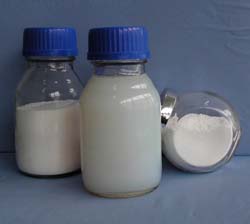
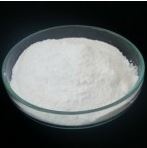
So, what exactly is Nano Zinc Oxide (ZnO)? It refers to particles of zinc oxide with dimensions on the nanoscale, typically less than 100 nanometers. At this minuscule size, materials often exhibit unique physical and chemical properties compared to their larger counterparts. For ZnO, this means enhanced UV-blocking capabilities, potent antimicrobial effects, and improved catalytic activity. When these nanoparticles are integrated into textile fibers, they impart these extraordinary functions to the fabric, birthing the field of Smart Textiles Innovation. This blog delves into the science, applications, and immense opportunities that Nano Zinc Oxide presents for the Indian R&D landscape and commercial sectors, charting a course for a smarter, safer, and more sustainable future in textiles.
Core Benefits for Researchers and Innovators
-
Superior UV Radiation Shielding
Nano Zinc Oxide offers broad-spectrum protection against both UVA and UVB rays. For researchers, this opens avenues for developing high-UPF (Ultraviolet Protection Factor) fabrics for apparel, outdoor gear, and medical textiles, a critical need in a sun-drenched country like India.
-
Potent Antimicrobial and Antifungal Properties
The high surface-area-to-volume ratio of ZnO nanoparticles allows them to effectively inhibit the growth of bacteria and fungi. This is invaluable for creating hygienic textiles, odor-resistant sportswear, and sterile medical fabrics, reducing the risk of infections.
-
Enhanced Durability and Functionality
Textile coatings with Nano Zinc can improve the mechanical strength and wash-fastness of fabrics. The nanoparticles can be engineered to create self-cleaning (photocatalytic) and flame-retardant surfaces, expanding the scope of Nanotechnology for Textile Development.
-
Non-Toxic and Biocompatible
Zinc oxide is recognized as a safe material (GRAS - Generally Recognized as Safe) by the FDA. Its biocompatibility makes it an ideal choice for applications involving skin contact, from everyday clothing to advanced biomedical textiles, distinguishing it from some other metallic nanoparticles.
Industry Applications: Where Innovation Meets Impact
Medical and Healthcare Textiles
The antimicrobial properties of Nano Zinc Oxide are a game-changer for the medical field. Applications include antibacterial wound dressings that accelerate healing, hospital gowns and linens that reduce cross-contamination, and surgical masks with enhanced filtration and self-sanitizing capabilities. This directly addresses the growing challenge of hospital-acquired infections (HAIs) in India.
High-Performance Sportswear
Athletes demand fabrics that are lightweight, breathable, and functional. By incorporating Zinc Oxide Nanoparticles, sportswear can offer superior Zinc Oxide for UV Protection during outdoor activities and inhibit odor-causing bacteria, keeping the apparel fresh for longer. This enhances both comfort and performance.
Protective and Military Apparel
For military personnel and industrial workers, clothing is the first line of defense. Nanotechnology in Textiles allows for the creation of uniforms that are not only durable and UV-protective but also resistant to microbial degradation in harsh environments. This extends the lifespan of the gear and enhances soldier/worker safety.
Everyday and Fashion Apparel
The benefits of Nano ZnO are not limited to specialized fields. The fashion industry is increasingly looking at functional fabrics. Imagine everyday shirts that protect you from the sun, or children's clothing that is inherently antimicrobial. These value-added properties are becoming a key differentiator in the competitive consumer market.
India-Specific Trends and Opportunities
The landscape for Nano Materials in Textiles in India is fertile with opportunity. The government's push through initiatives like the 'National Technical Textiles Mission' is creating a robust ecosystem for R&D and commercialization. The Nano Zinc Oxide Market is projected to grow significantly, driven by both domestic demand and export potential. Indian researchers are at the forefront, exploring cost-effective synthesis methods for ZnO nanoparticles and innovative techniques for their application onto various fabrics like cotton, silk, and jute, leveraging the nation's rich textile heritage.
A key trend is the focus on sustainability. Researchers are investigating green synthesis routes for Zinc Oxide Nanoparticles using plant extracts, which reduces the environmental footprint. Furthermore, the development of durable Textile Coatings with Nano Zinc that can withstand numerous wash cycles is a major research focus. This ensures the longevity of the functional properties, making the final product more economically viable and sustainable. For Indian companies, this presents a golden opportunity to position themselves as global leaders in high-tech, eco-friendly textiles, moving up the value chain from traditional manufacturing to advanced material innovation.