The Nanotech Revolution: Why Nano Zinc Oxide is a Game-Changer for Indian R&D
In the bustling landscape of Indian research and development, nanotechnology has emerged as a frontier of immense potential. Among the myriad of nanomaterials, Nano Zinc Oxide (nZnO) stands out for its remarkable versatility and unique physicochemical properties. From revolutionizing sunscreens to enhancing agricultural productivity, its applications are as diverse as they are impactful. For Indian researchers and professionals, nZnO isn't just a material; it's a key to unlocking next-generation technologies.
However, the journey from a laboratory breakthrough to a mass-market product is fraught with challenges. The primary hurdle? Scaling Zinc Oxide Production. While producing nZnO in small, controlled batches is well-established, replicating this process on an industrial scale without compromising quality, consistency, or cost-effectiveness is a significant challenge. This blog delves into the core issues surrounding the scale-up of Zinc Oxide Nanoparticles production in India, exploring both the roadblocks and the innovative pathways being forged by the nation's scientific community.
Key Benefits for Researchers & Industries
- Superior UV Protection: nZnO offers broad-spectrum UVA and UVB protection, making it a superior ingredient in sunscreens and UV-resistant coatings.
- Potent Antimicrobial Agent: Its ability to inhibit bacterial growth is crucial for applications in healthcare, food packaging, and antimicrobial textiles.
- High Catalytic Activity: The large surface area of nanoparticles enhances their efficiency in chemical reactions and environmental remediation processes.
- Semiconducting Properties: Essential for developing advanced electronics, including sensors, varistors, and transparent conductive films.
- Biocompatibility: nZnO is generally considered safe for biomedical applications, opening doors for drug delivery systems and bio-imaging.
Industry Applications: Where Nano Zinc Oxide is Making an Impact
Healthcare & Cosmetics
As a key ingredient in mineral-based sunscreens, nZnO provides safe and effective sun protection. Its antibacterial properties are also leveraged in wound dressings, dental products, and anti-acne creams, a booming market in India.
Agriculture
In the agricultural sector, nZnO is used as a micronutrient fertilizer to combat zinc deficiency in soil, boosting crop yields. Its antifungal properties also help in protecting crops from various diseases, supporting India's food security goals.
Textiles
The Indian textile industry is incorporating Nano Technology in Zinc Oxide to create high-performance fabrics. These textiles offer UV protection, antimicrobial properties, and self-cleaning capabilities, catering to both consumer and industrial demands.
Electronics & Sensors
The unique piezoelectric and semiconductor properties of nZnO make it invaluable in electronics. It's used to manufacture gas sensors, varistors for protecting circuits from voltage surges, and transparent electrodes for solar cells and displays.
The Great Hurdle: Core Challenges in Scaling Up Nano Zinc Oxide Production
Transitioning from lab-scale synthesis to large-scale industrial manufacturing is where potential meets reality. For Zinc Oxide Production at the nano-level, this leap is particularly challenging. Indian manufacturers and researchers face several key obstacles:
1. Control Over Nanoparticle Properties
Maintaining uniformity in particle size, shape (morphology), and purity is critical. What works perfectly in a 1-liter beaker can behave unpredictably in a 1000-liter reactor. Variations can drastically alter the material's properties, rendering it useless for high-precision applications like electronics or pharmaceuticals.
2. Cost-Effectiveness and Yield
The Market for Nano Zinc Oxide is competitive. Many synthesis methods, such as sol-gel or hydrothermal processes, require expensive precursor chemicals, high temperatures, or complex equipment. Achieving a high yield of quality nZnO at a competitive price point is a major economic challenge for Indian producers.
3. Agglomeration of Nanoparticles
Due to their high surface energy, nanoparticles tend to clump together (agglomerate). This negates their unique nanoscale advantages. Preventing agglomeration during production, storage, and application requires specialized surface treatments and dispersion techniques, adding complexity and cost.
4. Environmental, Health, and Safety (EHS) Concerns
Handling large quantities of nanopowder poses potential health risks through inhalation. Furthermore, the environmental impact of nanoparticle disposal needs careful management. Adhering to stringent EHS regulations is paramount but requires significant investment in infrastructure and training.
Unlocking Potential: Opportunities and Innovations in India
Despite the challenges, India is uniquely positioned to become a leader in Nano Zinc Oxide Production. A combination of government initiatives, academic research, and industrial ambition is paving the way for groundbreaking Zinc Oxide Innovations.
The "Make in India" initiative is a significant driver, encouraging domestic manufacturing and reducing reliance on imports. This has spurred investment in R&D for cost-effective and sustainable production methods. Indian research institutions are pioneering green synthesis techniques, using plant extracts and microorganisms to produce nZnO. These methods are not only environmentally friendly but also have the potential to be more economical at scale.
Furthermore, the growing demand from India's pharmaceutical, agricultural, and textile sectors creates a robust domestic market. This local demand justifies the investment needed to overcome the Nano zinc oxide challenges in scaling up production. Collaborations between universities and industries are accelerating the transfer of technology from the lab to the factory floor, ensuring that innovations are translated into commercially viable products.
Related Nano Zinc Oxide Products
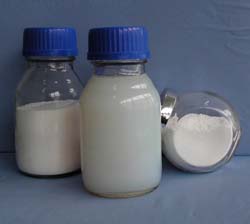
Zinc-Oxide Powder ( White)
View Product →
Nano Zinc Oxide Powder, (White Powder)
View Product →
Zinc oxide nanopowder
View Product →Frequently Asked Questions
Nano Zinc Oxide (nZnO) refers to zinc oxide particles with dimensions in the nanoscale (typically 1-100 nanometers). This small size gives it unique properties like high reactivity, enhanced UV absorption, and antimicrobial effects, which are not as prominent in its bulk form.
The primary challenges include ensuring consistent particle size and quality at an industrial scale, the high cost of precursor materials and energy-intensive synthesis methods, managing environmental and safety regulations, and bridging the gap between laboratory success and commercially viable production technology.
In India, the most promising applications are in cosmetics (sunscreens), healthcare (antibacterial coatings and wound dressings), agriculture (micronutrient fertilizers and antifungal agents), and advanced textiles (UV-protective and antimicrobial fabrics).
The safety of nZnO is a subject of ongoing research. While it is generally considered safe for topical applications like sunscreens, concerns exist regarding its inhalation and environmental impact. Indian regulatory bodies and researchers are actively working to establish clear guidelines for its safe handling, use, and disposal to mitigate potential risks.
Ready to advance your research with high-quality nanomaterials?
Explore our range of Nano Zinc Oxide products or get in touch with our experts to discuss your specific requirements.
Browse Products