
An Introduction to Nano Zinc Oxide's Rising Prominence
In the rapidly advancing world of material science, nanomaterials are carving out a revolutionary niche, and among them, Nano Zinc Oxide (nZnO) stands out as a material of immense potential. For Indian researchers and professionals, understanding the nuances of nZnO is no longer just an academic exercise; it's a gateway to innovation across sectors like medicine, agriculture, textiles, and cosmetics. With its unique properties—including superior UV protection, potent antimicrobial activity, and high catalytic efficiency—nZnO is becoming a cornerstone of next-generation products and technologies.
The Indian government's focus on initiatives like "Make in India" and the "Nano Mission" has created a fertile ground for R&D in nanotechnology. As a result, current research on Nano Zinc Oxide is booming in academic institutions and industries across the country. This guide delves into the core aspects of nZnO, from its production and benefits to the latest market trends and applications, providing a comprehensive overview for anyone looking to harness the power of this incredible nanomaterial.
Key Benefits for Indian Researchers & Innovators
-
Enhanced Physicochemical Properties
The nanoscale size of nZnO unlocks exceptional UV-blocking, antibacterial, and antifungal capabilities, far surpassing traditional bulk zinc oxide. This makes it a prime candidate for high-performance applications.
-
Access to Research Grants & Funding
With the Indian government's "Nano Mission," significant Nano zinc oxide research grant opportunities are available from bodies like DST, CSIR, and DBT, encouraging novel research and development projects.
-
Versatile & Interdisciplinary Applications
The wide range of Nano Zinc Oxide applications allows researchers to collaborate across diverse fields such as biotechnology, environmental science, electronics, and agriculture, fostering innovation.
-
Focus on Green Synthesis
A major trend in Nano Zinc Oxide production methods in India is the focus on green synthesis using plant extracts. This eco-friendly approach reduces cost and environmental impact, aligning with global sustainability goals.
Diverse Applications Across Indian Industries
Cosmetics and Sunscreens
One of the most significant uses of Nano Zinc Oxide is in personal care. Its ability to absorb and scatter UVA and UVB radiation makes it a superior ingredient in broad-spectrum sunscreens. Unlike older formulations, nZnO offers a transparent finish, eliminating the thick white cast, a key factor driving Nano Zinc Oxide market trends in the Indian cosmetics industry.
Biomedical & Healthcare
The antibacterial properties of nZnO are being harnessed for wound dressings, antibacterial coatings on medical devices, and even in dental applications. Researchers are also exploring its potential in targeted drug delivery and as an anti-cancer agent, highlighting the profound effects of Nano Zinc Oxide in medicine.
Textiles and Fabrics
The integration of nZnO into fabrics creates "smart textiles" with UV protection, antimicrobial, and self-cleaning properties. This Nano Zinc Oxide technology is particularly relevant for sportswear, military uniforms, and medical textiles in India.
Agriculture and Food Safety
In agriculture, nZnO is used as a nano-fertilizer to improve nutrient uptake and crop yield. Its antimicrobial properties are also beneficial in food packaging to extend the shelf life of products by preventing microbial growth, addressing a critical need in India's food supply chain.
Market Trends and Research Opportunities in India
The market for Nano Zinc Oxide in India is on a steep upward trajectory, driven by increasing demand from the cosmetics, rubber, and pharmaceutical industries. A key trend is the domestic push for high-purity, locally manufactured nanomaterials to reduce import dependency. This presents a massive opportunity for Indian scientists and entrepreneurs to develop scalable and cost-effective Nano Zinc Oxide production methods.
Research opportunities are abundant. There is a critical need for long-term studies on Nano Zinc Oxide safety and its environmental impact to establish clear regulatory guidelines. Furthermore, exploring novel applications, such as in water purification, sensors, and as a catalyst in chemical industries, remains a fertile area for investigation. For researchers, aligning projects with national priorities like clean energy, healthcare for all, and sustainable agriculture can significantly improve the chances of securing funding and making a real-world impact.
Frequently Asked Questions
Nano Zinc Oxide (nZnO) consists of zinc oxide particles with dimensions in the nanometer range (typically 1-100 nm). This small size gives it unique physicochemical properties not seen in its bulk counterpart, such as enhanced UV absorption, high catalytic activity, and potent antimicrobial effects, making it valuable for a wide range of applications.
Yes, when used topically in approved concentrations, nZnO is considered safe by regulatory bodies worldwide, including in India. The nanoparticles are generally too large to penetrate healthy skin, forming a protective barrier on the surface. It's prized in sunscreens for providing broad-spectrum UV protection with a transparent finish.
Common production methods include precipitation, hydrothermal synthesis, sol-gel method, and vapor-phase synthesis. In India, there is a growing research focus on 'green synthesis' methods, which use plant extracts or microorganisms as reducing and capping agents. These methods are eco-friendly, cost-effective, and align with sustainable development goals.
The future is incredibly promising. Key areas of focus include developing more efficient and green production methods, exploring its use in targeted drug delivery for cancer therapy, creating advanced nano-fertilizers to boost crop yields, and designing smart textiles with self-cleaning and antimicrobial properties. Government initiatives like the 'Nano Mission' are expected to provide significant funding and support for R&D in these fields.
Recommended Products for Your Research
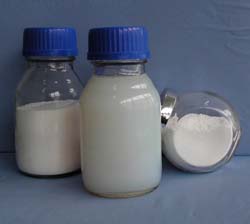
Zinc-Oxide Powder ( White)
View Product →
Nano Zinc Oxide Powder, (White Powder)
View Product →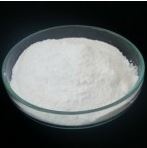
Zinc oxide nanopowder
View Product →Ready to Advance Your Research?
Explore our range of high-purity Nano Zinc Oxide products tailored for cutting-edge research and industrial applications. Get the quality materials you need to drive innovation.
Get a Quote Today