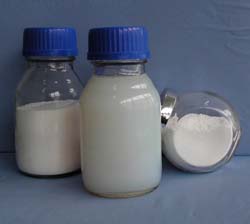
The Dawn of a New Era in Indian Construction
India's construction sector, a cornerstone of its economy, is on the brink of a technological revolution. As the nation pushes forward with ambitious infrastructure projects, from smart cities to extensive highway networks, the demand for high-performance, durable, and sustainable building materials has never been greater. In this quest for innovation, nanotechnology has emerged as a game-changer, and at the forefront is a remarkable material: nano zinc oxide.
Traditionally, cement and concrete have been the bedrock of construction, but they come with inherent limitations in strength, longevity, and environmental impact. Researchers and industry professionals across India are now turning their attention to nano materials in construction to overcome these challenges. The introduction of zinc oxide in cement at the nanoscale is proving to be a pivotal development. By integrating nano zinc oxide for concrete formulations, we are not just reinforcing structures; we are fundamentally redefining their properties and lifespan.
This deep dive explores the multifaceted role of nano zinc oxide, its profound benefits for researchers and the industry, and the burgeoning trends that position it as a key component in the future of Indian infrastructure. We'll examine how this tiny particle is making a massive impact, from enhancing mechanical strength to imparting self-cleaning and anti-bacterial properties to concrete surfaces.
Key Benefits of Nano Zinc Oxide for Researchers and Industry
The unique physicochemical properties of nano zinc oxide unlock a range of advantages when incorporated into cementitious composites. For Indian researchers, it opens new avenues for developing next-generation materials, while for the industry, it offers tangible improvements in quality and performance.
- Enhanced Compressive and Flexural Strength: Nano ZnO particles act as ultra-fine fillers, plugging the microscopic voids within the cement matrix. This pore-filling effect, combined with their ability to accelerate the cement hydration process, creates a denser and more compact microstructure, leading to a significant increase in both compressive and flexural strength.
- Improved Durability and Resistance: One of the primary causes of concrete degradation is the ingress of water and harmful chlorides. The dense matrix formed by nano zinc oxide in cement significantly reduces permeability, making the concrete more resistant to chemical attacks, freeze-thaw cycles, and corrosion of steel reinforcements.
- Antimicrobial and Antifungal Properties: Zinc oxide is well-known for its antimicrobial properties. When used in concrete for buildings like hospitals, food processing plants, or even residential homes, it helps inhibit the growth of bacteria, mold, and fungi on surfaces, contributing to healthier indoor environments.
- UV Radiation Shielding: Nano ZnO is an excellent UV blocker. Incorporating it into paints, coatings, and even the concrete itself can protect structures from UV degradation, preventing discoloration and material breakdown over time, which is particularly beneficial in India's harsh sun.
- Accelerated Setting Time: As a catalyst in the hydration reaction of cement, nano zinc oxide can reduce the initial and final setting times of concrete. This is a significant advantage for projects requiring rapid construction and early strength development.
- Photocatalytic (Self-Cleaning) Activity: Under UV light, nano ZnO particles can break down organic pollutants, dirt, and grime on the concrete surface. This leads to self-cleaning buildings that maintain their aesthetic appeal for longer with reduced maintenance costs.
Industry Applications: Where Nano Zinc Oxide Makes a Difference
High-Performance Concrete (HPC)
For critical infrastructure like bridges, high-rise buildings, and nuclear power plants, the enhanced strength and durability offered by zinc oxide for concrete are invaluable. It allows for the design of more resilient and longer-lasting structures.
Architectural and Decorative Concrete
The self-cleaning and UV-resistant properties are perfect for architectural facades, decorative panels, and monuments. The use of nano zinc oxide ensures that the aesthetic vision remains pristine for years, resisting pollution and weathering.
Smart Coatings and Paints
Beyond concrete, nano ZnO is a critical additive in advanced paints and coatings. It provides antimicrobial, anti-fouling, and UV-protective layers, making it ideal for hospitals, marine applications, and exterior paints.
Repair and Restoration Mortars
In the restoration of heritage structures or repair of damaged concrete, mortars enhanced with nano ZnO offer superior bonding, reduced shrinkage, and improved durability, ensuring the longevity of the repair work.
Pervious Concrete Systems
For sustainable urban drainage systems, nano ZnO can improve the strength and durability of pervious concrete without significantly affecting its porosity, helping to manage stormwater runoff more effectively.
3D-Printed Concrete
The accelerating effect of nano ZnO on setting time is highly beneficial for additive manufacturing in construction. It helps the 3D-printed layers to gain strength quickly, allowing for faster and more stable construction.
India-Specific Trends and Opportunities
The landscape for nano materials in construction in India is fertile and growing. Several factors are driving the adoption and research of nano zinc oxide applications. The "Make in India" initiative and the push for self-reliance are encouraging domestic production and innovation in advanced materials. Indian research institutions are actively publishing studies on the benefits of nano zinc oxide, creating a robust knowledge base for commercial application.
Current zinc oxide industry trends show a clear shift towards value-added, high-purity nano-grade materials. As awareness grows, construction companies are beginning to specify the use of these advanced admixtures to gain a competitive edge in quality and performance. The latest research on nano zinc oxide focuses on optimizing dispersion techniques within the cement matrix and exploring synergistic effects with other nanomaterials like nano-silica and carbon nanotubes. These zinc oxide research trends are paving the way for multifunctional concrete that is not only strong but also intelligent, with potential for self-sensing and self-healing capabilities. For Indian professionals, staying abreast of these developments is key to unlocking new opportunities and driving the industry forward.
Frequently Asked Questions
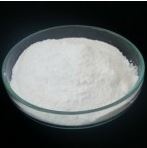
Nano zinc oxide (n-ZnO) is a specialized form of zinc oxide where the particles are sized between 1 and 100 nanometers. This small particle size gives it unique properties, such as high reactivity and UV-blocking capabilities, making it highly valuable in materials science, including construction.
Nano ZnO particles act as a filler for the micro-pores in the cement paste and accelerate the hydration process. This results in a denser, more compact microstructure with reduced porosity, leading to significantly higher compressive and flexural strength in the concrete.
Like all nanomaterials, handling nano zinc oxide requires adherence to safety protocols. While n-ZnO is generally considered safe when embedded within a solid matrix like concrete, appropriate personal protective equipment (PPE), such as masks and gloves, should be used during the mixing phase to prevent inhalation or skin contact with the fine powder.
Research indicates that the optimal dosage of nano zinc oxide in cement is typically between 1% and 3% by weight of cement. Exceeding this amount can sometimes lead to agglomeration of nanoparticles, which may not yield further improvements and could potentially affect performance. The exact percentage depends on the specific application and desired properties.
Ready to Innovate Your Next Project?
Explore our range of high-purity nano zinc oxide and other advanced materials to take your research and construction projects to the next level.
View Related Products