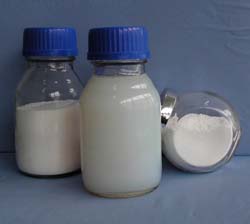
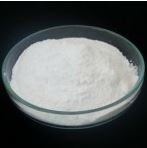
The Dawn of a New Era: Nano Zinc Oxide in India's R&D Landscape
India, with its burgeoning industrial sector and pressing environmental challenges, stands at a critical juncture. The call for sustainable, efficient, and cost-effective solutions has never been louder. In this context, nanotechnology emerges as a powerful ally, and at its forefront is a remarkably versatile material: Nano Zinc Oxide (ZnO). These are not just minuscule particles; they are catalysts for change, promising to redefine processes across various sectors, from wastewater treatment to advanced materials.
For Indian researchers and professionals, understanding the potential of Zinc Oxide Nanoparticles is paramount. The synthesis of Nano Zinc Oxide has evolved, with green chemistry approaches gaining traction, aligning perfectly with India's push for eco-friendly technologies. This blog delves deep into the world of Nano Zinc Oxide, with a special focus on its game-changing role in Advanced Oxidation Processes (AOPs)—a field of immense relevance for tackling India's water pollution crisis.
Why Should Indian Researchers Focus on Nano Zinc Oxide?
The unique properties of Nano Zinc Oxide make it a compelling subject for research and development. Its superiority over bulk ZnO and other materials offers tangible advantages:
- Enhanced Photocatalytic Activity: With a wide bandgap (3.37 eV) and large exciton binding energy, Nano ZnO is an exceptional photocatalyst, efficiently degrading organic pollutants under UV irradiation.
- High Surface Area: The nanoscale dimensions provide an enormous surface area-to-volume ratio, maximizing contact with pollutants and enhancing reaction rates in AOPs.
- Biocompatibility and Safety: Zinc is an essential trace element, and ZnO is generally regarded as safe (GRAS) by the FDA, making it suitable for biomedical and environmental applications with lower toxicity concerns than materials like titanium dioxide.
- Cost-Effectiveness: The synthesis of Nano Zinc Oxide can be achieved through various low-cost methods, making it an economically viable option for large-scale industrial applications in India.
- Antimicrobial Prowess: Zinc Oxide Nanoparticles exhibit strong antimicrobial properties against a broad spectrum of bacteria, a crucial benefit for applications in medicine, food packaging, and coatings.
- UV Blocking Capability: Its ability to absorb UVA and UVB radiation makes it a primary ingredient in sunscreens and UV-protective coatings, a thriving market in India.
Transforming Industries: Key Applications of Zinc Oxide Nanoparticles
The theoretical benefits of Nano Zinc Oxide translate into powerful real-world applications. Here’s how this nanomaterial is poised to make a significant impact across key Indian sectors.

Wastewater Treatment via AOPs
Nano ZnO is a star player in Advanced Oxidation Processes for treating industrial effluents from textile, pharmaceutical, and chemical plants. Its photocatalytic action breaks down stubborn, toxic organic dyes and compounds into harmless substances, directly addressing a major environmental concern in India's industrial hubs.

Cosmetics and Sunscreens
The use of Zinc Oxide in sunscreen is well-established. As nanoparticles, ZnO provides broad-spectrum UV protection without leaving a white residue, a highly desirable trait for the cosmetic market. This application taps into India's rapidly growing personal care industry.

Antimicrobial Coatings
The antimicrobial properties of Nano Zinc Oxide are leveraged in paints, coatings, and food packaging. By inhibiting bacterial growth, it helps create self-sanitizing surfaces in hospitals and public spaces and extends the shelf life of packaged foods, contributing to public health and reducing waste.

Biomedical and Pharmaceutical Fields
In medicine, the applications of Zinc Oxide are expanding. Researchers are exploring its use in drug delivery systems, bio-imaging, and as an anti-cancer agent. Its biocompatibility makes it a promising candidate for next-generation medical treatments developed in India.
India-Specific Trends and Opportunities
The landscape for nanomaterials research in India is fertile. Government initiatives like "Make in India" and the "National Mission on Clean Ganga" create a strong demand for innovative technologies like Nano Zinc Oxide-based AOPs. The synthesis of Nano Zinc Oxide using local, sustainable resources (green synthesis) is a burgeoning research area that aligns with national priorities.
There is immense opportunity for academia-industry collaboration to scale up these technologies. Indian researchers can focus on optimizing Nano Particles Zinc catalysts for specific industrial pollutants, developing hybrid nanomaterials for enhanced efficiency, and exploring solar-light active catalysts to reduce energy costs. The benefits of Nano Zinc Oxide extend beyond just performance; they represent a step towards a circular economy and a cleaner, healthier India.
Frequently Asked Questions
Nano Zinc Oxide (ZnO) refers to zinc oxide particles with dimensions in the nanometer range (typically 1-100 nm). Its importance stems from its unique physicochemical properties, such as a large surface area-to-volume ratio, high catalytic activity, and UV-blocking capabilities, which are significantly enhanced compared to its bulk counterpart. These properties make it invaluable in fields like catalysis, medicine, and environmental remediation.
There are several methods for the synthesis of Nano Zinc Oxide, including co-precipitation, sol-gel, hydrothermal, and green synthesis using plant extracts. The choice of method influences the particle size, morphology, and purity, which in turn affects its application. Green synthesis is gaining popularity in India due to its eco-friendly and cost-effective nature.
Nano Zinc Oxide is an excellent semiconductor photocatalyst. When irradiated with UV light, it generates electron-hole pairs. These charge carriers react with water and oxygen to produce highly reactive oxygen species (ROS) like hydroxyl radicals. These ROS are powerful oxidizing agents that can degrade a wide range of organic pollutants in water into harmless substances like CO2 and H2O, making it highly effective for AOPs in wastewater treatment.
In India, Nano Zinc Oxide has significant applications in wastewater treatment (especially for textile and pharmaceutical effluents), as an antimicrobial agent in paints and coatings, a UV protectant in sunscreens and cosmetics, and as a micronutrient supplement in agriculture to enhance crop yield. Its versatility makes it a key nanomaterial for the 'Make in India' initiative.
High-quality Nano Zinc Oxide for research and industrial applications can be sourced from specialized chemical and nanomaterial suppliers in India. Companies like Hiyka, a Reinste brand, offer a range of well-characterized zinc oxide nanopowders suitable for various applications, ensuring reliability and consistency for your R&D needs.