The Dawn of a Material Revolution in Indian Additive Manufacturing
India's journey in advanced manufacturing is at a thrilling inflection point. With government initiatives like "Make in India" and a burgeoning ecosystem of startups and research institutions, the demand for high-performance materials has never been greater. At the heart of this revolution lies additive manufacturing, or 3D printing, a technology that promises unprecedented design freedom and rapid prototyping. However, the true potential of 3D printing is unlocked not just by the printers, but by the materials they use. This is where Nanotechnology in Zinc Oxide comes into play, offering a quantum leap in material science.
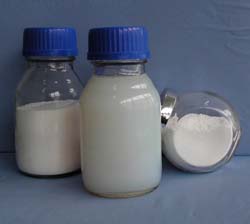
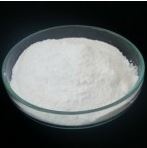
Enter Nano Zinc Oxide (n-ZnO), a versatile nanomaterial that is rapidly gaining attention from Indian researchers and professionals. When incorporated into 3D printing polymers, these Zinc Oxide Nanoparticles act as powerful reinforcing agents, transforming standard plastics into high-performance composites. This blog explores the profound impact of Nano Zinc Oxide for 3D printing applications, detailing its benefits, diverse applications, and the immense opportunities it presents for the Indian R&D landscape.
Why Should Indian Researchers Focus on Nano Zinc Oxide?
For research scholars and industrial R&D teams across India, working with Nanomaterials in Printing offers a competitive edge. The unique Nano Zinc Oxide Properties provide a fertile ground for innovation. Here’s why it’s a game-changer:
- Enhanced Mechanical Strength: The addition of n-ZnO significantly increases the tensile strength and hardness of 3D printed parts, making them more durable and suitable for functional prototypes and end-use products.
- Superior UV Resistance: A key challenge for polymer-based products is degradation under sunlight. Zinc Oxide is a renowned UV blocker. A Nano Zinc Oxide Coating or composite offers exceptional protection, crucial for applications in automotive, aerospace, and outdoor equipment.
- Antimicrobial Properties: The inherent antibacterial nature of Zinc Oxide as a Nanomaterial opens doors for 3D printing medical devices, surgical guides, and even consumer products where hygiene is paramount. This is particularly relevant in a post-pandemic world.
- Improved Thermal Stability: n-ZnO enhances the thermal conductivity and stability of polymers, allowing printed parts to withstand higher temperatures without warping. This is vital for electronics enclosures and components used in high-temperature environments.
- Cost-Effective Innovation: Compared to other advanced additives, n-ZnO provides a cost-effective route to significantly upgrade material properties, aligning perfectly with India's focus on frugal innovation.
Transforming Industries: Key Applications of Zinc Oxide in 3D Printing
The practical Zinc Oxide Applications are vast and span multiple sectors critical to India's economic growth. Here are a few key areas where this technology is making waves:
Biomedical and Healthcare
With its biocompatibility and antimicrobial properties, n-ZnO is ideal for 3D printing custom implants, dental devices, and wound-healing scaffolds. Indian medical research can leverage this to create affordable, patient-specific healthcare solutions.
Electronics and Wearables
The piezoelectric properties of Zinc Oxide Nanoparticles make them suitable for printing sensors and energy-harvesting components. This can fuel innovation in India's burgeoning IoT and wearable technology market.
Aerospace and Defence
Lightweight, strong, and UV-resistant parts are critical in aerospace. Nano Zinc Oxide for 3D Printing can be used to create durable components for drones, satellites, and other defence applications, supporting the Atmanirbhar Bharat initiative.
Industrial Tooling and Coatings
The industrial Zinc Oxide Uses in Industry extend to creating robust jigs, fixtures, and tools. Furthermore, its use in UV-curable resins for 3D printing results in functional parts with protective, hard-wearing surfaces.
The Road Ahead: India-Specific Trends and Opportunities
The convergence of nanotechnology and 3D printing is not just a global trend; it's a national opportunity for India. The Indian government's focus on building domestic manufacturing capabilities creates a perfect storm for adopting materials like Nano Zinc Oxide. Research institutions are increasingly collaborating with industries to translate laboratory innovations into commercial products. The development of specialized 3D printing filaments infused with Zinc Oxide Nanoparticles is a key area of R&D.
Furthermore, as supply chains become more localized, the demand for locally sourced, high-performance materials will skyrocket. Companies that specialize in providing research-grade nanomaterials are pivotal in this ecosystem, enabling scientists and engineers to experiment and innovate without the hurdles of importing. The future will likely see a rise in customized Nanomaterials in Printing, tailored for specific industry needs, from automotive to consumer electronics, all driven by Indian ingenuity.
Frequently Asked Questions
Nano Zinc Oxide (n-ZnO) consists of Zinc Oxide nanoparticles with dimensions typically less than 100 nanometers. This small size gives it unique properties, such as high reactivity, UV-blocking capabilities, and antimicrobial effects, which are not as prominent in its bulk form.
In 3D printing, Nano Zinc Oxide is added to polymer resins or filaments to enhance the final product's properties. It can significantly improve mechanical strength, provide UV resistance for outdoor applications, add antimicrobial properties for medical devices, and improve thermal stability, making the printed objects more durable and functional.
While Zinc Oxide is generally regarded as safe, handling nanoparticles requires precautions. Researchers in India and globally should follow standard lab safety protocols, including using personal protective equipment (PPE) like gloves and masks to avoid inhalation or direct skin contact, and working in well-ventilated areas.
The key properties include high UV absorption, excellent thermal conductivity, piezoelectric characteristics, and strong antimicrobial activity. These make Zinc Oxide Nanoparticles highly valuable in industries ranging from electronics and coatings to healthcare and textiles.
Indian researchers and companies can source high-purity Nano Zinc Oxide and other nanomaterials from specialized suppliers like Hiyka, which provides materials specifically for research and industrial applications, ensuring quality and consistency.
Ready to Innovate?
Take the next step in your research and development. Explore our range of high-purity Nano Zinc Oxide products and start building the future of materials today.
View Related Products