
An Introduction to Nano Zinc Oxide in Modern Materials
In the rapidly advancing field of nanotechnology, few materials have captured the attention of the global scientific community quite like Nano Zinc Oxide (n-ZnO). This versatile nanomaterial, composed of Zinc Oxide Nanoparticles, stands at the forefront of innovation, particularly in the fabrication of advanced nanocomposites. For Indian researchers and professionals, understanding the nuances of nanocomposites fabrication using n-ZnO is not just an academic exercise; it's a gateway to pioneering solutions that can address some of the nation's most pressing industrial and environmental challenges.
Zinc Oxide (ZnO), in its bulk form, has been a staple in industries for decades, known for its use in rubber manufacturing, ceramics, and ointments. However, when scaled down to the nano-level (typically below 100 nanometers), its properties are dramatically enhanced. These Zinc Oxide Nanomaterials exhibit superior UV-blocking capabilities, high catalytic efficiency, and potent antimicrobial properties. This transformation is central to the growing interest in Nanotechnology in Zinc Oxide, as it unlocks a spectrum of applications previously thought impossible.
The integration of these nanoparticles into various polymer matrices results in nanocomposites with significantly improved mechanical strength, thermal stability, and functional characteristics. This article delves into the core of Nano Zinc Oxide based nanocomposites fabrication, exploring the methods, benefits, and burgeoning opportunities this technology presents for India's burgeoning R&D and industrial sectors.
Why Researchers are Turning to Nano Zinc Oxide
The unique properties of Zinc Oxide Nanoparticles offer significant advantages for researchers developing next-generation materials. Here are the key benefits:
-
Enhanced Functional Properties
Integrating n-ZnO imparts exceptional UV-shielding, antimicrobial, and antifungal properties into composite materials, crucial for applications in coatings, textiles, and food packaging.
-
Improved Mechanical and Thermal Stability
The high surface area of Zinc Oxide Nanoparticles ensures strong interfacial bonding with polymer matrices, significantly boosting the tensile strength, toughness, and thermal resistance of the final nanocomposite.
-
Piezoelectric and Semiconductor Properties
These unique electronic properties make n-ZnO composites ideal for developing sensors, actuators, and energy-harvesting devices, opening new frontiers in electronics and smart materials research.
-
Cost-Effectiveness and Abundance
Compared to other nanomaterials like silver or titanium dioxide nanoparticles, Nano Materials Zinc Oxide is relatively inexpensive and abundant, making it a viable option for large-scale industrial production and research in India.
Key Industrial Applications of n-ZnO Nanocomposites
Protective Coatings & Paints
Nano coatings with Zinc Oxide offer superior corrosion resistance, UV protection, and self-cleaning properties. These are vital for the automotive, construction, and marine industries in India, extending the lifespan of infrastructure and assets.
Biomedical and Healthcare
The antimicrobial properties of n-ZnO are leveraged in wound dressings, dental fillings, and medical device coatings to prevent infections. Its biocompatibility also makes it a candidate for drug delivery systems and bio-imaging.
Smart Textiles
Fabrics embedded with Zinc Oxide Nanoparticles gain UV-blocking and antibacterial functionalities. This is a significant value-addition for India's textile industry, creating high-performance apparel for sports, military, and healthcare.
Food Packaging
n-ZnO based nanocomposite films enhance the shelf life of packaged food by preventing microbial growth and protecting against UV degradation. This addresses a critical need in India's food supply chain by reducing spoilage.
Electronics and Sensors
The semiconductor and piezoelectric properties are utilized in creating gas sensors, biosensors, and transparent conductive films for solar cells and displays, aligning with India's push in domestic electronics manufacturing.
Water Purification
Nanotechnology Innovations Zinc Oxide research shows its photocatalytic ability to degrade organic pollutants and kill bacteria makes it a promising material for developing low-cost, efficient water purification systems for communities across India.
Opportunities and Future Trends in India
The landscape for Nanotechnology in Zinc Oxide is particularly fertile in India. With government initiatives like 'Make in India' and 'Atmanirbhar Bharat' encouraging domestic innovation, the demand for advanced materials is at an all-time high. Indian research institutions and startups are increasingly focusing on the scalable fabrication of nanocomposites to cater to local and global markets. The focus is shifting from theoretical research to practical, industry-ready solutions.
A significant trend is the development of green synthesis methods for producing Zinc Oxide Nanoparticles using plant extracts, which is more sustainable and cost-effective. This aligns with global environmental goals and offers a competitive edge. Furthermore, the application of Nano Zinc Oxide in agriculture, particularly in nano-fertilizers and pesticides, is an emerging area with immense potential to boost crop yield and reduce the environmental impact of traditional farming practices in India.
The convergence of AI and materials science is also set to accelerate the discovery of new Zinc Oxide Applications. Machine learning models can predict the properties of novel nanocomposites, drastically reducing the time and cost of R&D. For Indian professionals, staying abreast of these Nanotechnology Innovations Zinc Oxide is crucial for harnessing the full potential of these remarkable nanomaterials.
Frequently Asked Questions (FAQ)
Nano Zinc Oxide's unique combination of properties, including high surface area, UV-blocking capabilities, piezoelectricity, and antimicrobial activity, makes it an excellent nanofiller. These properties enhance the mechanical, thermal, and functional characteristics of the polymer matrix, creating high-performance nanocomposites.
In India, solution casting and in-situ polymerization are widely adopted methods. Solution casting is favored for its simplicity and scalability in lab settings, while in-situ polymerization is used for creating strong interfacial bonding, crucial for industrial applications requiring robust materials.
Yes, like all nanomaterials, handling Zinc Oxide Nanoparticles requires safety precautions. Inhalation is the primary concern, so working in well-ventilated areas or using fume hoods, along with wearing personal protective equipment (PPE) like gloves and masks, is essential to minimize exposure risks.
Nano Zinc Oxide is a key material in advancing domestic manufacturing in sectors like electronics, healthcare, and textiles. By enabling the production of high-performance, value-added products locally, it reduces import dependency and fosters innovation, aligning perfectly with the goals of the 'Make in India' initiative.
Related Products
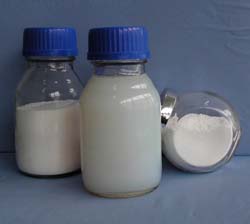
Zinc-Oxide Powder ( White)
View Product
Nano Zinc Oxide Powder, (White Powder)
View Product
Zinc oxide nanopowder
View ProductReady to Innovate with Nano Zinc Oxide?
Whether you're a researcher, engineer, or product developer, we have the high-purity Nano Zinc Oxide materials you need to bring your project to life. Contact us for custom quotes and expert consultation.
Contact Us Today