
An Introduction to Nano Zinc Oxide: The Unseen Giant
In the realm of materials science, few substances have captured the imagination of researchers and industrialists quite like nano zinc oxide (n-ZnO). This versatile material, composed of zinc oxide particles smaller than 100 nanometers, exhibits a fascinating array of properties not seen in its bulk counterpart. For the burgeoning research and development (R&D) landscape in India, nano zinc oxide represents a gateway to innovation. Its unique characteristics—superior UV-blocking capabilities, potent antimicrobial effects, and high catalytic activity—make it a cornerstone material for next-generation products.
From the bustling labs of academic institutions to the production floors of high-tech industries, the demand for high-purity nano zinc oxide powder is surging. Indian scientists are leveraging it to create more effective sunscreens, develop self-cleaning surfaces, and even enhance agricultural yields. This article delves into the diverse world of nano zinc oxide applications, exploring its benefits for researchers, its transformative impact on various industries, and the promising market trends shaping its future in India.
Why Researchers are Turning to Nano Zinc Oxide
The unique properties of nano zinc oxide at the quantum scale offer a powerful toolkit for researchers. Here are some of the key benefits driving its adoption in R&D:
- Enhanced UV Absorption: Its small particle size allows for broad-spectrum protection against both UVA and UVB rays, making it a primary subject in dermatological and materials research for creating transparent, highly effective nano zinc oxide sunscreen formulations.
- Potent Antimicrobial Activity: Nano zinc oxide generates reactive oxygen species (ROS) that are highly effective against a wide range of bacteria and fungi. This has opened up research in antimicrobial coatings, medical textiles, and food packaging.
- High Surface Area-to-Volume Ratio: This intrinsic property of nanoparticles leads to superior catalytic efficiency. Researchers are exploring its use in photocatalysis for water purification and in chemical synthesis as a low-cost, effective catalyst.
- Biocompatibility and Safety: When used topically, nano zinc oxide is considered safe and non-toxic, making it a prime candidate for biomedical and nano zinc oxide for skincare research, including wound healing dressings and bio-imaging.
Key Industry Applications of Nano Zinc Oxide
Cosmetics and Skincare
This is the most dominant market for nano zinc oxide. Its use in nano zinc oxide in cosmetics, especially sunscreens, is revolutionary. Unlike older formulations, it provides transparent, lightweight protection without the chalky white residue. Its anti-inflammatory and antimicrobial properties also make it a valuable ingredient in acne treatments, mineral makeup, and creams for sensitive skin.
Smart Textiles
The Indian textile industry is exploring nano zinc oxide to create "smart" fabrics. By embedding these nanoparticles into fibers, manufacturers can produce clothing with built-in UV protection, antimicrobial properties to prevent odor, and even self-cleaning capabilities. This is particularly relevant for sportswear, medical garments, and military apparel.
Rubber and Plastics
As an additive, nano zinc oxide significantly improves the properties of rubber and plastics. It enhances thermal conductivity, increases mechanical strength, and provides UV resistance, preventing materials from degrading in sunlight. This extends the lifespan of products like tires, hoses, and outdoor plastic components.
Paints and Coatings
The nano zinc oxide powder uses extend to the paints industry where it acts as a powerful fungicide and UV stabilizer. Coatings formulated with n-ZnO are more durable and resistant to mold, mildew, and fading. This is critical for exterior paints in India's diverse and often humid climate.
Agriculture
A growing area of research is the use of nano zinc oxide in agriculture. As a micronutrient (zinc is essential for plant growth), it can be used in nano-fertilizers for more efficient delivery to crops. Its antifungal properties also show promise in developing novel, eco-friendly pesticides to protect against plant diseases.
Electronics
Nano zinc oxide is a wide-bandgap semiconductor. This property makes it suitable for use in electronic devices like sensors, varistors, and transparent electrodes for solar cells and displays. Indian researchers are actively exploring its potential in low-cost, high-performance electronic components.
Opportunities and Market Trends in India
The nano zinc oxide market trends in India are on a steep upward trajectory. Driven by the "Make in India" initiative and a growing focus on high-tech manufacturing, the demand for advanced materials is booming. The cosmetics and personal care industry remains the largest consumer, with a rising awareness among Indian consumers about the benefits of mineral-based sunscreens. This has led to a surge in demand for nano zinc oxide for skincare products.
Furthermore, government support for nanotechnology research is creating a fertile ground for innovation. Reliable nano zinc oxide suppliers are crucial to this ecosystem, providing researchers and industries with the high-purity materials needed for development. The conversation around nano zinc oxide safety has also matured, with regulatory bodies and research institutions establishing guidelines for its responsible use, boosting industry confidence.
Looking ahead, the applications in antimicrobial coatings for public health infrastructure and in agriculture to enhance food security are expected to be significant growth areas. As Indian industries continue to climb the value chain, the strategic importance of versatile nanomaterials like nano zinc oxide will only increase.
Frequently Asked Questions
Nano zinc oxide is widely used in cosmetics and skincare, particularly in sunscreens for its broad-spectrum UV protection. It's also utilized in antibacterial coatings, textiles, rubber manufacturing, and as a catalyst in chemical processes due to its unique physical and chemical properties at the nanoscale.
Yes, extensive research has shown that nano zinc oxide is safe for topical use in skincare and sunscreens. The nanoparticles are generally considered too large to penetrate the outer layer of the skin (stratum corneum), meaning they do not enter the bloodstream. They provide effective UV protection by forming a physical barrier on the skin's surface.
The main difference is particle size. Nano zinc oxide consists of particles smaller than 100 nanometers. This smaller size provides better transparency on the skin, avoiding the thick white cast associated with larger zinc oxide particles, while offering superior UV-blocking efficiency and a larger surface area for antimicrobial activity.
High-quality nano zinc oxide for research and industrial applications can be sourced from specialized chemical suppliers in India. Companies like Hiyka, a Reinste brand, offer a range of nano materials, including various grades of nano zinc oxide powder, ensuring purity and consistency for your specific needs.
Recommended Products
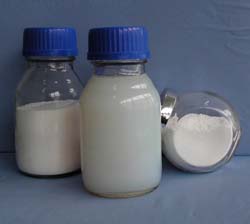
Zinc-Oxide Powder ( White)
View Product →
Nano Zinc Oxide Powder, (White Powder)
View Product →
Zinc oxide nanopowder
View Product →Ready to Innovate with Nano Zinc Oxide?
Advance your research or product development with our high-purity nano zinc oxide powders. Get in touch with our experts today.
Contact Us