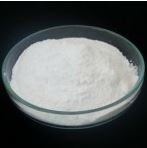
The Dawn of a New Material Era: An Introduction to Nano Zinc Oxide
In the dynamic world of materials science, few substances have generated as much excitement as nano zinc oxide. These minuscule particles, often measuring less than 100 nanometers, are punching well above their weight, promising to redefine industries from electronics to healthcare. For Indian researchers and professionals, understanding the unique nano zinc oxide properties is not just an academic exercise; it's a gateway to innovation and a significant stake in the global nanomaterials market.
Zinc oxide (ZnO) in its bulk form is a familiar compound, widely used in everything from rubber manufacturing to ointments. However, when engineered at the nanoscale, its properties transform dramatically. Zinc oxide nanoparticles exhibit a wide bandgap, high electron mobility, and exceptional UV-blocking capabilities, making them a "wonder material" for advanced applications. One of the most promising of these is the development of transparent conductive films (TCFs)—a critical component in modern touch screens, flexible displays, and solar cells. As India pushes forward with initiatives like "Make in India" and the National Mission on Nanoscience and Nanotechnology, the role of materials like nano zinc oxide becomes increasingly vital.
Why Indian Researchers Should Champion Nano Zinc Oxide
For the vibrant R&D community in India, working with nano zinc oxide offers a plethora of advantages. It's a field ripe with opportunity, offering a chance to develop indigenous, cutting-edge technologies. Here are some key benefits:
- Cost-Effective Alternative: Nano ZnO presents a more abundant and less expensive alternative to Indium Tin Oxide (ITO), the current industry standard for TCFs. This is crucial for making high-tech devices more affordable and accessible in the Indian market.
- Versatility in Synthesis: Zinc oxide nanoparticles can be synthesized through various methods—such as sol-gel, hydrothermal, and chemical vapor deposition—allowing researchers to tailor their properties for specific zinc oxide applications.
- Abundant and Eco-Friendly: Zinc is an abundant element, and many synthesis routes for nano ZnO are environmentally benign. This aligns perfectly with the global push for sustainable technology and green manufacturing.
- Vast Research Potential: The field is far from saturated. There are immense opportunities to explore doping techniques (e.g., with aluminum or gallium) to enhance conductivity, develop novel nano coatings, and investigate its use in next-generation sensors and piezoelectric devices.
Beyond the Lab: Industry-Defining Applications
The transition from laboratory research to industrial application is where the true potential of nano zinc oxide is realized. Its diverse properties unlock innovations across multiple sectors.
Transparent Conductive Films
This is the flagship application. Nano zinc oxide films provide the perfect blend of optical transparency and electrical conductivity required for touch panels, LCDs, OLEDs, and thin-film solar cells. Their flexibility also makes them ideal for the burgeoning field of wearable electronics.
Skincare & UV Protection
One of the most widespread zinc oxide uses is in sunscreens. As nanoparticles, ZnO provides broad-spectrum UV protection without the chalky white residue of its bulk counterpart. This has revolutionized the cosmetics industry, leading to more effective and aesthetically pleasing skincare products.
Advanced Nano Coatings
The antimicrobial and UV-resistant properties of nano ZnO make it a powerful additive for paints and coatings. These nano coatings can protect surfaces from microbial growth, degradation from sunlight, and corrosion, extending the life of materials in India's diverse and often harsh climate.
Sensors and Catalysts
Due to their high surface-area-to-volume ratio, zinc oxide nanoparticles are highly sensitive to changes in their chemical environment. This makes them excellent candidates for gas sensors (detecting pollutants) and as catalysts in various chemical processes, contributing to both industrial efficiency and environmental monitoring.
The Indian Nanomaterials Market: Trends and Opportunities
The nanomaterials market in India is on an upward trajectory, driven by government support and increasing private sector investment. For nano zinc oxide, the opportunities are particularly bright. The domestic demand for consumer electronics, solar panels, and high-quality cosmetics is exploding. Indian companies and research institutions are perfectly poised to meet this demand with locally developed technologies.
A key trend is the focus on value-added products. Instead of just manufacturing raw nanoparticles, the industry is moving towards creating functional materials like pre-dispersed nano ZnO for nano coatings or ready-to-use inks for printing transparent conductive films. This shift requires a deep understanding of nano zinc oxide properties and how to manipulate them. Furthermore, the application of nanotechnology in cosmetics is a rapidly growing segment, with consumers demanding safer and more effective products. Indian researchers who can innovate in formulating stable, non-agglomerating nano zinc oxide dispersions for skincare will find a receptive and lucrative market.
Frequently Asked Questions
Nano zinc oxide (ZnO) exhibits several remarkable properties, including a wide bandgap (around 3.37 eV), high electron mobility, strong UV absorption, piezoelectricity, and biocompatibility. These unique nano zinc oxide properties make it suitable for a vast range of applications, from electronics to skincare.
Nano zinc oxide is an excellent, cost-effective alternative to Indium Tin Oxide (ITO) for TCFs. Its high transparency in the visible spectrum and good electrical conductivity, which can be enhanced through doping, make it ideal for touch screens, flexible displays, and solar cells.
Yes, nano zinc oxide is widely considered safe for topical use and is a key ingredient in many sunscreens and cosmetic products. Its nanoparticles are highly effective at blocking harmful UVA and UVB radiation without leaving a white cast on the skin, a significant advantage in nanotechnology in cosmetics.
The Indian nanomaterials market faces challenges such as scaling up production from lab to industrial levels, ensuring consistent quality control of nanoparticles, and navigating a complex regulatory landscape. However, government initiatives like 'Make in India' and a growing R&D ecosystem are actively addressing these hurdles.