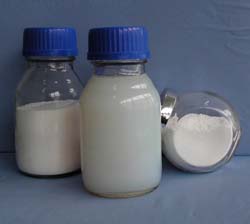
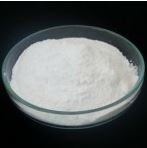
Bridging the Gap: Nano Zinc Oxide and India's Tech Future
In the dynamic landscape of Indian research and development, the journey from a laboratory breakthrough to a commercially viable product is fraught with challenges. This process, known as technology transfer, is the critical bridge between innovation and industry. For Indian researchers and professionals, identifying materials with vast, cross-sectoral potential is key to crossing this bridge successfully. Enter Nano Zinc Oxide (n-ZnO), a versatile nanomaterial poised to become a cornerstone of technological advancement in India.
Zinc Oxide (ZnO), a compound long used in everything from rubber to ceramics, takes on extraordinary properties when engineered at the nanoscale. These Zinc Oxide nanomaterials exhibit enhanced UV-blocking, antimicrobial, and piezoelectric capabilities, making them highly sought after. The unique Nano Zinc Oxide properties are not just a scientific curiosity; they represent tangible solutions to real-world problems. From creating self-cleaning textiles and advanced sunscreens to developing next-generation sensors and biomedical devices, the applications of Nano Zinc Oxide are transforming industries. This blog delves into the world of n-ZnO, exploring its benefits for Indian researchers and highlighting the immense opportunities for technology transfer in a nation hungry for innovation.
Why Researchers in India Should Focus on Nano Zinc Oxide
For the Indian scientific community, focusing on Nano Zinc Oxide is a strategic move. The material's inherent advantages align perfectly with national priorities like 'Make in India' and 'Aatmanirbhar Bharat'. Here’s why n-ZnO is a goldmine for researchers:
- Cost-Effectiveness & Abundance: Zinc is a relatively abundant and affordable element, making the synthesis of Zinc Oxide nanomaterials economically viable for both academic research and industrial scale-up. This lowers the barrier to entry for startups and SMEs.
- Versatile Synthesis Methods: n-ZnO can be synthesized through various methods—from co-precipitation to sol-gel and hydrothermal techniques. This flexibility allows researchers to tailor particle size, shape, and properties for specific Nano Zinc Oxide applications, fostering innovation.
- Biocompatibility & Safety: ZnO is classified as "Generally Recognized As Safe" (GRAS) by the FDA. This biocompatibility opens up extensive research avenues in biomedical fields, including drug delivery, bio-imaging, and antibacterial treatments, which are high-impact areas in Indian healthcare.
- Exceptional Properties for High-Tech Applications: The material's wide bandgap (3.37 eV) and large exciton binding energy (60 meV) make it ideal for electronics and optoelectronics. This creates opportunities to develop indigenous technologies for UV lasers, LEDs, and transparent electronics, reducing reliance on imports.
- High Relevance to Key Indian Industries: The benefits of Nano Zinc Oxide directly cater to major sectors of the Indian economy. Its UV protection properties are vital for the textile and paint industries, while its antimicrobial nature is crucial for water purification and healthcare products.
From Lab to Life: Industrial Applications of Nano Zinc Oxide
The true test of a material's potential lies in its real-world applications. Zinc Oxide nanotechnology is already making significant inroads into various industries. Here are some of the most promising areas for technology transfer in India:
Electronics & Sensors
The unique piezoelectric and semiconducting properties of Nano Zinc Oxide in electronics are remarkable. It's used in transparent electrodes for solar cells and displays, gas sensors to detect pollutants, and as a key component in varistors protecting circuits from voltage surges.
Coatings and UV Protection
Nano Zinc Oxide coatings offer superior UV protection. When added to paints, plastics, and textiles, n-ZnO particles absorb harmful UV radiation, preventing degradation and fading. This is crucial for India's high-sunlight environment. Its use in sunscreens is already widespread due to its broad-spectrum UVA/UVB protection.
Biomedical & Healthcare
The antibacterial and antifungal properties of n-ZnO make it a valuable additive in medical textiles, wound dressings, and dental cements. Researchers are also exploring its potential in cancer therapy and bio-imaging, showcasing the diverse uses of Nano Zinc Oxide in medicine.
Smart Textiles
Incorporating n-ZnO into fabrics creates textiles with built-in UV protection, antimicrobial, and self-cleaning properties. This technology is highly relevant for sportswear, military uniforms, and medical apparel in India.
Agriculture
Zinc is an essential micronutrient for plant growth. Nano-fertilizers containing n-ZnO offer controlled release and better absorption, improving crop yields. Its antifungal properties also help in developing novel pesticides, supporting India's agricultural sector.
Rubber & Plastics
As a vulcanization activator, n-ZnO improves the strength, elasticity, and thermal resistance of rubber. Its smaller particle size provides a larger surface area, enhancing performance at lower concentrations compared to conventional ZnO.
Opportunities and Future Trends in India
The market for Zinc Oxide nanomaterials in India is on an upward trajectory. Government initiatives promoting nanotechnology and advanced manufacturing are creating a fertile ground for R&D and commercialization. The focus is shifting towards green synthesis methods for n-ZnO, using plant extracts and microorganisms to create nanoparticles in an eco-friendly way. This aligns with global sustainability goals and opens new avenues for green technology transfer.
Furthermore, the demand for high-performance materials in sectors like electric vehicles (for thermal management in batteries), water purification (as a photocatalyst), and cosmetics is surging. Indian researchers who specialize in tailoring Nano Zinc Oxide properties for these specific, high-growth applications will find themselves at the forefront of innovation. Collaboration between academic institutions and industry is crucial to capitalize on these trends, ensuring that laboratory research translates into market-ready products that can compete globally. The future of Nano Zinc Oxide for technology transfer applications is not just promising; it's already unfolding.
Frequently Asked Questions
Nano Zinc Oxide (n-ZnO) consists of zinc oxide particles with dimensions in the nanometer range (typically 1-100 nm). This small size gives it unique chemical, physical, and optical properties compared to its bulk counterpart, making it highly valuable in various technological applications.
Its versatility allows it to be a platform technology applicable across multiple Indian industries like textiles, electronics, pharmaceuticals, and agriculture. This wide applicability makes it an ideal candidate for technology transfer from research labs to commercial production, driving innovation and economic growth.
Key applications include UV protection in sunscreens and coatings, antibacterial agents in textiles and medical supplies, transparent conductors in electronics, and as a catalyst in chemical processes. Its use in rubber manufacturing and as a micronutrient in fertilizers is also significant.
Nano Zinc Oxide is generally recognized as safe (GRAS) by the FDA for use in sunscreens and food contact materials. However, like all nanomaterials, its safety depends on factors like particle size, concentration, and exposure route. Research is ongoing to fully understand its long-term environmental and health impact, and handling should be done according to safety guidelines.