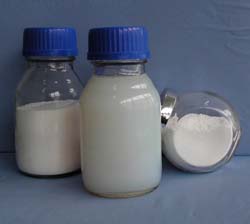
The Nanoscale Revolution: Understanding Nano Zinc Oxide's Impact in India
In the bustling landscape of Indian research and development, a silent revolution is underway, powered by materials at the nanoscale. Among these, Nano Zinc Oxide (ZnO) is emerging as a frontrunner, a versatile material poised to redefine industries from healthcare to electronics. For Indian researchers, scientists, and professionals, understanding the nuances of Zinc Oxide Nanoparticles is no longer just an academic exercise; it's a gateway to innovation, sustainable solutions, and global competitiveness. This guide delves into the world of Nano Zinc Oxide, offering a comprehensive overview tailored for the Indian R&D ecosystem, and explores how to effectively communicate this cutting-edge research in academic conferences and scientific presentations.
Zinc Oxide, in its bulk form, has been a household name for decades, primarily known for its use in ointments and sunscreens. However, when engineered down to the nanoscale (typically below 100 nanometers), its properties transform dramatically. These Zinc Oxide Nanoparticles exhibit enhanced UV-blocking capabilities, superior antimicrobial activity, and unique semiconductor characteristics. This surge in performance has catapulted Nano Zinc Oxide into the spotlight of nanotechnology research, making it a primary keyword in labs and symposiums across the country. The growing Zinc Oxide market growth is a testament to its expanding utility, and for India, a nation with a burgeoning manufacturing and tech sector, the opportunities are immense.
Why Researchers are Turning to Nano Zinc Oxide: Key Benefits
The scientific community's fascination with Nano Zinc Oxide isn't unfounded. It offers a compelling combination of properties that make it an ideal candidate for a wide array of research projects. Here are some of the key benefits driving its adoption in Indian labs:
- Exceptional UV Protection: Nano Zinc Oxide provides broad-spectrum protection against both UVA and UVB rays more effectively than its bulk counterpart, making it a cornerstone of modern cosmetic and dermatological research. This is particularly relevant in a sun-drenched country like India.
- Potent Antimicrobial Properties: The high surface-area-to-volume ratio of ZnO nanoparticles allows them to generate reactive oxygen species (ROS), which are highly effective against a wide range of bacteria, fungi, and viruses. This opens doors for applications in medical textiles, food packaging, and water purification.
- Biocompatibility and Safety: Generally recognized as safe (GRAS) by the FDA, Zinc Oxide is biocompatible, making it suitable for biomedical applications like drug delivery, bio-imaging, and wound healing dressings. This safety profile is crucial for gaining regulatory approval and public trust.
- Cost-Effectiveness and Abundance: Zinc is an abundant and relatively inexpensive element. The synthesis methods for creating Nano Zinc Oxide are scalable and can be made cost-effective, aligning with India’s focus on frugal innovation.
- Versatile Semiconductor Properties: With a wide bandgap and high electron mobility, Nano ZnO is a promising material for next-generation electronics, including transparent electrodes in solar cells, UV lasers, and gas sensors. This versatility is a goldmine for interdisciplinary scientific presentations.
From Lab to Market: Industrial Applications of Zinc Oxide
Cosmetics and Sunscreens
The most prominent application of Zinc Oxide in sunscreen is due to its superior ability to scatter and absorb UV radiation. Unlike chemical sunscreens, it forms a physical barrier without irritating the skin, making it a revolutionary ingredient in skincare.
Rubber and Plastics Industry
As a crucial activator in the vulcanization of rubber, Nano Zinc Oxide improves heat resistance, durability, and UV stability. Its use leads to higher quality tires, seals, and other rubber products, a significant aspect of industrial uses of Zinc Oxide.
Biomedical and Healthcare
The antimicrobial and anti-inflammatory Nano Zinc Oxide benefits are leveraged in wound dressings, dental cements, and antibacterial coatings for medical devices. Its role in targeted drug delivery is a hot topic in current nanotechnology research.
Paints and Coatings
Incorporating ZnO nanoparticles into paints provides UV protection, preventing fading and degradation. It also imparts fungistatic properties, making the coatings resistant to mildew and mold, crucial for India's humid climates.
Electronics and Sensors
The semiconductor properties of nanotechnology Zinc Oxide are utilized in creating highly sensitive gas sensors, varistors for surge protection, and as a transparent conducting oxide in solar panels and flexible electronics.
Agriculture
As a nano-fertilizer, it provides essential micronutrients (zinc) to plants more efficiently. Its antifungal properties also help in protecting crops from diseases, contributing to food security—a key area of focus for Indian R&D.
The Indian Horizon: Opportunities and Future Trends
The landscape for nanotechnology research in India is fertile and rapidly expanding. The government's focus on initiatives like 'Make in India' and the 'National Mission on Nanoscience and Nanotechnology' provides a significant tailwind for R&D in materials like Nano Zinc Oxide. The projected Zinc Oxide market growth in the Asia-Pacific region, with India as a key player, underscores the commercial viability of this research. Professionals and academics presenting at Nano Zinc Oxide academic conference presentations are increasingly focusing on sustainable synthesis methods (green synthesis) and applications tailored to solve uniquely Indian challenges, such as affordable water purification and advanced agricultural solutions.
One of the most exciting trends is the integration of Nano Zinc Oxide with other advanced materials to create hybrid composites. For instance, ZnO-graphene oxide composites are being explored for high-performance supercapacitors and environmental remediation. Furthermore, the application of Zinc Oxide Nanoparticles in smart textiles that offer UV protection and self-cleaning capabilities is a burgeoning market. Researchers who can bridge the gap between laboratory findings and scalable industrial production will be at the forefront of this revolution. Crafting compelling scientific presentations that not only showcase robust data but also highlight a clear path to commercialization is key to attracting funding and industry partnerships.
Frequently Asked Questions
What is Nano Zinc Oxide?
Nano Zinc Oxide (ZnO) consists of zinc oxide particles with dimensions in the nanometer range (typically under 100 nm). This small size gives it unique chemical and physical properties compared to its bulk counterpart, such as increased reactivity, UV-blocking efficiency, and antimicrobial activity.
Why is Nano Zinc Oxide important for Indian researchers?
For Indian researchers, Nano Zinc Oxide is a versatile and cost-effective material with vast potential in key sectors like healthcare (antimicrobial agents, bio-imaging), agriculture (nano-fertilizers), and renewable energy (solar cells). Its local availability and diverse applications align perfectly with national initiatives like 'Make in India' and the drive for sustainable technology.
What are the primary applications of Zinc Oxide Nanoparticles in industry?
The primary industrial uses of Zinc Oxide Nanoparticles include: UV protection in sunscreens and cosmetics, as a vulcanizing agent in the rubber industry, as an antimicrobial coating in textiles and food packaging, and in electronics as a semiconductor material for sensors and LEDs.
Is Nano Zinc Oxide safe for use in sunscreens?
Yes, regulatory bodies like the FDA and the European Commission have deemed Nano Zinc Oxide safe for use in sunscreens. Extensive studies have shown that the nanoparticles do not penetrate healthy skin to any significant extent. They form a protective barrier on the skin's surface that effectively blocks harmful UVA and UVB radiation.
How can I effectively present my research on Nano Zinc Oxide at academic conferences?
To deliver impactful scientific presentations, focus on a clear narrative: start with the problem your research addresses, explain your methodology using high-quality visuals (SEM/TEM images), present your data clearly, and conclude with the significance of your findings. Emphasize the novelty and potential applications, especially those relevant to the Indian context, to engage your audience effectively.