An Introduction to a Nanotechnology Marvel
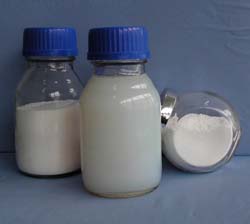
In the burgeoning field of nanotechnology, few materials command as much attention as Nano Zinc Oxide (n-ZnO). This versatile inorganic compound, composed of zinc oxide particles smaller than 100 nanometers, is no longer confined to the laboratories of niche R&D departments. For Indian researchers and professionals, it represents a paradigm shift, offering tangible solutions to some of the nation's most pressing challenges in agriculture, healthcare, and manufacturing. Its unique quantum size effects give rise to extraordinary properties—superior UV-blocking capabilities, potent antimicrobial action, and high catalytic efficiency—making it a subject of intense research and commercial interest across the subcontinent.
The relevance of Nano Zinc Oxide to Indian industry and research is multifaceted. In a nation where agriculture forms the backbone of the economy, the potential of n-ZnO as a nano-fertilizer and antifungal agent addresses critical needs for food security and crop protection. Simultaneously, its applications in cosmetics align perfectly with India's rapidly growing personal care market. This article delves into the specific benefits, diverse applications, and emerging market trends of Nano Zinc Oxide, providing a comprehensive guide for Indian innovators poised to harness its power.
Key Benefits for Researchers and Innovators
The unique physicochemical properties of Nano Zinc Oxide translate into a host of advantages. For the Indian research community, these benefits open up new avenues for innovation and problem-solving:
- Enhanced Bioavailability in Agriculture: Due to their small size, n-ZnO particles are more readily absorbed by plants. This makes them an incredibly efficient delivery mechanism for the essential micronutrient zinc, leading to improved seed germination, robust plant growth, and ultimately, higher crop yields. The effects of Nano Zinc Oxide on plants are a major focus of agricultural R&D in India.
- Superior UV Protection: Nano Zinc Oxide is a broad-spectrum UV absorber, blocking both UVA and UVB rays. Unlike its bulk counterpart, it appears transparent on the skin, making it a highly desirable ingredient in modern sunscreens and cosmetic formulations.
- Potent Antimicrobial Activity: n-ZnO particles can generate reactive oxygen species (ROS) that are lethal to a wide range of bacteria and fungi. This property is being leveraged in applications from food packaging and antibacterial textiles to medical coatings and water purification systems.
- High Catalytic Efficiency: The large surface area of n-ZnO makes it an excellent catalyst in various chemical reactions, including the degradation of industrial pollutants. This is particularly relevant for developing sustainable wastewater treatment solutions in India.
- Semiconductor Properties: Its wide bandgap and high electron mobility make n-ZnO a promising material for use in electronics, including sensors, transistors, and transparent electrodes for solar cells and displays.
Industry Applications Across the Indian Landscape
Nano Zinc Oxide in Agriculture
As a potent nano-fertilizer, n-ZnO addresses widespread zinc deficiency in Indian soils. It boosts crop resilience against environmental stress and pathogens. Its use as a fungicide and bactericide offers an eco-friendly alternative to conventional chemical pesticides, aligning with the push for sustainable farming practices.
Cosmetics and Personal Care
The Indian cosmetics market is booming, and n-ZnO is at the forefront. It is the primary active ingredient in mineral-based sunscreens, offering safe and effective UV protection without the white cast of older formulations. Its antimicrobial properties also make it useful in anti-acne creams and deodorants.
Smart Textiles
Incorporating n-ZnO into fabrics creates textiles with advanced functionalities. These include UV-protective clothing, antibacterial medical garments to prevent hospital-acquired infections, and self-cleaning fabrics. This sector holds immense potential for India's large textile industry.
Environmental Remediation
The photocatalytic properties of Nano Zinc Oxide are harnessed to break down organic pollutants and dyes from industrial wastewater. This provides a cost-effective and efficient method for water purification, a critical need for industrial zones across India.
Opportunities and Market Trends in India
The Nano Zinc Oxide market in India is on a steep upward trajectory, fueled by both government initiatives and private sector demand. The "Make in India" campaign is encouraging domestic production of advanced materials, reducing reliance on imports and fostering a local R&D ecosystem. Academic institutions and national laboratories are actively researching the synthesis, safety, and application of n-ZnO, creating a skilled workforce and a pipeline of innovation.
Key market trends indicate a surge in demand from the agriculture and cosmetics sectors. As awareness about soil health grows, the market for nano-fertilizers is expected to expand significantly. Similarly, the demand for safe, mineral-based sunscreens and personal care products is driving adoption in the cosmetics industry. While there are ongoing discussions about Nano Zinc Oxide toxicity and safety, regulatory bodies are working with researchers to establish clear guidelines, ensuring that the growth of this sector is both rapid and responsible. The future points towards more sophisticated applications, including biosensors, targeted drug delivery, and advanced electronics, solidifying India's position on the global nanotechnology map.
Frequently Asked Questions
Nano Zinc Oxide (n-ZnO) consists of zinc oxide particles with dimensions typically less than 100 nanometers. This small size gives it a massive surface-area-to-volume ratio, leading to unique properties like enhanced UV absorption, high catalytic activity, and potent antimicrobial effects, which are not as prominent in its bulk form.
When used responsibly and in recommended concentrations, Nano Zinc Oxide is considered safe and highly beneficial for agriculture. It acts as a micronutrient source (zinc is essential for plants) and can protect against fungal pathogens. However, Indian researchers are actively studying its long-term ecological impact to establish comprehensive safety guidelines for its widespread use.
The primary difference lies in particle size. Nano Zinc Oxide's sub-100nm particles provide a significantly larger surface area, leading to greater reactivity and novel physical properties. For example, in sunscreens, n-ZnO offers transparent, broad-spectrum UV protection, whereas bulk ZnO is opaque and white. In agriculture, the nano form allows for much more efficient absorption by plants.
The Indian market for Nano Zinc Oxide is driven by the growing demand in agriculture (nano-fertilizers), cosmetics (UV protection), and textiles (antibacterial fabrics). There is a strong push from government initiatives like 'Make in India' to increase domestic production and reduce import dependency, fostering a vibrant ecosystem for R&D and manufacturing.