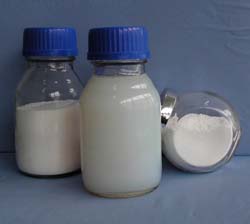
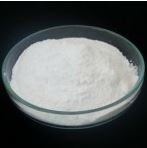
An Introduction to Nano Zinc Oxide in the Indian Context
Nanotechnology is rapidly transforming India's industrial and research landscape. Among the myriad of nanomaterials making waves, Nano Zinc Oxide (nZnO) stands out for its remarkable versatility and widespread potential. From advanced sunscreens to life-saving pharmaceuticals, its unique properties are unlocking new possibilities. However, with great power comes great responsibility. For Indian researchers, scientists, and professionals, understanding the complete picture of nZnO is crucial. This involves not only harnessing its benefits but also critically evaluating the health effects of zinc oxide in its nano form and establishing robust nano zinc oxide safety protocols.
This comprehensive guide is tailored for the Indian R&D community. We will delve into the core aspects of nZnO, covering its benefits, diverse applications, and the all-important discussion around its safety and risk assessment. As India continues to push the boundaries of scientific innovation, a well-informed perspective on materials like nZnO is essential for sustainable and responsible growth.
Key Benefits of Nano Zinc Oxide for Researchers
The unique physicochemical properties of nZnO at the nanoscale offer significant advantages for research and development across various fields. Here are some of the key benefits that make it a material of interest:
- Superior UV Protection: nZnO particles offer broad-spectrum protection against both UVA and UVB radiation. Their small size allows for transparent formulations, a significant cosmetic advantage in products like zinc oxide in sunscreens.
- Enhanced Antimicrobial Activity: Nano zinc oxide exhibits potent antibacterial and antifungal properties. This is due to the generation of reactive oxygen species (ROS) and the release of Zn²+ ions, making it a valuable agent in medical coatings, food packaging, and textiles.
- High Catalytic Efficiency: With a large surface-area-to-volume ratio, nZnO serves as a highly effective catalyst in various chemical reactions, including photocatalysis for wastewater treatment and the synthesis of fine chemicals.
- Biocompatibility and Bio-imaging Potential: Functionalized nZnO nanoparticles are being extensively researched for biomedical applications, including targeted drug delivery systems, cancer therapy (photodynamic therapy), and as contrast agents in bio-imaging.
- Semiconductor Properties: Its wide bandgap and high electron mobility make nZnO a promising material for use in electronics, including sensors, transistors, and light-emitting diodes (LEDs).
Diverse Nano Zinc Oxide Applications in Indian Industries
Cosmetics and Personal Care
The most prominent use is in zinc oxide in sunscreens and lotions. nZnO provides transparent, non-greasy, and powerful UV protection, catering to the growing demand in India's beauty market for effective and aesthetically pleasing products.
Pharmaceuticals & Healthcare
Its antimicrobial properties are leveraged in wound dressings, antibacterial coatings for medical devices, and dental applications. Research into nano zinc in pharmaceuticals for targeted cancer therapy is a promising frontier.
Textiles Industry
Incorporating nZnO into fabrics creates textiles with built-in UV protection, antimicrobial, and self-cleaning properties. This is highly valuable for performance wear, medical textiles, and military apparel.
Paints and Coatings
nZnO is added to paints to enhance durability, provide UV resistance (preventing fading), and impart anti-mildew and anti-corrosion properties, extending the life of coated surfaces.
Agriculture
As a nano-fertilizer, nZnO can provide essential zinc micronutrients to crops more efficiently. It's also being studied for its potential as a fungicide and for seed treatment to improve germination.
Electronics and Sensors
The unique semiconductor properties of nZnO are utilized in gas sensors, varistors, and transparent electrodes for displays and solar cells, aligning with India's push in electronics manufacturing.
Navigating Nano Zinc Oxide Safety and Health Effects
A thorough nano zinc oxide risk assessment for consumers and researchers is paramount. While nZnO offers numerous benefits, understanding its potential health and environmental impacts is a critical area of study. The primary routes of exposure are dermal contact, inhalation, and ingestion.
Dermal Exposure: The Sunscreen Debate
The most common public exposure to nZnO is through sunscreens. Extensive research has been conducted to assess whether these nanoparticles can penetrate the skin and enter the bloodstream. The overwhelming scientific consensus is that nZnO particles do not penetrate the outer layer of healthy, intact skin. They form a protective layer on the surface, effectively blocking UV radiation. However, caution and further research are advised for application on compromised or damaged skin (e.g., wounds, eczema).
Inhalation Risks: An Occupational Concern
The most significant of the health effects of zinc oxide nanoparticles is associated with inhalation. In occupational settings where nZnO is manufactured or processed in powder form, airborne particles can be inhaled. Studies in animal models have shown that this can lead to lung inflammation and other respiratory issues. Therefore, strict safety protocols, including proper ventilation and the use of personal protective equipment (PPE), are mandatory in these environments to minimize risk.
Environmental Impact and Ecotoxicity
When products containing nZnO (like sunscreens washed off at the beach) enter water systems, they can pose a risk to aquatic life. Studies have demonstrated the toxicity of nZnO to certain species of algae, crustaceans, and fish. This highlights the need for responsible disposal and the development of more environmentally benign formulations. Indian researchers have a key role to play in studying these effects in local ecosystems and developing mitigation strategies.
Market Trends and Opportunities for Zinc Oxide in India
The market trends for zinc oxide, particularly its nano form, are on a steep upward trajectory in India. This growth is fueled by several factors. The burgeoning cosmetics and personal care industry, driven by a growing middle class and increased awareness of sun protection, is a primary consumer. The Indian government's "Make in India" initiative is also encouraging domestic production of advanced materials, creating opportunities for local manufacturers.
Furthermore, the pharmaceutical sector's continuous search for novel antimicrobial agents and advanced drug delivery systems provides a fertile ground for nano zinc in pharmaceuticals. As regulatory frameworks evolve and more India-specific research on safety and efficacy is published, the adoption of nZnO is expected to accelerate across various industries, from agriculture to electronics. For Indian researchers and businesses, this presents a golden opportunity to innovate, develop new nano zinc oxide applications, and capture a significant share of this high-growth market.
Frequently Asked Questions (FAQ)
Based on current scientific consensus, nano zinc oxide is safe for use in sunscreens. Major regulatory bodies have concluded that the nanoparticles do not penetrate healthy, intact skin to a significant extent. The primary benefit of its nano form is providing broad-spectrum UV protection without leaving a white cast. However, research is ongoing, especially concerning application on compromised or damaged skin.
The primary difference is particle size. Conventional zinc oxide has larger particles, which are effective at blocking UV rays but often leave a visible white layer on the skin. Nano zinc oxide consists of much smaller particles (typically under 100 nanometers). This size reduction maintains or even enhances UV-blocking capabilities while appearing transparent on the skin, making it more cosmetically appealing. This smaller size also gives it unique antimicrobial and catalytic properties.
The main health concern is related to inhalation. Studies have shown that inhaling nano zinc oxide particles, especially in occupational settings, can lead to respiratory inflammation. Dermal absorption through intact skin is considered minimal, but ingestion and environmental impact (ecotoxicity, particularly for aquatic life) are other areas of ongoing risk assessment.
In India, nano zinc oxide is a significant driver of innovation in several sectors. The cosmetics industry benefits from its use in advanced sunscreens and personal care products. In pharmaceuticals, it's being explored for antibacterial coatings and drug delivery. The textile industry uses it for creating UV-protective and antimicrobial fabrics. Furthermore, it's finding applications in paints, coatings, and even agriculture as a nano-fertilizer.