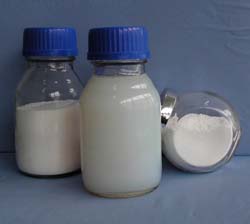
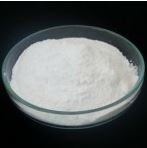
An Introduction to Nano Zinc Oxide in the Indian Context
Nanotechnology is no longer a futuristic buzzword; it's a present-day reality shaping industries across the globe. For India, a nation rapidly ascending the ladder of technological innovation, nanomaterials like Nano Zinc Oxide (n-ZnO) represent a cornerstone of scientific and industrial progress. These minuscule particles, typically less than 100 nanometers in size, possess unique physical and chemical properties that diverge significantly from their bulk counterparts. This makes Zinc Oxide Nanoparticles one of the most versatile and sought-after nano materials in modern science.
The significance of Zinc Oxide Research in India cannot be overstated. From advanced manufacturing and healthcare to environmental science and consumer goods, the applications are boundless. The Indian government's "Make in India" and "Aatmanirbhar Bharat" initiatives have further catalyzed R&D in this domain, encouraging scientists and entrepreneurs to explore indigenous solutions. For Indian researchers, understanding the nuances of n-ZnO—its synthesis, characterization, application, and the crucial aspect of nano zinc oxide intellectual property rights protection—is key to unlocking its full potential. This guide serves as a comprehensive resource, tailored for the Indian R&D ecosystem, to navigate the exciting world of Nano Zinc Products.
Key Benefits of Nano Zinc Oxide for Researchers
Working with Zinc Oxide Nanoparticles offers a multitude of advantages that can accelerate research outcomes and lead to significant breakthroughs. Here are some of the core benefits for the scientific community:
-
Exceptional UV Blocking Properties
Nano Zinc Oxide is a superior broad-spectrum UV absorber, blocking both UVA and UVB rays. This makes it invaluable for research into next-generation sunscreens, UV-protective coatings, and textiles without the whitening effect of larger particles.
-
Potent Antimicrobial Activity
One of the most researched Zinc Oxide Benefits is its ability to inhibit the growth of a wide range of bacteria and fungi. This opens up avenues for developing antimicrobial coatings, medical dressings, food packaging, and water purification systems.
-
High Catalytic Efficiency
The large surface-area-to-volume ratio of n-ZnO makes it an excellent photocatalyst. Researchers are leveraging this property to degrade pollutants in water and air, contributing to vital environmental remediation research.
-
Unique Semiconductor Properties
As a wide-bandgap semiconductor, Nanotechnology Zinc is at the forefront of research in electronics, including transparent electrodes for solar cells, sensors, and light-emitting diodes (LEDs), paving the way for more efficient and compact devices.
Industrial Applications Driving Zinc Oxide Research
The transition from laboratory to industry is where the true value of Nano Zinc Oxide is realized. Its versatility allows it to be a game-changer in multiple sectors. Here are some key industrial applications:
Cosmetics and Personal Care
The primary commercial Zinc Oxide Application is in sunscreens and skincare. Its ability to provide transparent, non-irritating, and effective UV protection makes it a preferred ingredient over chemical alternatives.
Rubber and Plastics Industry
n-ZnO acts as a powerful activator in the vulcanization of rubber, improving heat resistance, durability, and UV stability. It's a critical component in manufacturing tires, hoses, and other high-performance rubber products.
Paints and Coatings
Incorporating Zinc Oxide Coatings enhances the durability of paints by providing UV resistance, preventing fungal growth, and improving corrosion protection. This extends the life of coated surfaces, from buildings to vehicles.
Biomedical and Healthcare
Its antibacterial and anti-inflammatory properties are utilized in wound dressings, dental cements, and even in cancer research for targeted drug delivery and photodynamic therapy, showcasing one of the most impactful Nanomaterials Uses.
India-Specific Trends and Opportunities
The landscape for Nano Materials in India is ripe with opportunity. The convergence of a skilled scientific workforce, governmental support, and a burgeoning market creates a fertile ground for innovation. A key area of focus is sustainable technology. Indian researchers are exploring the use of Zinc Oxide Nanoparticles in wastewater treatment and as a micronutrient additive in fertilizers to boost crop yields, addressing two of the nation's most pressing challenges: water scarcity and food security.
Furthermore, with the rise of domestic electronics manufacturing, the demand for high-quality semiconductor materials is soaring. This presents a massive opportunity for R&D in n-ZnO-based sensors, transistors, and optoelectronic devices. However, this rapid innovation brings the challenge of IPR. Securing intellectual property is vital. The process of nano zinc oxide intellectual property rights protection requires a proactive strategy, including patent filing and trade secret management, to ensure that Indian innovations are commercially protected and can compete on a global scale. As the ecosystem matures, we will see a greater emphasis on creating and defending these intellectual assets.