The Dawn of a New Era in Plastic Sustainability
India, with its rapidly growing economy and population, faces a monumental challenge: plastic pollution. From clogged waterways to overflowing landfills, the environmental toll of conventional plastics is undeniable. This crisis calls for innovative solutions that don't just manage waste but fundamentally reimagine the materials we use. For Indian researchers, scientists, and industries, the answer may lie at the nanoscale. Enter Nano Zinc Oxide (n-ZnO), a versatile nanomaterial poised to revolutionize the plastics industry and offer a tangible path toward sustainability.
The unique properties of zinc oxide nanoparticles—particles smaller than 100 nanometers—are unlocking unprecedented possibilities. When incorporated into polymers, n-ZnO does more than just act as a filler; it transforms the plastic's core characteristics. This technology is not a distant dream; it's an active area of research and development within India, promising to create plastics that are stronger, more durable, and, most importantly, less harmful to our planet. This article delves into the science, applications, and immense potential of nanotechnology in plastic waste management, with a special focus on the role of zinc oxide for plastics.
Why Researchers are Turning to Nano Zinc Oxide
The integration of zinc oxide nanoparticles into polymer matrices offers a wealth of advantages that are particularly compelling for the Indian R&D landscape. These benefits address critical needs for both performance and environmental responsibility.
-
Enhanced UV Protection
Zinc oxide is a renowned UV absorber. At the nanoscale, its efficiency is magnified, providing superior protection against solar radiation that degrades plastics, thus extending the lifespan of products like outdoor furniture, automotive parts, and agricultural films.
-
Antimicrobial Properties for Safer Products
The high surface area of n-ZnO nanoparticles gives them potent antimicrobial capabilities. This is a game-changer for applications in food packaging, medical devices, and textiles, where inhibiting bacterial and fungal growth is critical for safety and hygiene.
-
Improved Mechanical and Thermal Stability
Adding n-ZnO to polymers can significantly increase their tensile strength, tear resistance, and thermal stability. This makes plastics more durable and suitable for high-performance applications, while also improving the quality of recycled plastics.
-
A Catalyst for Biodegradability
One of the most exciting frontiers is using nano zinc oxide for reducing plastic pollution by promoting biodegradability. N-ZnO can be incorporated into bioplastics (like PLA or PHA) to accelerate their decomposition under specific environmental conditions, tackling the problem of plastic persistence head-on.
Industry Applications: From Lab to Market
Advanced Food Packaging
In India's vast food industry, reducing spoilage is key. N-ZnO-infused plastic films create "active packaging" that prevents microbial growth, blocks UV rays, and extends the shelf life of fresh produce and packaged goods, directly addressing food security and waste reduction.
Smart and Functional Textiles
The textile industry is leveraging zinc oxide nanoparticles to create fabrics with built-in UV protection, and antimicrobial properties. This is ideal for sportswear, medical textiles, and everyday apparel, offering consumers enhanced comfort and safety.
Durable Construction Materials
Plastics used in construction, such as PVC pipes, window frames, and coatings, benefit immensely from n-ZnO. It improves their weather resistance and durability against harsh Indian climatic conditions, reducing the need for frequent replacements and conserving resources.
India-Specific Trends and Opportunities
The landscape for nanotechnology in plastic waste management is fertile in India, driven by government initiatives and a growing industrial conscience. The "Make in India" campaign encourages domestic innovation, and nanomaterials like n-ZnO are at the forefront. Research institutions and universities across the country are securing grants to study the zinc oxide environmental impact and optimize its use in polymers. There's a clear trend towards developing cost-effective, scalable methods for producing nanocomposites, which is crucial for widespread adoption.
Furthermore, the rising consumer demand for eco-friendly products is pushing industries to innovate. Companies that adopt nano materials for eco-friendliness gain a significant competitive edge. The nano zinc oxide industry trends point towards a future where plastics are not just inert materials but functional, intelligent products that contribute to a circular economy. For Indian professionals, this translates into a burgeoning field with opportunities in material science, chemical engineering, and sustainable product development. Understanding the fundamental zinc oxide chemical properties and their application is becoming an invaluable skill.
Frequently Asked Questions
Related Products
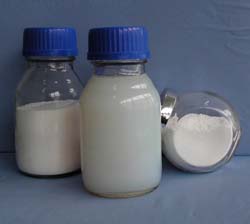
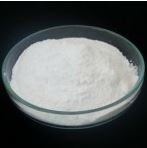
Ready to Innovate with Nanotechnology?
Join the forefront of material science. Explore our range of high-purity nano zinc oxide and other nanomaterials to power your next research project or product innovation.
Browse Our Products