The Silent Threat in Our Waters: India's Heavy Metal Challenge
Water, the elixir of life, is facing an unprecedented crisis in India. Rapid industrialization, while crucial for economic growth, has led to the unchecked discharge of toxic effluents into our rivers and groundwater. Among the most dangerous pollutants are heavy metals like lead (Pb), cadmium (Cd), mercury (Hg), and arsenic (As). These non-biodegradable toxins accumulate in the food chain, posing severe health risks to millions, including neurological damage, organ failure, and cancer. For Indian researchers and industries, finding an efficient, scalable, and cost-effective solution for heavy metal removal is not just a scientific challenge—it's a national imperative.
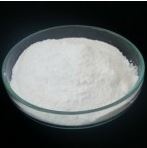
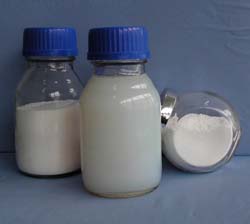
Traditional methods of water purification, such as chemical precipitation, ion exchange, and reverse osmosis, often fall short. They can be expensive, energy-intensive, and sometimes produce toxic sludge, merely shifting the pollution problem. This is where the field of nanotechnology offers a beacon of hope. By engineering materials at the atomic level, we can create solutions with unparalleled efficiency. Enter Nano Zinc Oxide (ZnO), a versatile nanomaterial that is emerging as a frontrunner in the battle for clean water. Its unique properties make it exceptionally effective at adsorbing and degrading heavy metal contaminants, heralding a new era for water purification technologies.
Why Researchers are Turning to Nano Zinc Oxide
For the Indian R&D community, Zinc Oxide Nanoparticles are more than just a novel material; they represent a paradigm shift in environmental remediation. The excitement is driven by a unique combination of benefits that directly address the shortcomings of conventional methods:
- Exceptional Surface Area: The "nano" in Nano Zinc Oxide is its superpower. With particle sizes typically under 100 nanometers, ZnO nanoparticles boast an incredibly high surface-area-to-volume ratio. This provides a vast number of active sites for heavy metal ions to bind to, resulting in significantly higher adsorption capacity and faster removal rates compared to bulk materials.
- High Adsorption Efficiency: Nano ZnO exhibits a strong affinity for various heavy metal ions. Its surface chemistry allows for effective chelation and electrostatic attraction, effectively "trapping" toxic metals and removing them from aqueous solutions with remarkable efficiency.
- Photocatalytic Degradation: Beyond simple adsorption, Nano Zinc Oxide is a powerful photocatalyst. When exposed to UV or even visible light, it generates reactive oxygen species (ROS) that can degrade organic pollutants and reduce the toxicity of certain metal ions, offering a two-pronged approach to water treatment.
- Cost-Effectiveness and Abundance: Zinc is an abundant and relatively inexpensive element. The synthesis methods for producing Nano Zinc Oxide are becoming increasingly scalable and affordable, making it a viable option for large-scale water purification projects in a cost-sensitive market like India.
- Biocompatibility and Low Toxicity: When used responsibly, ZnO is considered biocompatible and has low toxicity, making it a more environmentally friendly alternative to other treatment chemicals. This is a crucial factor for sustainable heavy metal treatment with Nano Zinc.
From Lab to Industry: Real-World Applications in India
The potential of Nano Zinc Oxide for the removal of heavy metals is not just theoretical. It has practical, transformative applications across several key Indian industries that are major sources of water pollution.
Textile and Tannery Industries
These sectors are notorious for discharging effluents rich in chromium, lead, and cadmium. Integrating Nano Zinc Oxide into wastewater treatment plants can drastically reduce the heavy metal load, helping industries meet stringent pollution control norms and enabling water recycling.
Mining and Metallurgy
Acid mine drainage is a significant environmental problem, releasing arsenic, copper, and zinc into water bodies. Zinc Oxide Nanoparticles can be used in remediation systems to neutralize acidity and effectively capture these dissolved metals, preventing ecological damage.
Electronics and Battery Manufacturing
The manufacturing of electronics and batteries generates wastewater containing lead, mercury, and cadmium. Using filters or slurries infused with Nano Materials for Water Purification like ZnO can create a closed-loop system, purifying water for reuse and recovering valuable metals.
Agriculture and Groundwater Remediation
Arsenic contamination in groundwater, a major health crisis in states like West Bengal and Bihar, can be addressed using ZnO-based filtration systems. These can be deployed at the community level to provide safe drinking water, showcasing the versatile Zinc Oxide applications in public health.
The Future of Water Purification: India-Specific Trends
The convergence of national priorities and scientific innovation is creating a fertile ground for nanotechnology in heavy metal removal. The Indian government's flagship programs, such as the 'Namami Gange' mission to clean the Ganges river and the 'Jal Jeevan Mission' to provide piped drinking water, demand advanced purification technologies. Nano Zinc Oxide is perfectly poised to contribute to these goals. We are witnessing a trend towards developing hybrid nanomaterials, where ZnO is combined with other substances like graphene or activated carbon to enhance its stability and adsorptive capacity.
Furthermore, the 'Make in India' initiative is encouraging domestic production of nanomaterials, reducing import dependency and fostering a local ecosystem for R&D and manufacturing. Indian researchers are actively working on green synthesis methods for Zinc Nanoparticles, using plant extracts to create them in an eco-friendly manner. The environmental benefits of Zinc Oxide, coupled with its increasing economic viability, position it as a key material in India's journey towards water security and a sustainable industrial future. The role of Zinc Oxide in the chemical industry is expanding from traditional uses to high-tech environmental solutions, a trend that is set to accelerate in the coming decade.