The Dawn of a New Era in Solar Energy
India, with its ambitious renewable energy targets, stands at the forefront of the global solar revolution. The quest for more efficient and cost-effective solar technology is not just an industrial goal; it's a national priority. In this pursuit, material science offers the key, and one of the most promising keys is **Nano Zinc Oxide (ZnO)**. This remarkable nanomaterial is emerging as a game-changer, promising significant **solar cell efficiency improvements**.
But what makes **Zinc Oxide Nanoparticles** so special? Unlike traditional materials, Nano ZnO operates at a scale where the fundamental properties of matter are altered. Its unique electronic and optical characteristics make it an ideal candidate for enhancing the performance of photovoltaic devices. For Indian researchers and professionals in the renewable energy sector, understanding the potential of **Nano Materials for Solar Efficiency** is crucial. This article delves deep into the world of Nano Zinc Oxide, exploring its benefits, applications, and the immense opportunities it presents for India's sustainable future.
Why Researchers are Turning to Nano Zinc Oxide
The advantages of integrating **Nano Zinc Oxide** into solar cells are multifaceted, offering solutions to some of the longest-standing challenges in photovoltaic technology. Here’s a breakdown of the key benefits for researchers:
-
Enhanced Electron Mobility
Nano ZnO boasts high electron mobility, meaning it can transport electrons generated by sunlight far more efficiently than many conventional materials. This reduces energy loss and directly contributes to higher overall **solar cell efficiency**.
-
Superior Light Trapping
The nanostructured surface of ZnO is excellent at scattering and trapping light within the solar cell's active layer. This increases the probability of photon absorption, ensuring more sunlight is converted into electricity.
-
Excellent UV Protection and Stability
One of the critical **chemical properties of Nano Zinc** is its ability to absorb harmful UV radiation. This protects the sensitive organic layers within a solar cell from degradation, significantly extending the device's operational lifespan and stability, a vital factor in India's sunny climate.
-
Cost-Effectiveness and Abundance
Zinc is an abundant and relatively inexpensive element. The synthesis methods for **Zinc Oxide Nanoparticles** are scalable and more economical compared to rare materials like indium, making it a commercially attractive option for large-scale solar energy projects.
Industry Applications: Beyond the Lab
The impact of **nanotechnology in solar energy** through ZnO is not confined to traditional silicon panels. Its versatility opens doors to a new generation of photovoltaic applications.
Dye-Sensitized Solar Cells (DSSCs)
Nano ZnO serves as an ideal semiconductor material for the photoanode in DSSCs. Its high surface area allows for greater dye absorption, leading to more efficient light harvesting and making DSSCs a promising low-cost alternative to silicon-based cells.
Perovskite Solar Cells (PSCs)
In the cutting-edge field of PSCs, Nano ZnO is used as an efficient electron transport layer (ETL). It facilitates the swift extraction of electrons, preventing charge recombination and boosting the already impressive efficiency of perovskite technology.
Flexible and Transparent Solar Cells
The ability to process Nano ZnO at low temperatures makes it compatible with flexible plastic substrates. This is paving the way for transparent solar cells that can be integrated into windows, as well as flexible cells for wearables and portable electronics.
UV Photodetectors & Sensors
Beyond energy generation, the strong UV absorption properties of Nano ZnO make it a prime material for creating highly sensitive UV photodetectors. These are crucial in various industrial and environmental monitoring applications.
India-Specific Trends and Opportunities
India's commitment to the 'National Solar Mission' creates a fertile ground for innovation in **nanomaterials for renewable energy**. The government's push for domestic manufacturing under the 'Make in India' initiative provides a significant incentive for R&D in materials like **Nano Zinc Oxide**. Research institutions and universities across the country are actively exploring **Nano Zinc Oxide for solar cells efficiency**, with a focus on developing scalable and India-centric solutions.
The trend is shifting towards hybrid solar cells that combine the stability of inorganic materials like ZnO with the high efficiency of organic or perovskite absorbers. This synergy is where Indian researchers can make a global impact. Furthermore, the application of **Nano Zinc for UV Protection** in solar panels is particularly relevant for India, where high UV indices can accelerate material degradation. Developing ZnO-integrated encapsulation layers could drastically improve the longevity of solar installations across the nation, reducing maintenance costs and improving the return on investment for large-scale solar farms.
Frequently Asked Questions
Nano Zinc Oxide (ZnO) consists of zinc oxide particles with dimensions in the nanometer range (typically 1-100 nm). This small size gives it unique properties, such as a large surface-area-to-volume ratio and high electron mobility, making it highly valuable in electronics, UV protection, and especially in solar cell technology.
Nano ZnO improves solar cell efficiency in several ways: 1. Enhanced Light Trapping: Its nanostructure scatters light effectively, increasing the path length of photons within the solar cell. 2. Superior Electron Transport: It has high electron mobility, which allows for faster and more efficient collection of photogenerated electrons. 3. UV Resistance: It acts as a protective layer, shielding the solar cell from degrading UV radiation, thereby increasing its lifespan and stability.
Zinc Oxide is generally considered biocompatible and environmentally safe. It is a key ingredient in many sunscreens and ointments. In the context of solar cells, it offers a more abundant and less toxic alternative to other materials like cadmium or lead, aligning with the green energy goals of solar technology.
The primary challenges include achieving uniform, large-scale production of high-quality ZnO nanostructures at a low cost. Ensuring long-term stability and performance of the solar cells in India's diverse and often harsh climatic conditions is another key area of research. Overcoming these hurdles is crucial for commercial viability.
Absolutely. Nano Zinc Oxide's properties make it an excellent candidate for flexible solar cells. It can be processed at low temperatures, making it compatible with flexible polymer substrates. This opens up possibilities for applications in wearable technology, portable chargers, and building-integrated photovoltaics.
Related Products for Your Research
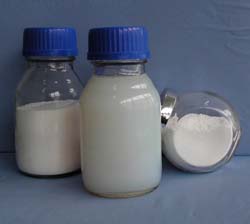
Zinc-Oxide Powder ( White)
View Product →
Nano Zinc Oxide Powder, (White Powder)
View Product →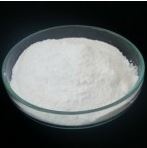
Zinc oxide nanopowder
View Product →Ready to Advance Your Solar Research?
Harness the power of high-purity Nano Zinc Oxide and other advanced materials. Explore our comprehensive catalog to find the exact specifications you need for your next breakthrough.
Browse Our Nanomaterials