Unveiling the Nano Titanium Oxide Band Gap: A Deep Dive into Electronic Structure and Energy Calculation for Indian Researchers
Explore the fascinating world of Nano Titanium Oxide, its crucial band gap properties, and the advanced computational methods used to understand its electronic structure, offering immense potential for innovation in Indian R&D and industry.
Learn MoreIntroduction to Nano Titanium Oxide Band Gap and its Significance for India
Nano Titanium Oxide (TiO2) has emerged as a cornerstone material in modern nanotechnology, captivating researchers and industries worldwide, including a rapidly growing interest within India. Its unique properties at the nanoscale, particularly its electronic band gap, dictate its functionality across a myriad of applications from photocatalysis and solar cells to advanced sensors and biomedical devices. Understanding and precisely calculating the band gap energy of TiO2 nanomaterials is not just an academic exercise; it is a critical endeavor that unlocks pathways for tailored material design and optimized performance.
For Indian researchers and professionals, delving into the intricacies of the Nano Titanium Oxide band gap offers a competitive edge in global innovation. With a burgeoning focus on sustainable energy, environmental remediation, and advanced materials manufacturing, the ability to manipulate and predict the electronic structure of TiO2 nanomaterials through techniques like Density Functional Theory (DFT) is paramount. This blog post aims to demystify the concept of band gap in nano TiO2, elaborate on the methods for its calculation, and highlight its profound relevance to India's scientific and industrial landscape.
We will explore how the quantum confinement effects influence the Nano Titanium Oxide Band Gap, moving beyond bulk properties to understand the nuances of TiO2 Nanomaterials Electronic Structure. Furthermore, we will shed light on the computational power of Density Functional Theory TiO2 and other Computational Materials Science Nano TiO2 approaches that are indispensable for accurate Band Gap Energy Calculation.
Benefits for Indian Researchers and Professionals
Understanding the Nano Titanium Oxide band gap provides a multitude of advantages for the Indian scientific community:
- Accelerated Innovation in Solar Energy: Precise Band Gap Energy Calculation enables the design of more efficient dye-sensitized solar cells (DSSCs) and perovskite solar cells, crucial for India's renewable energy goals.
- Enhanced Photocatalytic Applications: Tailoring the TiO2 Nanomaterials Electronic Structure allows for improved degradation of pollutants in water and air, addressing critical environmental challenges in India.
- Advancements in Sensor Technology: Knowledge of the band gap aids in developing highly sensitive and selective gas sensors and biosensors for various industrial and healthcare applications.
- Optimized Material Design: Leveraging Density Functional Theory TiO2 provides a predictive tool for synthesizing TiO2 nanomaterials with desired optical and electronic properties, reducing experimental trial-and-error.
- Competitive Edge in Global Nanotechnology: Mastery over Computational Materials Science Nano TiO2 techniques positions Indian researchers at the forefront of global nanomaterials research and development.
- Development of Advanced Coatings: Understanding the band gap is vital for creating self-cleaning, anti-fogging, and UV-protective coatings, relevant for Indian infrastructure and consumer products.
- Novel Cosmetic Formulations: Insights into Nano Titanium Oxide Properties contribute to safer and more effective UV filters and pigments in cosmetics, a growing market in India.
- Sustainable Industrial Processes: Utilizing nano TiO2 for catalysis and environmental applications supports India's push towards greener and more sustainable industrial practices.
Key Industrial Applications of Nano Titanium Oxide in India
The versatile properties derived from the Nano Titanium Oxide Band Gap translate into diverse industrial applications, with significant implications for India's economic and technological growth.
Renewable Energy Solutions
Nano TiO2 is a critical component in next-generation solar cells, particularly in improving the efficiency of perovskite and dye-sensitized solar cells. Its tunable band gap allows for optimized light absorption and charge separation, making it indispensable for India's ambitious solar energy targets. This includes research into more stable and cost-effective solar panels.
Environmental Remediation
As a potent photocatalyst, nano TiO2 is extensively used in water and air purification systems. It effectively degrades organic pollutants, dyes, and even some harmful microorganisms under UV or visible light. Indian cities and industries can benefit immensely from these advanced solutions for combating pollution and ensuring public health.
Advanced Coatings and Paints
The self-cleaning, anti-fogging, and UV-blocking properties of nano TiO2 make it ideal for innovative coatings. From architectural paints that resist grime to protective layers for automotive surfaces and textiles, Nano Materials in Coatings are transforming durability and aesthetics across various sectors in India.
Cosmetics and Personal Care
In the cosmetics industry, nano TiO2 serves as a highly effective physical UV filter in sunscreens, offering broad-spectrum protection without leaving a white residue. Its use in Nanotechnology in Cosmetics is driven by consumer demand for safer and more efficacious personal care products, a significant market in India.
Industrial Catalysis
Beyond photocatalysis, nano TiO2 acts as a catalyst or catalyst support in various chemical reactions, facilitating more efficient and sustainable industrial processes. This includes applications in the production of chemicals, pharmaceuticals, and in exhaust gas treatment, contributing to cleaner manufacturing in India.
Advanced Electronics and Sensors
The electronic properties of nano TiO2, particularly its band gap, are exploited in the development of next-generation electronic devices, memory components, and highly sensitive sensors for detecting gases, humidity, and biological analytes. This area holds promise for India's burgeoning electronics manufacturing sector.
India-Specific Opportunities and Emerging Trends in Nano Titanium Oxide Research
India's scientific and industrial landscape is ripe for significant contributions to the field of Nano Titanium Oxide. The emphasis on indigenous research and development, coupled with governmental initiatives promoting innovation, creates a fertile ground for exploring the vast potential of these nanomaterials.
A key trend involves the advanced Band Gap Energy Calculation using sophisticated computational tools. Indian institutions are increasingly investing in high-performance computing to conduct Density Functional Theory TiO2 simulations, enabling researchers to predict and fine-tune the TiO2 Nanomaterials Electronic Structure before costly experimental synthesis. This computational materials science approach is crucial for understanding the quantum confinement effects that lead to a widened band gap in nano TiO2 compared to its bulk counterpart.
The Nano Titanium Oxide Market Trends in India show a steady upward trajectory, driven by demand from sectors like construction (for self-cleaning windows and concrete), automotive (for catalytic converters and paints), and healthcare (for drug delivery systems and antibacterial surfaces). There's a particular focus on developing cost-effective synthesis methods for nano TiO2, making these advanced materials more accessible for widespread adoption across various Nano Titanium Oxide Uses.
Furthermore, research into the environmental implications and Nano Titanium Oxide Safety is gaining traction. While the benefits are clear, responsible innovation requires a thorough understanding of potential ecological and health impacts, ensuring sustainable development. This includes studies comparing Titanium Dioxide vs Nano Titanium Oxide in terms of their long-term effects and efficacy in different applications.
The convergence of material science, computational chemistry, and engineering disciplines is fostering interdisciplinary collaborations within India, pushing the boundaries of what's possible with Nano Titanium Oxide Properties. These efforts are not only advancing fundamental science but also translating into tangible solutions that address India's unique challenges and opportunities.
Frequently Asked Questions about Nano Titanium Oxide Band Gap

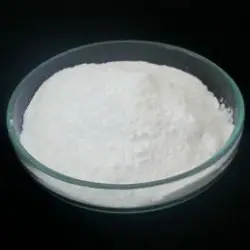

Advance Your Research with High-Quality Nano Titanium Oxide
Ready to explore the full potential of Nano Titanium Oxide in your next project? Reinste offers a comprehensive range of high-purity TiO2 nanomaterials, perfectly suited for cutting-edge research and industrial applications.
Explore Our Products NowGet in Touch with Our Experts
Have questions about Nano Titanium Oxide, its band gap properties, or specific applications? Our team of experts is here to assist you. Fill out the form below, and we'll get back to you promptly.