Self-Cleaning Buildings & Facades
Revolutionizing urban aesthetics, nano TiO2-infused concrete keeps building exteriors pristine, reducing maintenance costs and enhancing the visual appeal of modern Indian architecture.

Explore how nano titanium oxide and titanium dioxide nanoparticles are revolutionizing construction materials, offering unprecedented strength, durability, and environmental benefits for researchers and professionals in India.
Learn MoreIndia's rapid urbanization and ambitious infrastructure projects demand materials that are not only robust and durable but also sustainable and efficient. Traditional concrete, while foundational, faces challenges like cracking, corrosion, and environmental impact. This is where nano titanium oxide and titanium dioxide nanoparticles emerge as game-changers, ushering in a new era of nanotechnology in concrete.
For Indian researchers and professionals, understanding the profound impact of nanoparticles in cement is crucial. These ultra-fine particles, when integrated into concrete mixtures, modify its microstructure at a fundamental level, leading to significant improvements in its performance characteristics. From enhancing mechanical properties to imparting novel functionalities like self-cleaning and pollution abatement, nano materials in construction are paving the way for smarter, greener, and more resilient infrastructure across the nation.
This blog delves into the scientific principles, practical applications, and immense opportunities that nano titanium oxide in concrete research presents for India, positioning it at the forefront of advanced material science and sustainable development.
Nano titanium oxide significantly refines the concrete microstructure, leading to higher compressive and tensile strengths, crucial for long-lasting infrastructure in India's diverse climatic conditions.
By reducing porosity and improving resistance to chloride ingress, sulfates, and carbonation, titanium dioxide nanoparticles extend the lifespan of concrete structures, minimizing maintenance needs.
The photocatalytic effect of nano titanium oxide coatings allows concrete surfaces to break down organic pollutants and grime, keeping buildings and pavements cleaner with less effort, ideal for urban environments.
Beyond self-cleaning, eco-friendly titanium oxide actively purifies air by decomposing harmful nitrogen oxides (NOx) and volatile organic compounds (VOCs), contributing to cleaner air in Indian cities.
Nano TiO2 can enhance the whiteness and brightness of concrete, while also providing excellent UV resistance, preventing discoloration and degradation over time, particularly beneficial in India's strong sunlight.
Certain formulations of nanotitanium applications can reflect solar radiation, potentially reducing heat absorption in buildings and contributing to energy savings in cooling, a significant advantage in India's warm climate.
Revolutionizing urban aesthetics, nano TiO2-infused concrete keeps building exteriors pristine, reducing maintenance costs and enhancing the visual appeal of modern Indian architecture.
Highways and urban pathways can actively decompose vehicular emissions, contributing to better air quality in congested Indian cities – a vital step towards sustainable infrastructure.
For bridges, dams, and high-rise buildings, nano composites provide superior strength and durability, essential for India's demanding construction environment.
Beyond structural applications, the photocatalytic properties of nano titanium oxide are also explored in concrete-based water purification systems, addressing critical water challenges in India.
Integrating nanoparticles in cement contributes to the development of smart cities, offering materials that are not only durable but also intelligent and environmentally responsive.
In coastal regions, where concrete is vulnerable to salt attack, nano TiO2 offers enhanced protection, crucial for India's extensive coastline and marine infrastructure.
The landscape for nanotechnology in concrete is rapidly evolving in India, fueled by a confluence of research initiatives, government support, and industrial demand for advanced building materials. Indian researchers are actively exploring novel synthesis methods for titanium dioxide nanoparticles, focusing on cost-effective and scalable production relevant to local conditions.
A significant trend is the push towards eco-friendly titanium oxide solutions. With increasing environmental awareness and stringent regulations, there's a growing emphasis on materials that not only perform better but also reduce the carbon footprint of construction. This includes developing concrete that can absorb pollutants, utilize industrial waste, and offer extended service life, thereby minimizing resource consumption.
The 'Smart Cities Mission' and 'Make in India' initiatives provide fertile ground for the adoption and indigenous development of nano materials in construction. This includes research into nano titanium oxide coatings for existing structures, enhancing their properties without extensive reconstruction. Collaborations between academic institutions, research labs, and construction companies are key to translating laboratory breakthroughs into commercial applications.
Furthermore, the demand for specialized nano composites for specific applications, such as high-strength concrete for metro projects or corrosion-resistant concrete for coastal infrastructure, is driving innovation. The industrial applications of nano titanium extend beyond traditional construction, impacting areas like paints, coatings, and even advanced ceramics, showcasing a versatile future for these materials in India's industrial growth.
As research progresses, we can anticipate more sophisticated integration techniques and the emergence of new functionalities, solidifying India's position as a leader in sustainable and advanced construction technologies.
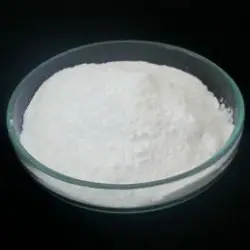
Nano Titanium Oxide (TiO2 nanoparticles) refers to titanium dioxide particles engineered at the nanoscale (typically 1-100 nm). In concrete, these nanoparticles significantly enhance mechanical properties like strength and durability, improve resistance to chemicals, and introduce advanced functionalities such as photocatalytic self-cleaning and pollution reduction, making concrete more sustainable and long-lasting.
For Indian construction, key benefits include increased structural integrity for critical infrastructure, enhanced resistance to harsh environmental conditions (e.g., acid rain, pollution), self-cleaning surfaces reducing maintenance costs, and a greener footprint through photocatalytic decomposition of pollutants. These advancements align with India's focus on sustainable and smart city development.
Extensive research is ongoing to assess the environmental and health impacts of nanoparticles. When incorporated into concrete, nano titanium oxide is typically encapsulated within the matrix, minimizing its release. However, safe handling during manufacturing and application is crucial. Regulatory bodies worldwide, including in India, are developing guidelines to ensure responsible use of nanotechnology in construction.
Nano Titanium Oxide exhibits photocatalytic properties. When exposed to sunlight (UV radiation), it generates reactive oxygen species that break down organic pollutants, grime, and microbial growth on the concrete surface into simpler, harmless compounds. These are then easily washed away by rain, keeping the concrete surface cleaner for longer and reducing the need for chemical cleaning.
The future in India is promising, driven by the need for advanced infrastructure and sustainable solutions. Trends include the development of smart concrete with integrated sensors, pollution-absorbing pavements, and high-performance concrete for extreme environments. Opportunities lie in collaborative research between academia and industry, government support for green building materials, and the expansion of indigenous manufacturing capabilities for nano materials in construction.
Connect with Reinste to explore high-quality nano titanium oxide products and advanced material solutions for your research and industrial needs.
Get in Touch Today