Unlocking Clean Energy: Nano Titanium Oxide for Efficient Hydrogen Production in India
Discover how advanced nano titanium oxide materials are revolutionizing sustainable hydrogen generation, propelling India towards a greener, energy-independent future.
Explore NowThe Dawn of Green Hydrogen: Nano Titanium Oxide's Role in India
India, with its ambitious clean energy targets, is actively seeking innovative solutions to transition away from fossil fuels. Among the most promising avenues is green hydrogen production, a process that generates hydrogen using renewable energy sources without emitting greenhouse gases. At the forefront of this revolution are advanced nanomaterials, particularly Nano Titanium Oxide. These remarkable materials, often referred to as Nano TiO2 or Titanium oxide nanomaterials, are proving to be game-changers in enhancing the efficiency and sustainability of hydrogen generation processes, especially photocatalytic water splitting.
The unique properties of Nano Titanium Oxide, such as its high surface area, excellent photocatalytic activity, and chemical stability, make it an ideal candidate for hydrogen production catalysts. Indian researchers and professionals are keenly exploring how these nanomaterials for energy can be optimized to overcome current challenges, such as low conversion efficiency and high production costs. By harnessing the power of nanotechnology in hydrogen generation, India aims to establish a robust and economically viable green hydrogen economy, reducing its reliance on imported energy and mitigating climate change impacts. This blog delves into the scientific advancements, practical applications, and future opportunities that Nano Titanium Oxide presents for India's clean energy landscape.
Key Benefits for Indian Researchers & Professionals
- Enhanced Catalytic Efficiency: Nano Titanium Oxide significantly boosts the efficiency of photocatalytic water splitting, leading to higher hydrogen yields with less energy input. This is crucial for developing cost-effective hydrogen production methods.
- Sustainability and Environmental Friendliness: Utilizing sunlight as an energy source and water as a feedstock, Nano TiO2-based systems offer a truly green pathway for hydrogen generation, aligning with India's sustainable development goals.
- Versatility in Application: Beyond direct hydrogen production, these nanomaterials find applications in various related fields, including wastewater treatment and CO2 reduction, offering multi-faceted research opportunities.
- Cost-Effectiveness in the Long Run: While initial research and development might require investment, the abundance and non-toxicity of titanium oxide, combined with improved efficiency, promise a more economical route to hydrogen production compared to traditional methods.
- Gateway to Novel Research: The unique properties of Nano Titanium Oxide open doors for innovative research in material science, quantum chemistry, and engineering, fostering a vibrant R&D ecosystem in India.
- Scalability for Industrial Production: Research into scalable synthesis methods for Titanium oxide nanomaterials is paving the way for large-scale industrial hydrogen production, crucial for meeting India's future energy demands.
Industrial Applications of Nano Titanium Oxide in Hydrogen Production
Photocatalytic Water Splitting
The most prominent application of Nano Titanium Oxide is in photocatalytic water splitting. Here, TiO2 nanomaterials act as hydrogen production catalysts, absorbing sunlight to break down water molecules into hydrogen and oxygen. This process is a cornerstone of clean energy titanium oxide research, aiming for highly efficient and sustainable hydrogen generation. Indian industries are investing in developing large-scale photocatalytic reactors to harness this technology.
Hydrogen Fuel Cells
While not directly producing hydrogen, Titanium oxide nanomaterials play a crucial role in enhancing the performance and durability of hydrogen fuel cells. They can be used as support materials for platinum catalysts, improving their stability and reducing degradation, thus contributing to the efficiency of hydrogen utilization in various applications, from automotive to stationary power.
Photoelectrochemical Hydrogen Production
Combining photocatalysis with electrochemistry, photoelectrochemical (PEC) cells offer another promising route. Nano TiO2 electrodes are central to PEC systems, where they absorb light to generate electron-hole pairs, facilitating the electrochemical reduction of water to hydrogen. Research in India is focused on designing highly stable and efficient PEC devices using novel Nano Titanium Oxide architectures.
Hydrogen Storage Solutions
Beyond production, the safe and efficient storage of hydrogen is paramount. Although not a primary storage material, Titanium oxide nanomaterials can be incorporated into advanced hydrogen storage systems to improve their kinetics and capacity. Their porous structures and surface properties can facilitate hydrogen adsorption and desorption, contributing to the development of next-generation storage technologies.
India's Green Hydrogen Future: Opportunities and Trends
The Indian government's "National Green Hydrogen Mission" underscores the nation's commitment to becoming a global hub for green hydrogen production and export. This ambitious initiative is creating unprecedented opportunities for research, development, and industrial deployment of Nano Titanium Oxide for hydrogen production. Indian academic institutions and private sector companies are actively collaborating to push the boundaries of nanotechnology in hydrogen generation.
A significant trend is the increasing focus on developing indigenous capabilities for synthesizing high-quality Nano TiO2 at scale. This includes optimizing synthesis routes to control particle size, morphology, and crystalline structure, which are critical for maximizing photocatalytic efficiency. Furthermore, there's a growing interest in hybrid nanomaterials, combining Titanium oxide nanomaterials with other semiconductors or noble metals to enhance light absorption and charge separation, leading to superior hydrogen production catalysts.
The market for nanomaterials for energy in India is poised for substantial growth, driven by investments in renewable energy infrastructure and the burgeoning demand for clean fuels. Researchers are exploring novel applications, including the use of Nano photonic materials and advanced Titanium dioxide applications in integrated solar-hydrogen systems. This holistic approach aims to create self-sufficient and highly efficient hydrogen production units, paving the way for clean energy titanium oxide solutions to power India's economic growth and environmental sustainability.
Frequently Asked Questions about Nano Titanium Oxide and Hydrogen Production
Nano Titanium Oxide (Nano TiO2) possesses unique properties such as a large surface area, excellent photocatalytic activity, and high chemical stability. These characteristics enable it to efficiently absorb light energy and facilitate the splitting of water molecules into hydrogen and oxygen, making it an effective catalyst for green hydrogen production.
By enabling the production of hydrogen through photocatalytic water splitting using sunlight, Nano Titanium Oxide offers a truly sustainable and environmentally friendly method. This process generates hydrogen without fossil fuels, significantly reducing carbon emissions and contributing to a cleaner, greener energy future.
Key challenges include improving the overall energy conversion efficiency, ensuring catalyst stability over long operational periods, and developing cost-effective large-scale synthesis methods for Nano TiO2. Research is ongoing to address these issues and make the technology commercially viable.
India is actively investing in research and development through its National Green Hydrogen Mission. Academic institutions and industries are collaborating to explore novel synthesis techniques, develop hybrid nanomaterials, and design efficient photocatalytic reactors, aiming to establish India as a leader in green hydrogen technology using Nano Titanium Oxide.
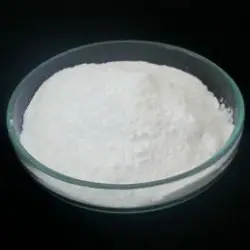
Explore Related Nano Titanium Oxide Products


Ready to Advance Your Research in Green Hydrogen?
Connect with Reinste to explore our range of high-quality Nano Titanium Oxide materials and expert support for your innovative projects.
Get in Touch Today