Nano Titanium Oxide: Revolutionizing Self-Cleaning & Antimicrobial Coatings for Indian Industries
Discover how this advanced nanomaterial is transforming hygiene, sustainability, and efficiency across diverse sectors, offering unprecedented solutions for a cleaner, safer future in India.
Learn MoreThe Dawn of a New Era: Nano Titanium Oxide in Indian R&D and Industry
In the rapidly evolving landscape of materials science, nano titanium oxide (TiO2) stands out as a groundbreaking innovation, poised to redefine standards in hygiene, sustainability, and industrial efficiency. For Indian researchers and professionals, understanding the multifaceted potential of this nanomaterial is not just an academic exercise but a strategic imperative. From bustling urban centers seeking cleaner environments to advanced manufacturing units demanding superior product performance, nano titanium oxide offers solutions that are both ingenious and impactful.
At its core, nano titanium oxide harnesses the power of photocatalysis, a process where light energy triggers chemical reactions. When titanium dioxide is reduced to the nanoscale, its surface area dramatically increases, enhancing its photocatalytic efficiency. This property enables it to break down organic pollutants, neutralize harmful bacteria, and even contribute to air and water purification. The implications for a country like India, grappling with environmental challenges and a growing demand for advanced materials, are profound.
This blog delves into the science, applications, and immense relevance of nano titanium oxide for India's burgeoning research and development sector and its dynamic industrial landscape. We will explore how this smart material is not just a scientific curiosity but a practical tool for building a healthier, cleaner, and more sustainable future. From self-cleaning surfaces that reduce maintenance costs to antimicrobial coatings that enhance public health, the journey of nano titanium oxide is one of transformative potential.
Join us as we uncover the intricate world of nano titanium oxide, its pivotal role in creating self-cleaning surfaces and antimicrobial coatings, and the exciting opportunities it presents for innovation and growth within the Indian context. This is more than just a material; it's a catalyst for change.
Unlocking Potential: Benefits of Nano Titanium Oxide for Indian Researchers
- Versatile Research Avenues: Nano titanium oxide opens up extensive research opportunities in photocatalysis, environmental remediation, biomedical applications, energy harvesting (solar cells), and advanced materials development.
- High Impact Publications: Research into novel applications and synthesis methods of nano titanium oxide, especially those addressing India-specific challenges like pollution control and public health, can lead to high-impact publications and global recognition.
- Interdisciplinary Collaboration: The broad applicability of nano TiO2 fosters collaboration between chemists, physicists, material scientists, environmental engineers, and biotechnologists, promoting interdisciplinary research.
- Sustainable Solutions Development: Researchers can contribute to developing eco-friendly and sustainable technologies, such as self-cleaning coatings for infrastructure, efficient water purification systems, and air quality improvement solutions, directly benefiting Indian society.
- Cost-Effective Innovation: Exploring indigenous methods for synthesizing and functionalizing nano titanium oxide can lead to cost-effective solutions, making advanced technologies more accessible for Indian industries and consumers.
- Intellectual Property & Patents: Novel discoveries in nano titanium oxide applications offer significant potential for generating intellectual property and patents, bolstering India's position in global nanotechnology.
- Skill Development: Working with nano titanium oxide requires advanced characterization techniques and synthesis skills, contributing to the development of a highly skilled workforce in nanotechnology and materials science.
- Addressing National Challenges: Direct application of research to solve pressing national issues like air and water pollution, disease control through antimicrobial surfaces, and energy efficiency aligns with national scientific priorities.
Transforming Industries: Key Applications of Nano Titanium Oxide
Self-Cleaning Building Materials
Nano titanium oxide coatings applied to building facades, windows, and solar panels enable them to self-clean. This reduces maintenance costs, improves aesthetic appeal, and enhances the efficiency of solar panels by preventing dirt accumulation. Imagine buildings in polluted Indian cities staying cleaner for longer, reducing the need for manual cleaning and water consumption.
Antimicrobial & Antiviral Coatings
In healthcare settings, public transport, and even homes, surfaces coated with nano titanium oxide can actively kill bacteria, viruses, and fungi upon light exposure. This is crucial for preventing the spread of infections, especially in densely populated areas and hospitals in India, contributing significantly to public health and safety.
Advanced Air & Water Purification
Nano TiO2 is highly effective in photocatalytic reactors for degrading organic pollutants in water and volatile organic compounds (VOCs) in the air. This technology is vital for addressing India's pressing environmental challenges, offering innovative solutions for industrial wastewater treatment and improving urban air quality.
Automotive & Transportation
Coatings on vehicle exteriors can offer self-cleaning and anti-fog properties, enhancing visibility and reducing the need for frequent washes. Inside, antimicrobial coatings can improve cabin hygiene, a significant advantage for public transportation and personal vehicles in India's diverse climate.
Functional Textiles & Apparel
Nano titanium oxide can be integrated into fabrics to create self-cleaning, odor-reducing, and antimicrobial clothing. This is particularly beneficial for sportswear, medical uniforms, and everyday wear, offering enhanced hygiene and longevity, which are highly valued by Indian consumers.
Cosmetics & Personal Care
Due to its UV-blocking properties, nano titanium dioxide is a common ingredient in sunscreens. Its ability to absorb and scatter UV light without leaving a white residue makes it a preferred choice for effective and aesthetically pleasing sun protection products, a growing market in India.
India's Nanotech Horizon: Opportunities and Emerging Trends in Nano Titanium Oxide
India is rapidly emerging as a hub for nanotechnology research and application, and nano titanium oxide is at the forefront of this revolution. The country's unique challenges and opportunities create a fertile ground for innovation in self-cleaning surfaces and antimicrobial coatings. With initiatives like 'Make in India' and a strong focus on sustainable development, the demand for advanced materials like nano titanium oxide is set to soar.
Growing Market for Smart Materials
The Indian market for smart materials, particularly those offering enhanced functionality like self-cleaning and antimicrobial properties, is experiencing significant growth. Industries ranging from construction and automotive to healthcare and consumer goods are actively seeking innovative solutions that improve product performance and consumer well-being. Nano titanium oxide provides a cost-effective and efficient pathway to achieving these goals.
Focus on Environmental Remediation
With increasing concerns over air and water pollution, India is investing heavily in environmental remediation technologies. Nano titanium oxide's photocatalytic capabilities make it an ideal candidate for developing advanced air filters, water purification systems, and even anti-pollution paints for urban infrastructure. Researchers are actively exploring its use in degrading industrial effluents and urban smog, contributing to a cleaner India.
Healthcare and Hygiene Innovations
The COVID-19 pandemic significantly heightened awareness about hygiene and infection control. This has spurred demand for antimicrobial coatings and self-sterilizing surfaces in hospitals, public spaces, and even residential areas. Nano titanium oxide offers a durable and effective solution for creating these protective barriers, aligning with India's public health goals.
Academic and Industrial Collaboration
Indian academic institutions and research organizations are increasingly collaborating with industries to translate laboratory-scale innovations into market-ready products. This synergy is crucial for the widespread adoption of nano titanium oxide technologies, ensuring that research directly addresses industrial needs and societal benefits. The focus on nano coatings and titanium dioxide applications is particularly strong in this collaborative environment.
Policy Support and Funding
Government policies and funding initiatives are playing a vital role in propelling nanotechnology research in India. Grants for projects focused on nanomaterials, especially those with clear societal and industrial impact, are encouraging researchers to delve deeper into the potential of materials like nano titanium oxide, fostering an ecosystem of innovation and growth.
The trajectory for nano titanium oxide in India is undeniably upward. As research continues to uncover new facets of its functionality and industries embrace its transformative potential, India is set to become a global leader in leveraging this smart material for a sustainable and technologically advanced future. The journey of titanium nanotechnology is just beginning, and India is poised to lead the way.
Frequently Asked Questions about Nano Titanium Oxide
Nano titanium oxide, often referred to as nano TiO2, is a form of titanium dioxide engineered at the nanoscale (typically 1-100 nanometers). At this minute size, it exhibits enhanced photocatalytic properties, meaning it can react with light to break down organic pollutants and kill microbes, making it ideal for self-cleaning and antimicrobial applications.
When exposed to UV light (from sunlight or artificial sources), nano titanium oxide acts as a photocatalyst. It generates reactive oxygen species that break down organic dirt, pollutants, and grime into simpler, harmless compounds like CO2 and water. Additionally, it makes surfaces superhydrophilic, causing water to spread evenly and wash away loosened dirt, effectively 'self-cleaning' the surface.
The photocatalytic activity of nano titanium oxide also extends to its antimicrobial capabilities. The reactive oxygen species it produces are highly effective at damaging the cell membranes and internal structures of bacteria, viruses, and fungi, leading to their inactivation or death. This makes it a powerful agent for creating self-sterilizing surfaces in various environments.
In India, nano titanium oxide finds diverse applications. It's used in construction for self-cleaning building facades and anti-pollution coatings, in healthcare for sterilizing surfaces and medical devices, in textiles for antimicrobial fabrics, in water and air purification systems, and in automotive coatings for enhanced durability and cleanliness. Its potential is rapidly expanding across various industrial sectors.
While nano titanium oxide offers significant benefits, its safety, especially regarding environmental release and human exposure, is an ongoing area of research. When incorporated into coatings or matrices, it is generally considered stable. However, appropriate handling and application guidelines should always be followed, particularly for airborne nanoparticles. Researchers and industries are continuously working on safe and sustainable applications.
Explore Related Nano Titanium Oxide Products

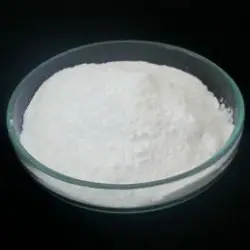
Ready to Innovate with Nano Titanium Oxide?
Connect with Reinste to explore high-quality nano titanium oxide materials and customized solutions for your research and industrial needs. Let's build a cleaner, smarter future together.
Get in Touch Today