Nano Titanium Oxide: Revolutionizing Microbial Control for Indian Industries
Discover the immense potential of titanium dioxide nanoparticles in combating microbial threats, offering sustainable and advanced solutions for diverse sectors across India.
Explore Now
The Dawn of a New Era: Nano Titanium Oxide in Microbial Control
In the dynamic landscape of modern science and technology, India stands at the forefront of innovation, with its research and development sector rapidly expanding. A critical area gaining significant traction is the application of nanotechnology, particularly nano titanium oxide, in addressing pervasive challenges like microbial contamination. For Indian researchers and professionals, understanding the profound impact and versatile applications of titanium dioxide nanoparticles in microbial control is not just academic; it’s a pathway to developing sustainable, efficient, and cost-effective solutions for various industries.
Microbial control is a global imperative, spanning healthcare, food safety, water purification, and environmental remediation. Traditional methods often fall short, presenting issues like microbial resistance, environmental concerns, and limited efficacy. This is where the unique properties of nano titanium oxide (TiO2 nanoparticles) emerge as a game-changer. These nanoparticles, due to their high surface-area-to-volume ratio, photocatalytic activity, and inherent antimicrobial properties, offer an unparalleled advantage in inhibiting the growth of bacteria, viruses, and fungi.
India, with its diverse industrial base and a strong emphasis on public health, has a compelling need for advanced microbial control strategies. From ensuring sterile environments in its burgeoning pharmaceutical and healthcare sectors to safeguarding agricultural produce and potable water, the demand for effective antimicrobial solutions is immense. Nano titanium oxide, a key player in antimicrobial nanotechnology, provides a robust and environmentally benign alternative to conventional disinfectants. Its ability to generate reactive oxygen species (ROS) under light exposure effectively disrupts microbial cell membranes and genetic material, leading to their inactivation.
This blog delves deep into the science behind nano titanium oxide for microbial control, exploring its mechanisms, benefits, and a myriad of applications relevant to the Indian context. We will highlight how these nanomaterials are not just theoretical constructs but practical tools transforming industries and improving lives. Join us as we uncover the potential of sustainable nanomaterials and the exciting opportunities they present for innovation and progress in India's scientific and industrial landscape.
Unlocking Potential: Benefits for Indian Researchers & Professionals
-
Enhanced Antimicrobial Efficacy
Nano titanium oxide exhibits superior broad-spectrum antimicrobial activity against a wide range of pathogens, including antibiotic-resistant strains, making it invaluable for advanced research in infectious disease control.
-
Photocatalytic Self-Cleaning Properties
Researchers can explore self-cleaning surfaces and air/water purification systems utilizing the photocatalytic nature of TiO2 nanoparticles, leading to sustainable and low-maintenance solutions.
-
Biocompatibility & Safety Profile
When properly engineered, titanium dioxide nanoparticles demonstrate good biocompatibility, opening avenues for biomedical applications and safer consumer products.
-
Versatile Integration into Materials
Ease of incorporation into coatings, textiles, polymers, and composites allows for the development of novel antimicrobial nanomaterials and smart surfaces across various sectors.
-
Environmental Sustainability
Offers an eco-friendly alternative to chemical disinfectants, reducing the reliance on harmful substances and contributing to greener industrial processes in India.
-
Cost-Effectiveness in Long Run
While initial investment may vary, the durability and long-lasting antimicrobial effect of nano coatings and products can lead to significant cost savings over time for industries.
Transforming Industries: Key Applications of Nano Titanium Oxide
Healthcare & Medical Devices
Infection control is paramount in healthcare. Nano titanium oxide is being explored for antimicrobial coatings on surgical instruments, implants, hospital surfaces, and wound dressings, significantly reducing hospital-acquired infections (HAIs). Its use in medical textiles and air purification systems within healthcare facilities is also gaining traction, enhancing patient safety in Indian hospitals.
Food Safety & Packaging
Extending shelf life and preventing food spoilage are critical. TiO2 nanoparticles are integrated into active food packaging materials, providing antimicrobial barriers that inhibit bacterial growth on food surfaces. This application is vital for India's food processing industry, ensuring safer food products and reducing waste.
Water & Wastewater Treatment
Access to clean water is a fundamental challenge. The photocatalytic properties of nano titanium oxide are highly effective in degrading organic pollutants and inactivating pathogens in water treatment systems, offering a sustainable solution for potable water and industrial wastewater purification across India.
Construction & Architecture
Self-cleaning and antimicrobial coatings using nano titanium oxide are applied to building materials, paints, and glass. These nano coatings help maintain cleaner surfaces, reduce maintenance costs, and improve indoor air quality, contributing to more hygienic urban environments in India.
Textiles & Apparel
Antimicrobial textiles are in high demand for sportswear, medical uniforms, and household fabrics. Nano TiO2 can be incorporated into fibers or applied as a finish, imparting durable antimicrobial properties, which is particularly beneficial in India's humid climates to prevent odor and microbial growth.
Cosmetics & Personal Care
Beyond its UV-blocking properties, nano titanium oxide is used in sunscreens and other personal care products for its mild antimicrobial effects, helping to preserve product integrity and offer skin protection. This aligns with the growing demand for advanced cosmetic formulations in India.
India's Nanotechnology Horizon: Opportunities & Future Trends
The landscape for nanotechnology in India is vibrant, driven by governmental support, increasing R&D investments, and a growing pool of skilled professionals. For nano titanium oxide, the opportunities for innovation in microbial control are particularly promising. Indian institutions are actively researching novel synthesis methods for titanium dioxide nanoparticles, focusing on cost-effectiveness and scalability to meet industrial demands.
One significant trend is the development of hybrid nanomaterials, combining nano titanium oxide with other agents like silver nanoparticles or graphene to achieve synergistic antimicrobial effects. This approach enhances efficacy and broadens the spectrum of applications, especially in challenging environments. Furthermore, research into optimizing the photocatalytic activity of TiO2 nanoparticles under visible light is crucial for indoor applications and energy efficiency, moving beyond UV-dependent systems.
The "Make in India" initiative provides a strong impetus for indigenous production and application of these advanced nanomaterials. Companies are increasingly looking towards nano coatings and smart surfaces that offer long-term microbial protection for infrastructure, public transport, and healthcare facilities. The focus on sustainable nanomaterials also means exploring greener synthesis routes and ensuring the environmental safety of titanium oxide uses throughout its lifecycle.
Another emerging area is the integration of nanotechnology in agriculture, where nano titanium oxide can play a role in protecting crops from microbial diseases, thereby enhancing food security. The convergence of nanotechnology with artificial intelligence and IoT is also paving the way for smart antimicrobial systems that can monitor and respond to microbial threats in real-time. These advancements position India as a key player in the global nanotechnology in industry landscape, with nano titanium oxide at the forefront of microbial control strategies.
Frequently Asked Questions about Nano Titanium Oxide
Explore Related Nano Titanium Oxide Products
Nano Titanium Dioxide Translucent to White Liquid
View Product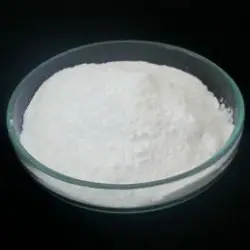
Nano Titanium Oxide White Powder, (25nm)
View Product
Titanium Dioxide-Nanoparticles (Anatase)
View Product
Titanium Oxide - Nanoparticles, type P25
View ProductReady to Innovate with Nano Titanium Oxide?
Connect with Reinste to explore our range of high-quality nanomaterials and empower your research and industrial applications.
Get in Touch Today