
Nano Titanium Oxide in Wastewater Treatment: An Indian Perspective on Nanomaterials for a Cleaner Future
Discover how cutting-edge nanotechnology, specifically nano titanium oxide and titanium dioxide nanoparticles, is revolutionizing wastewater treatment, offering sustainable solutions for India's growing environmental challenges.
Learn MoreIntroduction to Nano Titanium Oxide and its Relevance to Indian R&D and Industry
India, a nation experiencing rapid industrialization and urbanization, faces significant challenges in managing its wastewater. Traditional treatment methods, while effective to a degree, often fall short in addressing emerging contaminants, heavy metals, and persistent organic pollutants. This is where the transformative power of nanotechnology, particularly the application of nano titanium oxide and titanium dioxide nanoparticles, comes into play. These advanced nanomaterials offer unparalleled efficiency and versatility in purifying water, paving the way for a cleaner and healthier environment.
The scientific community and industries across India are increasingly recognizing the potential of nanotechnology applications in wastewater treatment. Research and Development (R&D) initiatives are exploring novel ways to synthesize and deploy these nanoparticles, moving beyond conventional chemical treatment methods. The unique properties of nano titanium oxide, such as its high surface area, photocatalytic activity, and chemical stability, make it an ideal candidate for degrading pollutants, disinfecting water, and removing heavy metals. This blog delves into the intricate world of nano titanium oxide for wastewater treatment, highlighting its mechanisms, benefits, and the exciting opportunities it presents for Indian researchers and professionals.
As India strives for sustainable development, investing in advanced wastewater treatment solutions is not just an environmental imperative but also an economic opportunity. The adoption of nano titanium oxide based technologies can lead to more efficient, cost-effective, and environmentally friendly processes, aligning with the nation's goals for clean water and a circular economy. This exploration will provide valuable insights for those engaged in environmental engineering, materials science, and public health in India.
Key Benefits of Nano Titanium Oxide for Indian Researchers
- Enhanced Photocatalytic Activity: Nano titanium oxide, particularly in its anatase form, exhibits superior photocatalytic properties. This allows it to efficiently degrade a wide range of organic pollutants, including dyes, pharmaceuticals, and pesticides, under UV or even visible light, making it a powerful tool for advanced oxidation processes in wastewater treatment.
- Broad Spectrum Pollutant Degradation: Unlike many traditional methods that target specific pollutants, titanium dioxide nanoparticles can effectively break down complex organic compounds into harmless byproducts, offering a comprehensive solution for diverse industrial and municipal wastewater streams.
- Antimicrobial and Disinfection Properties: The reactive oxygen species generated by nano titanium oxide also possess strong antimicrobial capabilities, effectively inactivating bacteria, viruses, and other pathogens present in water, thereby improving water quality and public health.
- High Adsorption Capacity: Beyond photocatalysis, nanomaterials like titanium oxide have a high surface area, enabling them to adsorb heavy metal ions and other inorganic contaminants, facilitating their removal from water.
- Chemical Stability and Reusability: Nano titanium oxide is chemically stable and resistant to corrosion, allowing for its repeated use in treatment processes. This reusability reduces operational costs and minimizes secondary waste generation, making it an economically viable option for chemical treatment in the long run.
- Reduced Sludge Production: Compared to conventional wastewater treatment methods that often generate large volumes of sludge, nanotechnology-based approaches can significantly reduce sludge formation, simplifying disposal and lowering environmental impact.
- Scalability and Integration: Research in India is focusing on developing scalable nano titanium oxide systems that can be integrated into existing wastewater treatment plants, offering a practical pathway for upgrading infrastructure without extensive overhauls.
- Environmental Friendliness: Titanium dioxide is a non-toxic, abundant, and environmentally benign material, ensuring that its application in wastewater treatment does not introduce new environmental hazards.
Industrial Applications of Nano Titanium Oxide in Wastewater Treatment
Textile Industry Effluent Treatment
The textile industry in India is a major consumer of water and producer of highly colored and chemically complex wastewater. Nano titanium oxide based photocatalysis offers an effective solution for decolorizing textile effluents and degrading hazardous dyes and auxiliary chemicals, significantly reducing their environmental footprint. This is a critical application of nano materials in a sector with high pollution potential.
Pharmaceutical Wastewater Remediation
Pharmaceutical contaminants, even in trace amounts, pose a serious threat to aquatic ecosystems and human health. Titanium dioxide nanoparticles are highly effective in breaking down complex drug molecules, antibiotics, and endocrine-disrupting compounds, ensuring that pharmaceutical wastewater is thoroughly treated before discharge. This showcases the advanced capabilities of nanotechnology in addressing persistent pollutants.
Heavy Metal Removal from Industrial Discharges
Many industries, including mining, electroplating, and chemical manufacturing, release wastewater contaminated with heavy metals like lead, cadmium, and arsenic. The excellent adsorption properties of nano titanium oxide make it an efficient adsorbent for removing these toxic metals, preventing their accumulation in the environment and food chain. This is a vital nanotechnology application for industrial safety.
Municipal Wastewater and Potable Water Purification
Beyond industrial applications, nano titanium oxide can be integrated into municipal wastewater treatment plants for tertiary treatment, removing residual organic matter and pathogens. Its disinfection capabilities also make it promising for point-of-use water purification systems, providing safe drinking water in remote or underserved areas of India. This highlights the broad impact of nano technology on public health.
India-Specific Opportunities and Emerging Trends in Nano Titanium Oxide for Wastewater Treatment
The landscape for nano titanium oxide for wastewater treatment in India is ripe with opportunities, driven by increasing environmental regulations, public awareness, and a burgeoning scientific ecosystem. Indian research institutions and universities are actively engaged in cutting-edge studies focusing on cost-effective synthesis methods for titanium dioxide nanoparticles, enhancing their photocatalytic efficiency, and developing scalable reactor designs. The focus is often on utilizing locally available resources and developing technologies that are robust and adaptable to diverse Indian conditions.
One significant trend is the development of composite nanomaterials, where nano titanium oxide is combined with other materials like graphene, carbon nanotubes, or other metal oxides to improve its performance, expand its light absorption range (e.g., into visible light), and enhance its separation from treated water. This synergistic approach promises even more efficient and sustainable wastewater treatment solutions.
Furthermore, there's a growing emphasis on smart nanotechnology applications, integrating nano titanium oxide into sensor technologies for real-time monitoring of water quality and treatment efficacy. This allows for optimized operation and proactive management of chemical treatment processes. The "Make in India" initiative also provides a strong impetus for indigenous development and manufacturing of nanoparticles and related equipment, fostering self-reliance in this critical sector.
Collaboration between academia, industry, and government bodies is crucial for translating laboratory-scale innovations into deployable technologies. Funding for projects focused on nano titanium oxide and nanotechnology for environmental remediation is increasing, reflecting a national commitment to addressing water pollution. This vibrant ecosystem positions India at the forefront of adopting and innovating in the field of nano titanium oxide for wastewater treatment, promising a cleaner and more sustainable future.
Frequently Asked Questions about Nano Titanium Oxide in Wastewater Treatment
What is Nano Titanium Oxide and how does it work in wastewater treatment?
+Why is Nano Titanium Oxide considered superior to traditional chemical treatment methods?
+What are the primary applications of Nano Titanium Oxide in Indian industries?
+Is Nano Titanium Oxide safe for environmental applications?
+Related Nano Titanium Oxide Products

Nano Titanium Dioxide Translucent to White Liquid
View Product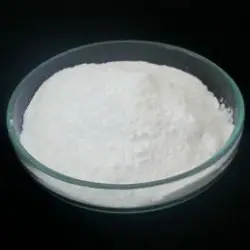
Nano Titanium Oxide White Powder, (25nm)
View Product
Titanium Dioxide-Nanoparticles (Anatase)
View Product
Titanium Oxide - Nanoparticles, type P25
View ProductReady to Explore Advanced Nanomaterials for Your Research?
Reinste offers a comprehensive range of high-quality nano titanium oxide and other nanomaterials tailored for advanced applications, including wastewater treatment. Partner with us to accelerate your innovations in nanotechnology and contribute to a sustainable future.
Contact Our Experts Today