
Unlocking the Potential of Nano Silica: A Comprehensive Guide for Indian Researchers and Professionals
Delve into the revolutionary world of silica nanoparticles, exploring their unique properties, diverse applications, and the burgeoning opportunities they present for India's scientific and industrial landscape.
Learn MoreIntroduction to the Nano Silica Revolution
In the dynamic realm of materials science, nano silica, also known as silica nanoparticles, stands out as a groundbreaking innovation. These minuscule particles, typically ranging from 1 to 100 nanometers in diameter, are essentially silicon dioxide (SiO2) in a highly refined form. What makes them so revolutionary isn't just their size, but the dramatic change in their physical and chemical properties at the nanoscale. With an incredibly high surface area-to-volume ratio, enhanced reactivity, and unique optical and mechanical characteristics, nano silica is transforming industries and pushing the boundaries of scientific research.
For Indian researchers and professionals, the emergence of nano silica represents a vast frontier of opportunities. India, with its burgeoning scientific community and rapidly expanding industrial base, is uniquely positioned to harness the power of this advanced material. From enhancing the durability of infrastructure to developing cutting-edge medical technologies, nano silica applications are diverse and impactful. This comprehensive guide aims to illuminate the multifaceted aspects of nano silica, providing valuable insights into its properties, applications, and the exciting future it holds, particularly within the Indian context.
Understanding nano silica technology is crucial for innovation. Its ability to improve material performance, reduce environmental impact, and enable novel functionalities makes it a cornerstone of modern material engineering. As we delve deeper, we will explore how these tiny particles are making a colossal difference, offering solutions to complex challenges and paving the way for a more sustainable and technologically advanced future.
This article will cover the fundamental nano silica properties, its wide array of uses, and the specific opportunities and trends relevant to the Indian market, including discussions on nano silica testing methods and standards, and the growth of the nano silica market and nano silica production in the region.
Key Benefits of Nano Silica for Indian Researchers
Nano silica offers a multitude of advantages that can significantly accelerate research and development across various disciplines in India:
- Enhanced Material Performance: By incorporating silica nanoparticles, researchers can develop materials with superior strength, hardness, durability, and thermal stability. This is particularly beneficial for sectors like construction and automotive, where material longevity is paramount.
- Novel Functionalities: The high surface area and modifiable surface chemistry of nano silica allow for the creation of materials with new properties, such as self-cleaning surfaces, advanced catalysts, and efficient drug delivery systems.
- Cost-Effectiveness and Sustainability: In many applications, a small amount of nano silica can yield significant improvements, potentially reducing the overall material consumption and manufacturing costs. Its use can also lead to more environmentally friendly products and processes.
- Versatility Across Disciplines: From civil engineering and chemistry to biomedical science and environmental remediation, nano silica uses are incredibly broad, providing a versatile tool for interdisciplinary research.
- Improved Dispersion and Compatibility: With appropriate surface modifications, nano silica can be highly dispersible in various matrices (polymers, liquids, etc.), leading to homogeneous composites with optimized properties.
- Advanced Characterization Insights: Studying nano silica provides opportunities for Indian researchers to master advanced characterization techniques, contributing to a deeper understanding of nanoscale phenomena and material behavior.
- Contribution to Indigenous Innovation: Research into nano silica production and its applications can foster indigenous technological development, reducing reliance on imported advanced materials and strengthening India's position in global nanotechnology.
- Addressing Local Challenges: Nano silica can be tailored to address specific Indian challenges, such as developing water purification systems, improving agricultural yields, or creating durable infrastructure in diverse climatic conditions.
These benefits underscore why nano silica technology is a focal point for advanced research and industrial innovation in India.
Diverse Industrial Applications of Nano Silica
The unique nano silica properties translate into a wide array of practical applications across numerous industries, driving innovation and efficiency:
Construction & Concrete
Nano silica for concrete significantly enhances its strength, durability, and resistance to chemical attacks. It acts as a pozzolanic material, filling microscopic pores and refining the microstructure, leading to ultra-high performance concrete. This is vital for India's rapidly expanding infrastructure projects, ensuring longer-lasting bridges, roads, and buildings.
Coatings, Paints & Adhesives
Incorporating silica nanoparticles improves scratch resistance, hardness, UV stability, and anti-corrosion properties of coatings and paints. It also enhances the rheological properties, making them easier to apply and more durable, crucial for automotive, aerospace, and protective coatings.
Textiles & Fabrics
Nano silica for textiles can impart properties like water repellency, stain resistance, UV protection, and even flame retardancy without compromising breathability or feel. This opens new avenues for smart textiles and high-performance apparel, relevant for India's significant textile industry.
Electronics & Optics
In electronics, nano silica is used in polishing slurries for semiconductor manufacturing, as dielectric layers, and in thermal management. Its optical properties make it valuable for anti-reflective coatings and optical fibers, contributing to advancements in communication and computing technologies.
Biomedical & Healthcare
Biocompatible silica nanoparticles are explored for drug delivery systems, bioimaging, tissue engineering scaffolds, and as components in dental materials. Their porous structure and surface modifiability make them ideal carriers for targeted therapies.
Agriculture & Environment
In agriculture, nano silica can be used in controlled-release fertilizers, pesticides, and soil amendments to improve nutrient uptake and crop protection. Environmentally, it aids in water purification, heavy metal adsorption, and catalytic converters for pollution control.
Nano Silica in India: Opportunities and Emerging Trends
India's scientific and industrial landscape is ripe for the widespread adoption and innovation in nano silica technology. Several factors contribute to this burgeoning interest, positioning India as a key player in the global nano silica market.
Driving Forces in India:
- Infrastructure Boom: With massive investments in smart cities, highways, and housing, the demand for advanced construction materials like high-performance concrete enhanced with nano silica for concrete is skyrocketing.
- "Make in India" Initiative: This government push encourages indigenous manufacturing and research, providing a fertile ground for local nano silica production and application development.
- Growing R&D Investment: Increased funding in nanotechnology research by government bodies and private sectors is fostering innovation in silica nanoparticles, leading to new discoveries and commercialization opportunities.
- Environmental Sustainability Goals: Nano silica offers eco-friendly solutions in water treatment, agriculture, and energy efficiency, aligning with India's commitment to sustainable development.
Emerging Trends and Focus Areas:
Researchers in India are increasingly focusing on:
- Sustainable Synthesis Methods: Developing greener and more cost-effective ways for nano silica production from agricultural waste (like rice husk ash) or industrial by-products.
- Advanced Composites: Integrating nano silica into polymers, metals, and ceramics to create next-generation materials for aerospace, automotive, and defense sectors.
- Smart Materials: Research into responsive materials using nano silica gel for sensors, actuators, and smart coatings.
- Biomedical Innovations: Exploring nano silica for targeted drug delivery, diagnostics, and biocompatible implants, addressing critical healthcare needs in India.
- Standardization and Safety: A growing emphasis on establishing robust nano silica testing methods and standards to ensure product quality, safety, and regulatory compliance for widespread adoption.
The collaborative ecosystem involving academic institutions, national research laboratories, and industries is crucial for translating cutting-edge research into tangible products and solutions, solidifying India's position in the global nanotechnology landscape.
Frequently Asked Questions about Nano Silica
What is nano silica and why is it important?
What are the primary applications of nano silica?
How is nano silica characterized and tested?
What are the current trends and opportunities for nano silica in India?
Explore Related Nano Silica Products
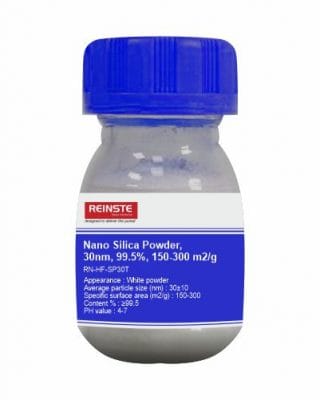


Ready to Innovate with Nano Silica?
Explore our range of high-quality nano silica products and take your research or industrial application to the next level. Connect with our experts today!
Contact Our Experts