
Unlocking Sustainability with Nano Silica: Applications and Opportunities for Indian R&D and Industry
Explore how nano silica is revolutionizing various sectors in India, offering innovative solutions for a greener and more efficient future, tailored for researchers and professionals.
Explore Nano Silica Solutions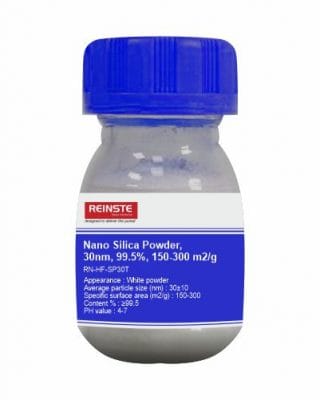
Introduction to Nano Silica and its Sustainable Impact in India
In the rapidly evolving landscape of materials science, nano silica stands out as a revolutionary material with immense potential to drive sustainable development. Comprising silicon dioxide nanoparticles, nano silica possesses unique properties such as an exceptionally high surface area, superior reactivity, and remarkable mechanical strength. These characteristics make it an invaluable asset in enhancing the performance of various materials and processes, thereby contributing significantly to environmental conservation and resource efficiency.
For Indian researchers and professionals, the emergence of nano silica presents a dual opportunity: to innovate solutions tailored for the nation's specific challenges and to align with global sustainability goals. India, with its diverse industrial base and a strong emphasis on 'Make in India' and 'Green India' initiatives, is particularly well-positioned to leverage nano silica's capabilities. From fortifying infrastructure to revolutionizing agriculture and healthcare, nano silica applications are paving the way for a greener, more resilient future.
This blog delves into the multifaceted world of nano silica, exploring its critical role in fostering sustainability, its myriad applications, and the burgeoning opportunities it offers for the Indian R&D and industrial sectors. We will uncover how this nanoscale marvel is not just a material but a catalyst for transformative change, enabling industries to achieve higher performance with a reduced environmental footprint.
Key Benefits of Nano Silica for Indian Researchers and Industries
Enhanced Material Performance
Nano silica significantly improves mechanical properties like strength, hardness, and durability in composites, concrete, and polymers. This leads to longer-lasting products and structures, reducing the frequency of replacement and material consumption, crucial for sustainable development in India.
Resource Efficiency & Waste Reduction
By enabling the use of industrial by-products (like fly ash or rice husk ash) in its synthesis or as a cement additive, nano silica promotes a circular economy. It also reduces the need for virgin materials, leading to lower energy consumption and waste generation in various manufacturing processes.
Environmental Protection
Nano silica contributes to lower carbon emissions in cement production, better water purification systems, and more efficient agricultural practices that reduce pesticide use. Its role in developing eco-friendly coatings and catalysts further underscores its environmental benefits.
Cost-Effectiveness & Economic Growth
While initial investment in nanotechnology might seem high, the long-term benefits of enhanced product lifespan, reduced maintenance, and efficient resource utilization lead to significant cost savings. This fosters economic growth and competitiveness for Indian industries adopting nano silica solutions.
Versatile Applications & Innovation
The adaptability of nano silica across diverse sectors—from construction and textiles to healthcare and electronics—opens up new avenues for innovation. Indian researchers can explore novel formulations and applications, driving technological advancements and intellectual property development.
Improved Health & Safety
In areas like water purification, nano silica-based filters offer effective removal of contaminants, ensuring access to clean drinking water. In healthcare, it aids in drug delivery and diagnostics, contributing to better public health outcomes in India.
Diverse Applications of Nano Silica for a Sustainable India
Construction & Infrastructure
Nano silica in concrete and cement dramatically enhances strength, durability, and resistance to chemical attacks and water penetration. This is crucial for India's rapidly expanding infrastructure, ensuring longer-lasting bridges, roads, and buildings while reducing material usage and carbon footprint. It allows for the development of high-performance concrete (HPC) and self-compacting concrete (SCC).

Sustainable Agriculture
In agriculture, nano silica acts as a potent plant strengthener, improving resistance to drought, pests, and diseases. It enhances nutrient uptake, leading to higher crop yields and reduced reliance on chemical pesticides and fertilizers. This supports organic farming and food security initiatives across India.

Textiles & Coatings
Nano silica imparts advanced functionalities to textiles, such as enhanced water repellency, stain resistance, UV protection, and improved durability. In coatings, it offers superior scratch resistance, anti-corrosion properties, and self-cleaning capabilities, leading to longer-lasting products and reduced maintenance, aligning with sustainable manufacturing practices.

Water Purification
Efficient and affordable water purification is a national priority for India. Nano silica-based membranes and adsorbents are highly effective in removing heavy metals, organic pollutants, and microbial contaminants from water, offering sustainable solutions for clean drinking water and wastewater treatment, addressing a critical environmental challenge.

Energy Sector
Nano silica is being explored for its role in improving energy storage devices, such as batteries and supercapacitors, by enhancing electrode stability and efficiency. It also finds application in thermal insulation materials, contributing to energy conservation in buildings and industrial processes, vital for India's energy security and climate goals.

Healthcare & Biomedical
In healthcare, nano silica is utilized for drug delivery systems, biosensors, and as a component in dental and bone implants due to its biocompatibility and tunable properties. These applications offer advanced, more effective, and often less invasive solutions, contributing to improved public health infrastructure in India.

Nano Silica in India: Emerging Opportunities and Future Trends
The landscape for nano silica in India is ripe with opportunities, driven by a growing emphasis on sustainable development, technological self-reliance, and robust government support for research and innovation. Indian researchers and industries are increasingly focusing on indigenous production methods for nano silica, often utilizing abundant local resources like rice husk ash, a major agricultural waste product. This not only reduces import dependency but also provides an eco-friendly route for nano silica production, aligning with the principles of a circular economy.
One significant trend is the burgeoning nano silica market in India, particularly in the construction sector. The demand for high-performance and green building materials is accelerating, making nano silica in concrete an attractive proposition. Researchers are actively working on optimizing the dispersion and integration of nano silica to maximize its benefits of nano silica in various cementitious composites, extending the lifespan of structures and enhancing their resilience against environmental factors.
Beyond construction, the uses of nano silica are expanding into diverse sectors. In agriculture, there's a rising interest in nano-fertilizers and nano-pesticides incorporating nano silica to improve crop health and reduce chemical runoff. The textile industry is leveraging nano silica for developing smart fabrics with enhanced properties like water repellency and UV protection. Furthermore, the push for cleaner energy solutions is driving research into nano silica for advanced battery technologies and efficient thermal insulation materials.
Collaborations between academic institutions, research organizations, and industrial players are key to unlocking the full potential of nano silica applications. Government initiatives promoting nanotechnology and sustainable materials provide grants and frameworks for these partnerships, accelerating the transition from lab-scale innovations to commercial products. The availability of reliable nano silica suppliers like Reinste and Hiyka is also crucial for supporting this growth, ensuring that researchers and manufacturers have access to high-quality materials.
The future of nano silica for sustainability in India looks promising. Continuous advancements in synthesis techniques, surface modification, and functionalization will lead to even more tailored and efficient nano silica products. As India strives towards a more sustainable and technologically advanced future, nano silica will undoubtedly play a pivotal role in achieving these ambitious goals, offering innovative solutions across a spectrum of industries and contributing significantly to environmental stewardship.
Frequently Asked Questions about Nano Silica for Sustainability
What is Nano Silica and why is it important for sustainability?
+How is Nano Silica contributing to sustainable construction in India?
+What are the environmental benefits of using Nano Silica in agriculture?
+Are there specific opportunities for Indian researchers in Nano Silica development?
+Where can one source high-quality Nano Silica products in India?
+


Ready to Integrate Nano Silica into Your Innovations?
Connect with our experts to explore how high-quality nano silica can transform your research and industrial applications, driving sustainable growth and technological advancement in India.
Get in Touch Today