
Unlocking Innovation: Government Funding & Grants for Nano Silica Research in India
Navigate the landscape of funding opportunities and accelerate your nano silica projects, contributing to India's scientific and industrial advancements.
Explore Nano Silica ProductsIntroduction to Nano Silica and Its Potential in India
Nano silica, or silicon dioxide nanoparticles, represents a cornerstone in the rapidly evolving field of nanotechnology. With its exceptional properties – including high surface area, tunable porosity, and chemical stability – nano silica has emerged as a versatile material with profound implications across a multitude of industries. From enhancing the durability of construction materials to revolutionizing drug delivery systems and improving the efficiency of solar cells, the applications of nano silica are as diverse as they are impactful.
For Indian researchers and professionals, the potential of nano silica is particularly significant. India is witnessing a surge in scientific research and industrial innovation, driven by government initiatives and a growing pool of scientific talent. Investing in nano silica research and development aligns perfectly with national priorities such as 'Make in India' and 'Atmanirbhar Bharat' (Self-Reliant India), fostering indigenous technological capabilities and reducing reliance on imports. However, cutting-edge research in nanotechnology often requires substantial financial backing. This is where understanding and accessing nano silica government funding and nano silica grants becomes crucial.
This comprehensive guide aims to illuminate the various avenues of government support available for nano silica research funding in India. We will delve into specific programs, eligibility criteria, and the strategic importance of these grants for propelling India's nanotechnology sector forward. Our goal is to empower researchers, startups, and established industries to tap into these vital resources, translating groundbreaking laboratory discoveries into tangible industrial applications and societal benefits.
Benefits of Securing Nano Silica Government Funding for Researchers
Securing nano silica government grants offers a multitude of advantages for researchers and institutions in India, enabling them to push the boundaries of scientific discovery and innovation.
Access to Advanced Infrastructure
Funding allows for the procurement of state-of-the-art equipment, advanced characterization tools, and world-class laboratory facilities essential for cutting-edge nano silica research.
Support for Human Capital
Grants facilitate the hiring of skilled research personnel, including PhD scholars, post-doctoral fellows, and technical staff, fostering a robust research ecosystem.
Enhanced Collaboration Opportunities
Funded projects often lead to national and international collaborations, allowing researchers to share expertise, resources, and accelerate scientific progress in nano silica applications.
Accelerated Research & Development
Adequate funding reduces financial constraints, enabling faster experimentation, prototyping, and validation of new materials and processes related to nano silica production.
Pathway to Commercialization
Many government funding programs include provisions for technology transfer and commercialization, helping researchers bridge the gap between laboratory innovation and market-ready products, particularly for nano silica manufacturers and nano silica suppliers.
Contribution to National Strategic Goals
By focusing on areas aligned with national priorities, researchers contribute directly to India's technological sovereignty, economic growth, and global competitiveness in advanced materials.
Diverse Industrial Applications of Nano Silica
The unique nano silica properties make it indispensable across a broad spectrum of industries, driving innovation and improving performance.
Construction & Infrastructure
Nano silica significantly enhances the strength, durability, and corrosion resistance of concrete and cement, leading to longer-lasting infrastructure. It also contributes to self-cleaning and water-repellent surfaces.
Coatings, Paints & Adhesives
Incorporation of nano silica improves scratch resistance, UV stability, anti-corrosion properties, and rheology of paints and coatings, extending product lifespan and performance. This is a key area for nano silica uses.
Electronics & Optoelectronics
Used in dielectric materials, chemical-mechanical polishing (CMP) slurries, and as an additive in advanced sensors, nano silica plays a vital role in miniaturization and enhanced performance of electronic components.
Biomedical & Healthcare
Nano silica finds applications in controlled drug delivery systems, bio-imaging, diagnostics, and as a component in biocompatible implants, leveraging its porous structure and surface chemistry.
Textiles & Fabrics
It imparts properties like water repellency, stain resistance, UV protection, and antimicrobial activity to textiles, leading to smart and functional fabrics.
Energy Storage & Conversion
Nano silica is being explored in advanced battery technologies, fuel cells, and as an additive in solar cells to improve efficiency and stability, contributing to sustainable energy solutions.
Nano Silica in India: Opportunities, Trends, and Government Funding Programs
India's burgeoning nanotechnology sector presents immense opportunities for nano silica research and commercialization. The government has recognized the strategic importance of advanced materials and is actively promoting research and development through various initiatives. Understanding these nano silica government funding programs is paramount for stakeholders.
Key Government Initiatives and Funding Bodies:
- Department of Science & Technology (DST): Through its Nano Mission, DST is a primary driver of nanotechnology research in India. It offers grants for basic and applied research, infrastructure development, and international collaborations in areas like nano silica research funding.
- Council of Scientific & Industrial Research (CSIR): CSIR laboratories across India are actively engaged in materials science, including nano silica. They offer research fellowships, project grants, and collaborate with industries.
- Department of Biotechnology (DBT): For biomedical applications of nano silica, DBT provides funding for projects focusing on health, agriculture, and environmental biotechnology.
- Ministry of Micro, Small & Medium Enterprises (MSME): MSME schemes often support innovative startups and small businesses working on advanced materials, including those developing products based on nano silica technology.
- Startup India & Atal Innovation Mission (AIM): These initiatives offer incubation support, seed funding, and mentorship for startups in deep tech, which can include companies focused on nano silica production or novel applications.
The nano silica market in India is poised for significant growth, driven by increasing demand from construction, automotive, electronics, and healthcare sectors. Indian companies are increasingly looking for domestic nano silica suppliers and nano silica manufacturers to reduce supply chain risks and costs. This creates a fertile ground for both fundamental research and applied development, making it an opportune time to seek nano silica grants.
Researchers should actively monitor calls for proposals from these government bodies, paying close attention to specific themes and priorities that align with their expertise in nano silica properties and nano silica uses. Networking with established research groups and industry players can also open doors to collaborative projects eligible for specialized funding.
Frequently Asked Questions about Nano Silica Funding in India
What types of government funding are available for nano silica research in India?
Government funding for nano silica research in India typically includes project-specific grants, research fellowships for individual scientists, infrastructure development grants for institutions, and schemes for technology commercialization and startup support. Major funding bodies include DST (Nano Mission), CSIR, DBT, and various ministries supporting specific industrial sectors.
Who is eligible for nano silica grants in India?
Eligibility for nano silica grants generally extends to faculty members and researchers at recognized academic institutions, national laboratories, and government-funded R&D organizations. Startups and private companies with strong R&D capabilities, especially those collaborating with academic partners, can also apply for specific industrial innovation grants.
How can I apply for nano silica research funding?
The application process for nano silica research funding usually involves submitting a detailed project proposal outlining the research objectives, methodology, expected outcomes, budget, and team expertise. Applications are typically submitted online through the respective funding agency's portal during specified call for proposals. It's crucial to adhere to guidelines and deadlines.
What are the key focus areas for nano silica research funding in India?
Key focus areas for nano silica government funding often include sustainable synthesis methods, advanced characterization techniques, novel applications in energy, environment, agriculture, healthcare, and smart materials. Emphasis is also placed on projects with clear pathways to commercialization and societal impact, particularly those addressing Indian-specific challenges.
Are there specific programs for startups working with nano silica in India?
Yes, initiatives like Startup India, Atal Innovation Mission (AIM), and various MSME schemes provide support for startups, including those developing products and solutions based on nano silica technology. These programs offer seed funding, incubation facilities, mentorship, and access to networks to help innovative ventures scale up.
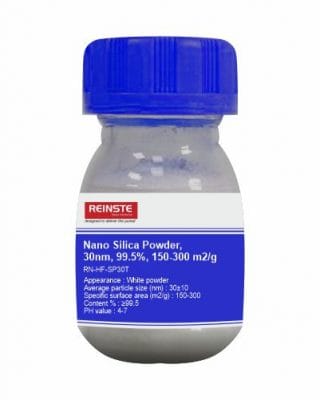
Explore Our Nano Silica Products
Reinste offers a range of high-quality nano silica products tailored for diverse research and industrial applications.


Ready to Elevate Your Nano Silica Research?
Connect with Reinste for high-quality nano silica materials, expert guidance, and support for your groundbreaking projects.
Contact Us Today