
Unlocking Efficiency: The Role of Nano Silica in Advanced Catalyst Support for Indian R&D
Explore how nano silica, with its exceptional properties, is revolutionizing catalyst design and performance, driving innovation in Indian research and industrial applications.
Learn MoreNano Silica for Catalyst Support: A Game-Changer for Indian R&D and Industry
In the rapidly evolving landscape of chemical processes and industrial manufacturing, catalysts play a pivotal role in driving efficiency, selectivity, and sustainability. For Indian researchers and professionals, the quest for superior catalytic materials is more critical than ever, especially with a growing focus on indigenous innovation and environmental responsibility. This is where nano silica for catalyst support emerges as a transformative material, offering unparalleled advantages over conventional supports.
Nano silica, or silica gel nanoparticles, refers to silicon dioxide particles with dimensions in the nanometer range (typically 1-100 nm). Its unique properties—including high surface area, tunable pore structure, thermal stability, and chemical inertness—make it an ideal candidate for enhancing catalytic activity and extending catalyst lifespan. From petrochemicals to pharmaceuticals, and from environmental remediation to renewable energy, the applications of nano silica are vast and continuously expanding, promising a new era of catalytic advancements in India.
This article delves into the science behind nano silica as a catalyst support, exploring its benefits, diverse applications, and the exciting opportunities and market trends for its production and utilization within the Indian context. We will also highlight key considerations for researchers and industries looking to harness the full potential of this remarkable nanomaterial.
Key Benefits of Nano Silica for Researchers and Professionals
- Enhanced Surface Area: Nano silica boasts an exceptionally high surface area, providing more sites for active catalyst components to disperse, leading to increased reaction rates and higher catalytic efficiency. This is crucial for optimizing various chemical processes.
- Tunable Pore Structure: Researchers can precisely control the pore size and distribution of silica gel nanoparticles, allowing for tailored diffusion pathways for reactants and products, which can significantly improve catalyst selectivity and reduce unwanted side reactions.
- Thermal Stability: Many catalytic reactions operate at high temperatures. Nano silica offers excellent thermal stability, preventing the degradation or sintering of the active catalyst material, thus extending its operational life.
- Chemical Inertness: Its chemical inertness ensures that the support material does not interfere with the catalytic reaction itself, providing a stable and reliable platform for diverse catalysts.
- Mechanical Strength: Despite its nanoscale, nano silica can provide good mechanical strength to the catalyst, resisting attrition and crushing, which is vital for industrial applications in packed-bed reactors.
- Cost-Effectiveness & Abundance: Silica is one of the most abundant materials on Earth, making nano silica production potentially more sustainable and cost-effective in the long run, especially for large-scale industrial applications in India.
- Versatility: Nano silica can be easily functionalized or modified to enhance its interaction with specific active catalyst components, offering versatility for a wide range of catalytic systems.
- Reduced Catalyst Loading: Due to its high efficiency, nano silica for catalyst support can potentially reduce the amount of expensive active catalyst material required, lowering overall production costs.
Diverse Industrial Applications of Nano Silica in Catalysis
Petrochemical & Refining
Nano silica is extensively used in various petrochemical processes, including fluid catalytic cracking (FCC), hydrocracking, and hydrogenation. Its ability to improve catalyst stability and selectivity leads to higher yields of desired products and reduced energy consumption.
Environmental Catalysis
For air and water pollution control, nano silica for catalyst support is vital. It's used in catalytic converters for automotive emissions, NOx reduction, and the degradation of organic pollutants in wastewater, contributing to a cleaner environment.
Fine Chemicals & Pharmaceuticals
In the synthesis of fine chemicals and active pharmaceutical ingredients (APIs), highly selective catalysts are crucial. Nano silica provides a stable platform for these reactions, enabling the efficient production of complex molecules with high purity.
Energy & Fuel Cells
Nano silica applications extend to renewable energy, particularly in the development of more efficient catalysts for fuel cells, biomass conversion, and hydrogen production, supporting India's push towards sustainable energy solutions.
Polymerization
As a support for Ziegler-Natta and other polymerization catalysts, nano silica helps control polymer morphology and molecular weight distribution, leading to improved material properties for various plastics and composites.
Advanced Materials
Beyond traditional catalysis, nano silica is also integrated into advanced materials like nano silica in coatings and nano silica for concrete, where its unique properties contribute to enhanced durability and performance, often through catalytic surface modifications.
India-Specific Opportunities and Emerging Trends in Nano Silica
The Indian market for advanced materials, particularly nanomaterials, is experiencing robust growth. With increasing investments in R&D, a strong manufacturing base, and a growing emphasis on green technologies, the demand for nano silica and its specialized applications is set to soar. Indian researchers and industries are actively exploring new nano silica applications to address local challenges and global demands.
Key Trends Driving Nano Silica Adoption in India:
- Sustainable Chemistry: There's a significant push towards developing sustainable catalytic processes. Nano silica for catalyst support enables greener synthesis routes by improving efficiency and reducing waste, aligning with India's environmental goals.
- Indigenous Production & Innovation: The "Make in India" initiative is fostering local nano silica production and research into novel synthesis methods, reducing reliance on imports and boosting domestic expertise.
- Diversified Applications: Beyond traditional catalysis, the use of silica gel nanoparticles is expanding into sectors like nano silica in pharmaceuticals for drug delivery and diagnostics, and nano silica for concrete to enhance structural integrity.
- Market Growth: The overall nano silica market trends indicate a steady upward trajectory, driven by demand from various end-use industries. This presents significant opportunities for nano silica suppliers and manufacturers in India.
- Advanced Material Development: Collaboration between academia and industry is accelerating the development of highly specialized nano silica in coatings for enhanced durability and protective properties, and other high-performance materials.
For Indian researchers, focusing on the synthesis of tailored silica gel nanoparticles with specific surface functionalities and pore architectures can open doors to highly efficient and selective catalytic systems. The integration of AI and machine learning in catalyst design, combined with advanced characterization techniques, further enhances the potential for groundbreaking discoveries using nano silica as a foundational material.
Frequently Asked Questions about Nano Silica for Catalyst Support
What makes nano silica an ideal catalyst support material?
How does nano silica compare to traditional catalyst supports?
What are the primary applications of nano silica for catalyst support in India?
Are there specific types of nano silica used for different catalytic reactions?
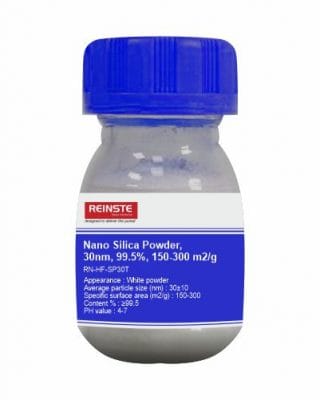


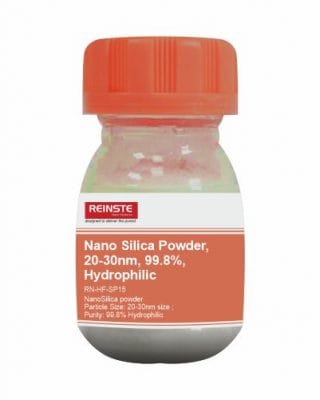
Advance Your Research with High-Quality Nano Silica
Ready to explore the full potential of nano silica for your catalytic applications? Partner with Reinste for cutting-edge materials and expert support.
Get in Touch Today