Unlocking Agricultural Potential: The Power of Nano Silica for Soil Amendment in India
Discover how cutting-edge nano silica technologies are transforming soil health and crop productivity, offering sustainable solutions for Indian agriculture, researchers, and professionals.
Explore Nano Silica SolutionsIntroduction: Revolutionizing Indian Agriculture with Nano Silica
India's agricultural sector, the backbone of its economy, faces persistent challenges ranging from soil degradation and water scarcity to nutrient deficiencies and climate change impacts. Ensuring food security for a burgeoning population while maintaining ecological balance requires innovative and sustainable solutions. This is where the remarkable potential of nano silica for soil amendment comes into play. As a cutting-edge nanomaterial, nano silica offers a paradigm shift in how we approach soil health and crop productivity. Its unique properties at the nanoscale allow for unprecedented interactions with soil particles and plant systems, promising a new era of efficient and eco-friendly farming practices.
For Indian researchers and professionals, understanding and harnessing the capabilities of nano silica in agriculture is not just an academic pursuit; it's a strategic imperative. The finely engineered particles of nano silica, often in the range of 1 to 100 nanometers, present an immense surface area and reactivity. This allows them to significantly enhance nutrient availability, improve water retention, and bolster plant resilience against various environmental stressors. Unlike traditional soil amendments, nano silica operates at a molecular level, offering precision and efficiency that can lead to substantial improvements in crop yield and quality, all while minimizing environmental footprints.
This blog delves deep into the multifaceted aspects of nano silica for soil improvement, exploring its scientific basis, practical applications, and the immense benefits it brings to the agricultural landscape, particularly in the Indian context. We will examine how these tiny particles are poised to make a monumental impact on sustainable farming, offering viable pathways to address some of the most pressing agricultural challenges faced by the nation today.
Key Benefits of Nano Silica for Researchers and Farmers
The introduction of nano silica into agricultural practices unlocks a cascade of advantages, fundamentally altering plant-soil interactions for the better. These benefits of nano silica are particularly appealing for researchers seeking sustainable solutions and farmers aiming for higher yields and reduced input costs.
-
Enhanced Nutrient Uptake and Efficiency
Nano silica particles, with their high surface area, can chelate essential nutrients like phosphorus, nitrogen, and potassium, preventing their leaching and making them more available for plant absorption. This leads to significantly improved nutrient use efficiency, reducing the need for excessive synthetic fertilizers. Researchers have observed that nano silica uses in nutrient delivery mechanisms lead to healthier, more robust plants.
-
Improved Water Retention and Drought Resilience
In arid and semi-arid regions of India, water scarcity is a critical issue. Nano silica can significantly improve the soil's water-holding capacity by forming a network that traps moisture, making it available to plants for longer durations. This directly contributes to enhanced drought tolerance, a crucial aspect of climate-resilient agriculture. The application of nano silica for soil amendment helps crops withstand prolonged dry spells.
-
Strengthening Plant Defense Mechanisms
Silicon, in its nano form, plays a vital role in strengthening plant cell walls, making them more resistant to pest attacks and fungal diseases. It also helps plants cope with abiotic stresses like salinity, heavy metal toxicity, and extreme temperatures. This natural defense boost reduces reliance on chemical pesticides and fungicides, promoting healthier ecosystems and safer food.
-
Optimizing Soil Structure and Health
Beyond direct plant benefits, nano silica for soil improvement contributes to overall soil health. It can improve soil aggregation, enhance aeration, and create a more favorable environment for beneficial soil microorganisms. This leads to a more fertile and resilient soil ecosystem, crucial for long-term agricultural productivity.
-
Sustainable and Eco-Friendly Approach
By reducing the need for synthetic fertilizers and pesticides, nano silica promotes a more sustainable and environmentally friendly agricultural model. Its application minimizes chemical runoff, preserves soil biodiversity, and contributes to a healthier planet, aligning perfectly with India's goals for sustainable development.
Diverse Applications of Nano Silica in Indian Agriculture
The versatility of nano silica in agriculture extends across various applications, each promising significant advancements in different facets of farming. Its adaptability makes it a valuable tool for addressing specific challenges in diverse agricultural systems.
Crop-Specific Enhancements
Nano silica can be tailored for specific crops, optimizing their growth and yield. For staple crops like rice and wheat, it enhances nutrient uptake and stress tolerance, crucial for India's food security. In horticulture, for fruits and vegetables, it improves quality, shelf life, and resistance to post-harvest diseases. Researchers are actively studying the optimal nano silica uses for various Indian crops.
Soil Remediation and Rehabilitation
Many agricultural lands in India suffer from heavy metal contamination, salinity, and nutrient depletion. Nano silica acts as an effective agent for soil remediation, binding to heavy metals and reducing their bioavailability to plants. It also helps in improving the physical and chemical properties of degraded soils, making them fertile again for cultivation. This is a critical application for nano silica for soil improvement in affected regions.
Seed Treatment and Germination Enhancement
Applying nano silica as a seed treatment can significantly improve germination rates and early seedling vigor. The nano-sized particles can penetrate seed coats, providing essential silicon and enhancing the seedling's initial defense mechanisms against pathogens and environmental stresses, giving crops a stronger start.
Hydroponics and Controlled Environment Agriculture
In advanced farming systems like hydroponics, nano silica can be incorporated into nutrient solutions to provide silicon directly to plants, which is often lacking in these systems. This enhances plant health, yield, and resilience in controlled environments, opening new avenues for urban farming and specialized crop production.
India's Nano Silica Landscape: Opportunities and Future Trends
The adoption of nano silica for soil amendment in India is poised for significant growth, driven by a confluence of factors including increasing awareness, government support for sustainable agriculture, and a robust research and development ecosystem. Indian agricultural scientists and entrepreneurs are keenly exploring the potential of nano silica in agriculture to address local challenges and enhance global competitiveness.
One of the major trends is the focus on indigenous production and innovation. While there are global nano silica suppliers, India is seeing a rise in local manufacturing and research, aiming to develop cost-effective and highly efficient nano silica products tailored to diverse Indian soil types and climatic conditions. Research institutions are actively investigating the optimal particle sizes, concentrations, and application methods to maximize the benefits of nano silica for various crops, from paddy fields to tea plantations.
Furthermore, the integration of nano silica with other advanced agricultural technologies, such as precision farming and IoT-enabled monitoring, presents vast opportunities. Imagine smart farms where nano silica application is precisely controlled based on real-time soil data, leading to unprecedented efficiency and minimal waste. The demand for high-quality nano silica powder with specific nano silica properties is also on the rise, catering to specialized applications beyond just soil amendment, including its use in advanced fertilizers and pesticides.
The future of nano silica for soil improvement in India looks promising, with increasing investments in research, pilot projects, and farmer education programs. As the scientific understanding deepens and commercial applications become more widespread, nano silica is set to become a cornerstone of India's journey towards a more productive, resilient, and sustainable agricultural future.
Frequently Asked Questions about Nano Silica in Agriculture
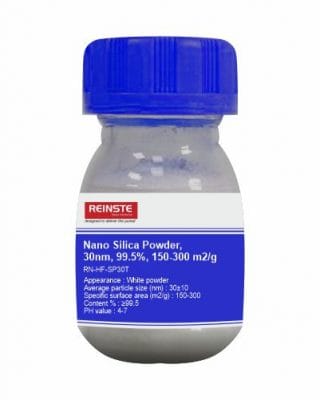
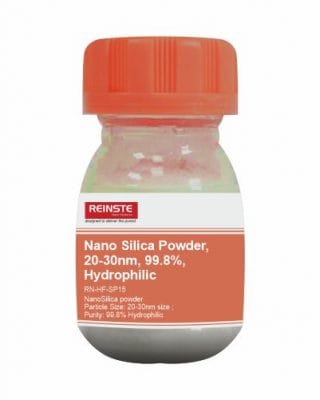
Explore Our Nano Silica Products for Agriculture


Ready to Transform Your Agricultural Research or Practice?
Connect with our experts to discover how Reinste's cutting-edge nano silica solutions can elevate your projects and contribute to a sustainable agricultural future.
Contact Us Today