
Navigating Nano Silica Regulations: A Comprehensive Guide for Indian Researchers and Professionals
Explore the critical regulatory landscape surrounding nano silica in India, ensuring safe innovation and compliant applications for advanced materials.
Learn MoreIntroduction: The Growing Importance of Nano Silica Regulations in India
Nano silica, also known as silica nanoparticles, represents a revolutionary class of materials with unparalleled properties that are transforming industries worldwide. From enhancing the durability and performance of concrete in large-scale infrastructure projects to improving the efficacy and texture of cosmetic products, and enabling advanced electronic components, the applications of nano silica are vast, diverse, and continually expanding. These minuscule particles, typically ranging from 1 to 100 nanometers in at least one dimension, exhibit unique characteristics such as high surface area, tunable porosity, and exceptional mechanical strength, which are not observed in their bulk counterparts. This makes them incredibly valuable for innovation across various sectors.
In India, a nation rapidly advancing in scientific research, technological innovation, and industrial development, the adoption and development of cutting-edge nanomaterials like nano silica are surging. The government's push for "Make in India" and increased investment in R&D have further accelerated the interest in nanotechnology. However, with this rapid growth and the promise of transformative applications comes the paramount need for a robust understanding and adherence to stringent regulatory frameworks. The potential for novel applications is immense, offering solutions to long-standing industrial challenges and opening new avenues for product development. Yet, equally significant is the responsibility to ensure the safety of these materials for human health, occupational well-being, and the environment throughout their lifecycle – from production and handling to application and disposal.
This comprehensive guide aims to provide Indian researchers, manufacturers, policymakers, and professionals with an in-depth overview of the intricate nano silica regulatory landscape. We will delve into critical aspects such as nano silica compliance requirements, the evolving nano silica safety standards, and the broader regulatory framework for nano silica. Understanding and proactively navigating these guidelines is not merely about fulfilling legal obligations; it is fundamentally about fostering sustainable innovation, ensuring seamless market access for products, and building unwavering public trust in the incredible and often misunderstood potential of silica nanoparticles. As India strategically positions itself as a global leader in nanotechnology, adopting a proactive, informed, and responsible approach to the nano material regulatory landscape becomes an indispensable factor for both domestic growth and international competitiveness. This blog post will serve as a vital resource for anyone involved in the research, development, or commercialization of nano silica within the Indian context.
Benefits of Understanding Nano Silica Regulatory Compliance
- **Ensured Safety and Health**: Compliance with nano silica safety standards directly contributes to the well-being of laboratory personnel, industrial workers, and end-users, mitigating potential health risks associated with nanoparticle exposure.
- **Environmental Protection**: Following regulatory guidelines helps in minimizing the environmental impact of nano silica production and disposal, promoting sustainable research and industrial practices.
- **Enhanced Market Access**: Products containing compliant silica nanoparticles are more likely to gain acceptance in both domestic and international markets, including regions with stringent nano material regulatory landscape.
- **Boosted Innovation and Research Integrity**: A clear understanding of the regulatory framework for nano silica allows researchers to innovate responsibly, focusing on safe-by-design principles and accelerating the development of novel applications without regulatory hurdles.
- **Reduced Legal and Financial Risks**: Adherence to nano silica regulatory compliance requirements helps avoid costly penalties, legal disputes, and product recalls, safeguarding an organization's reputation and financial stability.
- **Improved Public Trust**: Demonstrating a commitment to safety and compliance builds confidence among consumers, investors, and the public regarding the responsible development and use of nano silica.
- **Competitive Advantage**: Companies and research institutions that proactively manage nano silica safety and compliance can differentiate themselves, attracting partnerships and funding opportunities in the growing nanotechnology sector.
- **Facilitated International Collaboration**: Alignment with global nano material regulatory landscape standards simplifies cross-border research projects and commercial ventures.
Diverse Applications of Silica Nanoparticles and Their Regulatory Impact
Construction and Infrastructure
Nano silica for concrete significantly enhances strength, durability, and resistance to chemical attacks. In India's booming infrastructure sector, ensuring the safe handling and incorporation of silica nanoparticles in construction materials is crucial for worker safety and long-term structural integrity. Regulatory bodies often focus on airborne particle exposure during mixing and application.
Cosmetics and Personal Care
Nano silica in cosmetics acts as a thickening agent, abrasive, or opacifier. Its use in sunscreens, toothpastes, and makeup requires strict adherence to regulations concerning particle size, purity, and potential skin penetration. Indian cosmetic manufacturers must navigate specific guidelines on nanomaterial labeling and safety assessments to ensure consumer protection.
Paints and Coatings
Adding silica nanoparticles to paints and coatings improves scratch resistance, UV stability, and anti-corrosion properties. The regulatory framework for nano silica in this sector often addresses occupational exposure during manufacturing and application, as well as environmental release during product lifecycle.
Electronics and Optoelectronics
Nano silica finds applications in semiconductors, optical fibers, and display technologies due to its insulating and optical properties. Precision in manufacturing and strict quality control are paramount, alongside compliance with regulations on hazardous substances in electronic equipment.
Healthcare and Medicine
In drug delivery systems, medical imaging, and diagnostics, nano silica's biocompatibility and surface functionalization capabilities are exploited. The nano silica regulatory compliance requirements in this highly sensitive sector are among the most rigorous, demanding extensive toxicology studies and clinical trials to ensure patient safety.
Textiles
Nano silica for textiles can impart water repellency, stain resistance, and UV protection. Manufacturers must ensure that the nanoparticles are safely bound within the fabric and do not leach out, adhering to regulations on chemical safety in textiles and consumer product safety.
Agriculture
As a carrier for pesticides or a soil additive, silica nanoparticles can improve crop yield and plant health. Regulations here focus on environmental impact, potential for bioaccumulation, and food safety standards. Research into the long-term effects on soil microbiome and plant physiology is ongoing and critical for regulatory approval.
India's Nano Silica Landscape: Opportunities and Evolving Trends
The landscape of nano silica in India is characterized by dynamic growth, presenting both unique opportunities for innovation and evolving regulatory challenges that demand careful consideration. India's burgeoning research and development sector, supported by a vast pool of scientific talent and increasing government funding, coupled with strategic initiatives promoting indigenous manufacturing and technological advancement, is fueling significant interest and investment in silica nanoparticles. There's a growing emphasis across the nation on developing sustainable, eco-friendly, and cost-effective methods for nano silica production, driven by the escalating demand across various industrial applications. This focus aligns with global efforts towards green chemistry and sustainable nanotechnology.
Indian researchers, often collaborating with international counterparts, are actively exploring novel nano silica properties and their potential for applications tailored specifically to local needs and challenges. This ranges from enhancing traditional building materials to withstand diverse Indian climates, to developing advanced agricultural solutions for improved food security, and creating innovative water purification technologies. This surge in scientific exploration and industrial innovation necessitates the establishment of a robust, transparent, and clear nano material regulatory landscape. The Bureau of Indian Standards (BIS), along with other key regulatory bodies such as the Ministry of Environment, Forest and Climate Change (MoEFCC), the Department of Biotechnology (DBT), and the Ministry of Health and Family Welfare, are continuously working towards establishing comprehensive guidelines for the safe handling, manufacturing, characterization, and application of nanomaterials. This includes defining specific nano silica safety standards for occupational health, ensuring worker protection in manufacturing units, and establishing environmental protection protocols to prevent adverse ecological impacts.
A key and encouraging trend in India is the proactive push towards harmonizing national nano silica regulations with established international standards and best practices, particularly those set by organizations like the Organisation for Economic Co-operation and Development (OECD) and the European Union's REACH (Registration, Evaluation, Authorisation and Restriction of Chemicals) framework. This harmonization effort is crucial for facilitating global trade, fostering international research collaborations, and ensuring that Indian products meet global quality and safety benchmarks. It involves adopting best practices for risk assessment and management of silica nanoparticles, focusing on a lifecycle approach. Furthermore, the analysis of market trends indicates a significant and sustained growth in demand for specialized variants of nano silica. This includes surface-treated nano silica for enhanced compatibility with specific matrices, and those optimized for niche applications such like high-performance nano silica in cosmetics or advanced nano silica for concrete, and even for specialized coatings and catalytic processes.
Opportunities also lie in the development and adoption of advanced characterization techniques for nano silica. Accurate and standardized characterization is not only crucial for quality control in manufacturing but also a fundamental requirement for regulatory compliance and risk assessment. Indian institutions are making substantial investments in state-of-the-art infrastructure to support advanced materials research, thereby creating a fertile ground for both academic exploration and the industrial scale-up of nano silica production. As the scientific understanding of nano silica properties deepens and new applications emerge, so too will the sophistication and specificity of the nano silica regulatory compliance requirements. The overarching focus remains on striking a delicate and effective balance between fostering groundbreaking innovation and upholding environmental and human health responsibility, thereby ensuring that the multifaceted benefits of nano silica are realized safely, ethically, and sustainably across the vast and diverse Indian subcontinent. This strategic approach will pave the way for India to become a responsible global leader in nanotechnology.
Frequently Asked Questions About Nano Silica Regulations
Explore Our Related Nano Silica Products
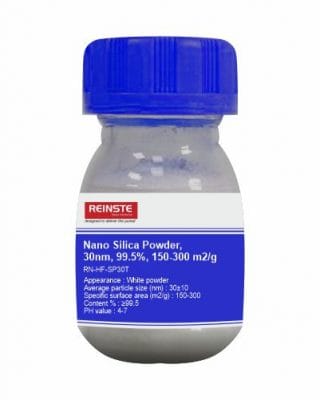


Ready to ensure your nano silica applications are fully compliant and safe?
Explore our range of high-quality nano silica products and expert consultation services today.
Contact Us Now