
Nano Silica: Unlocking Innovation for Indian Research and Industry
Discover the transformative potential of nano silica in various sectors, from advanced drug delivery to sustainable materials, and explore its growing significance for Indian professionals and researchers.
Explore Nano Silica SolutionsThe Dawn of Nano Silica: A Game Changer for Indian R&D and Industry
In the dynamic landscape of materials science and nanotechnology, nano silica stands out as a truly revolutionary material. Comprising silicon dioxide nanoparticles, typically ranging from 1 to 100 nanometers in size, nano silica boasts an extraordinary combination of properties that make it indispensable for cutting-edge research and industrial applications. Its high surface area-to-volume ratio, tunable porosity, excellent mechanical strength, and inherent biocompatibility open up a plethora of possibilities across various sectors.
For Indian researchers and professionals, the emergence of nano silica signifies a new era of innovation. As India continues its rapid ascent in global scientific and technological domains, the demand for advanced materials that can enhance performance, reduce costs, and promote sustainability is ever-increasing. Nano silica perfectly aligns with these national priorities, offering solutions that drive progress in fields critical to India\'s growth, including healthcare, construction, electronics, and environmental protection. This versatile material is not just an academic curiosity; it\'s a practical tool poised to transform industries and elevate India\'s position in the global innovation ecosystem.
The unique characteristics of nano silica, such as its ability to be easily functionalized, allow for tailored applications, making it a highly adaptable component in complex systems. From enhancing the efficacy of drug delivery systems to improving the durability of infrastructure, nano silica is at the forefront of materials innovation, promising a future where performance and sustainability go hand in hand.
Unlocking Potential: Key Benefits of Nano Silica for Researchers
- Enhanced Drug Delivery Efficiency: Nano silica enables precise targeting and controlled release of therapeutic agents, significantly improving drug efficacy and patient outcomes, particularly crucial for complex diseases.
- Improved Material Strength & Durability: Incorporating nano silica into composites, concrete, and polymers dramatically increases their mechanical strength, hardness, and resistance to wear and tear, leading to longer-lasting products.
- Advanced Catalytic Activity: The high surface area and modifiable surface of nano silica provide excellent platforms for catalysts, boosting reaction rates and selectivity in various chemical processes, including green chemistry applications.
- Superior Adsorption Capabilities: Its porous structure makes nano silica an exceptional adsorbent for removing pollutants, heavy metals, and organic contaminants from water and air, vital for environmental remediation efforts.
- Biocompatibility for Biomedical Applications: Certain forms of nano silica are highly biocompatible, making them ideal for developing advanced biosensors, imaging agents, and scaffolds for tissue engineering, paving the way for next-generation medical solutions.
- Cost-Effective Industrial Solutions: By improving product performance and longevity, nano silica can lead to significant cost savings in manufacturing and maintenance across diverse industrial sectors.
- Contribution to Sustainable Technologies: Its role in water purification, energy storage, and efficient material usage positions nano silica as a key component in developing environmentally friendly and sustainable innovations.
- Versatility in Surface Modification: Researchers can easily modify the surface of nano silica to achieve specific functionalities, allowing for tailored interactions with other materials or biological systems, expanding its utility.
Transformative Applications of Nano Silica Across Industries
Drug Delivery Systems
Nano silica is revolutionizing pharmaceuticals by enabling targeted drug delivery, controlled release of active compounds, and enhanced bioavailability. Its porous structure can encapsulate drugs, protecting them until they reach the intended site, minimizing side effects, and improving therapeutic outcomes, especially for cancer therapies and chronic disease management.
Biomedical Devices & Diagnostics
From advanced biosensors for early disease detection to scaffolds for tissue engineering and contrast agents for medical imaging, nano silica\'s biocompatibility and tunable properties make it a cornerstone in developing next-generation medical devices and diagnostic tools.
Catalysis & Green Chemistry
The high surface area of nano silica provides an ideal support for catalysts, enhancing their efficiency and selectivity in various chemical reactions. It plays a crucial role in green chemistry by facilitating more sustainable industrial processes, reducing waste, and improving energy efficiency.
Coatings & Composites
Incorporating nano silica into paints, coatings, and composite materials imparts superior properties suchs as increased hardness, scratch resistance, UV protection, anti-corrosion, and self-cleaning capabilities. This extends the lifespan of products and reduces maintenance needs in sectors like automotive, construction, and aerospace.
Water Treatment & Environmental Remediation
Nano silica\'s excellent adsorption properties are invaluable in water purification. It effectively removes heavy metals, organic pollutants, dyes, and bacteria from wastewater, contributing to cleaner water resources and addressing critical environmental challenges faced globally, including in India.
Agriculture & Food Packaging
In agriculture, nano silica can be used for controlled release of fertilizers and pesticides, improving crop yield and reducing environmental impact. In food packaging, it enhances barrier properties, extending shelf life and ensuring food safety.
Nano Silica in India: Emerging Opportunities and Future Trends
India is rapidly emerging as a global hub for scientific research and technological innovation, and nano silica is at the forefront of this transformation. The nation\'s robust R&D ecosystem, coupled with governmental initiatives like \'Make in India\' and \'Digital India\', is creating fertile ground for advancements in nanotechnology. Indian researchers and industries are increasingly exploring the vast potential of nano silica, particularly in areas like nano silica in drug delivery, advanced materials, and sustainable solutions.
Key trends indicate a significant surge in research on nano silica applications. Academic institutions and private sector players are collaborating to develop novel products, ranging from high-performance concrete additives using nano silica for concrete to sophisticated biomedical implants. The demand for high-quality nano silica powder and nano silica gel is on the rise, driven by these innovative applications. Furthermore, the focus on environmental sustainability is propelling the use of nano silica in water purification and waste management, addressing critical national challenges.
The Indian market for nanotechnology, including nano silica, is projected to grow substantially, fueled by increasing investment in R&D and a burgeoning startup culture. This growth presents immense opportunities for nano silica suppliers and manufacturers to cater to diverse industrial needs. Understanding the unique nano silica properties, such as particle size, surface area, and purity, is crucial for tailoring products to specific requirements, ensuring optimal performance and safety.
As India continues its journey towards becoming a global innovation leader, the strategic integration of advanced materials like nano silica will be paramount. The ongoing research into the nano silica benefits across various sectors positions it as a key enabler for future economic growth and technological self-reliance. Indian professionals are encouraged to stay abreast of the latest nano silica market trends and leverage this versatile material to create impactful and sustainable solutions.
Frequently Asked Questions about Nano Silica
Nano silica, or silicon dioxide nanoparticles, are ultrafine particles of silica with dimensions typically ranging from 1 to 100 nanometers. They possess unique physical and chemical properties due to their high surface area-to-volume ratio, tunable porosity, and biocompatibility, making them highly versatile for various applications.
Key properties include high surface area, excellent mechanical strength, chemical inertness, thermal stability, optical transparency, and biocompatibility. Their surface can also be easily modified to achieve specific functionalities, such as hydrophilicity or hydrophobicity.
In drug delivery, nano silica acts as a highly efficient carrier for therapeutic agents. Its porous structure allows for high drug loading, while its small size enables targeted delivery to specific cells or tissues, improving bioavailability and reducing side effects. It\'s used for controlled release, gene therapy, and theranostics.
In India, nano silica finds applications in diverse industries. It enhances the strength and durability of concrete and construction materials, improves the performance of coatings and composites, acts as a catalyst in chemical processes, and is crucial in the development of advanced biomedical devices and water purification systems.
Many forms of nano silica exhibit good biocompatibility and low toxicity, making them suitable for biomedical applications. However, safety depends on particle size, surface chemistry, concentration, and specific application. Extensive research and regulatory guidelines ensure their safe use in vivo.
Indian researchers can source high-quality nano silica from specialized chemical suppliers, nanotechnology product manufacturers, and distributors that cater to the R&D sector. Platforms like Hiyka.com often list a wide range of nano silica products with varying specifications to meet diverse research needs.
Explore Our Nano Silica Products
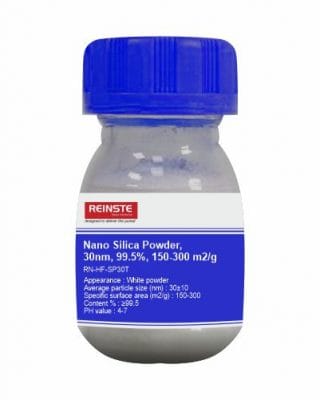
Nano Silica Powder, 30nm, 99.5%, 150-300 m2/g
View Product
Nano Silica Powder, 30nm, 99.5%, surface treated
View Product
Nano Silica Powder, 5-40nm, 99.8%
View Product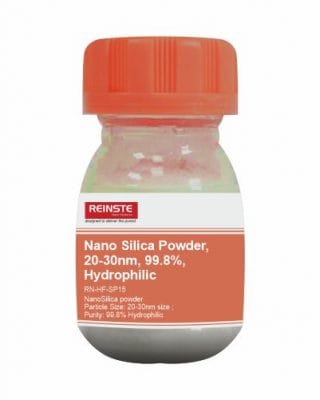
Nano Silica Powder, 20-30nm, 99.8%, Hydrophilic
View ProductReady to integrate nano silica into your next breakthrough project?
Contact us today to discuss your specific requirements and explore our range of high-quality nano silica products tailored for Indian research and industry.
Get in Touch