
Nano Silica: Unlocking Advanced Applications for Indian R&D and Industry
Discover how the unique properties of nano silica are revolutionizing materials science and paving the way for groundbreaking innovations across various sectors in India.
Explore Nano Silica SolutionsThe Dawn of Nanotechnology: Nano Silica's Impact on Indian Innovation
In the rapidly evolving landscape of materials science and engineering, nano silica stands out as a fundamental building block for future innovations. Its exceptional characteristics, derived from its nanoscale dimensions, are opening new frontiers for research and industrial applications, particularly within India's burgeoning R&D sector and diverse manufacturing industries. As Indian researchers and professionals increasingly look towards advanced materials for sustainable and high-performance solutions, understanding the profound impact of nano silica becomes paramount.
Nano silica, essentially silicon dioxide (SiO2) in its ultrafine form, possesses a remarkably high surface area-to-volume ratio, leading to enhanced reactivity and unique physical and chemical properties compared to its bulk counterpart. These distinct nano silica properties include superior mechanical strength, excellent thermal stability, chemical inertness, and tunable surface chemistry. Such attributes make it an indispensable component in a wide array of products and processes, from reinforcing composites to acting as a catalyst in complex chemical reactions.
The relevance of nano silica for India is multifaceted. With a strong emphasis on 'Make in India' and self-reliance in advanced materials, local expertise in synthesizing, characterizing, and applying nano silica is crucial. Indian industries, ranging from construction and automotive to electronics and healthcare, are actively exploring how the strategic incorporation of nano silica can lead to more efficient, durable, and environmentally friendly products. This introductory overview aims to shed light on the transformative potential of nano silica uses and its pivotal role in shaping India's technological future.
Moreover, the versatility of nano silica extends to critical environmental challenges. For instance, its application in advanced filtration systems and as an adsorbent for pollutants underscores its role in sustainable development. The ability to modify its surface allows for tailored interactions, making it suitable for specialized applications such as drug delivery systems or as an anti-corrosion agent. This deep dive into nano silica is designed to be informative and engaging for Indian researchers and professionals seeking to harness the power of nanotechnology.
Why Nano Silica is a Game-Changer: Key Advantages for Researchers
For researchers and professionals in India, the adoption of nano silica offers a multitude of compelling advantages that can significantly enhance product performance, process efficiency, and lead to novel material discoveries. The unique characteristics of these nanoparticles translate directly into tangible benefits across various scientific and industrial domains:
- Enhanced Material Strength and Durability: Incorporating nano silica into cement, concrete, and other construction materials dramatically improves their compressive strength, flexural strength, and resistance to wear and tear. This is crucial for infrastructure projects demanding longevity and resilience against harsh environmental conditions.
- Improved Surface Properties: Nano silica can confer superior surface characteristics such as increased hardness, scratch resistance, and hydrophobicity. This is particularly beneficial for coatings, paints, and textile applications, where protection against moisture, abrasion, and chemicals is desired.
- Advanced Catalytic Activity and Adsorption Capabilities: Due to its high surface area and modifiable surface chemistry, nano silica acts as an excellent support for catalysts, enhancing reaction rates and selectivity. Its porous structure also makes it an effective adsorbent for heavy metals, dyes, and other pollutants, proving invaluable in nano silica for recycling processes and wastewater treatment.
- Biocompatibility and Biomedical Applications: Certain forms of nano silica exhibit good biocompatibility, making them suitable for applications in drug delivery systems, bioimaging, and tissue engineering. Researchers are exploring its potential for targeted therapeutic interventions and diagnostic tools.
- Versatility Across Various Industries: From reinforcing polymers and rubbers to stabilizing emulsions and suspensions, the adaptability of nano silica allows its integration into a wide array of products. This versatility reduces the need for multiple specialized additives, streamlining manufacturing processes.
- Thermal Stability and Insulation: Nano silica possesses excellent thermal insulation properties, making it valuable in high-temperature applications and energy-efficient materials. It can help reduce heat transfer, contributing to energy savings in buildings and industrial processes.
- Optical Clarity and UV Protection: When dispersed correctly, nano silica can maintain the optical transparency of materials while offering UV blocking properties, useful in clear coatings, sunscreens, and protective films.
- Reduced Material Consumption: Often, a smaller amount of nano silica is required to achieve significant improvements compared to conventional fillers, leading to more efficient use of resources and potentially lower material costs.
These nano silica benefits underscore why it has become a focal point for advanced research and development, promising to drive innovation and create superior products for the Indian market and beyond.
Diverse Nano Silica Applications Across Indian Industries
Construction & Infrastructure
Nano silica is a game-changer in the construction sector, enhancing the performance of concrete, cement, and mortar. Its pozzolanic activity and filler effect lead to denser, stronger, and more durable structures with improved resistance to chemical attack and freeze-thaw cycles. This is particularly vital for India's rapidly expanding infrastructure projects, ensuring longevity and reduced maintenance costs. It also finds use in high-performance coatings and sealants.
Paints & Coatings
In paints and coatings, nano silica applications contribute to superior scratch resistance, improved hardness, enhanced UV stability, and anti-corrosion properties. It allows for the formulation of durable, long-lasting coatings for automotive, industrial, and architectural uses, providing better protection and aesthetic appeal. Its ability to maintain transparency is a significant advantage in clear coats.
Textiles & Fabrics
For the textile industry, nano silica enables the creation of functional fabrics. It can impart water-repellent, stain-resistant, wrinkle-free, and even flame-retardant properties. This innovation leads to high-performance textiles for sportswear, outdoor gear, and protective clothing, meeting the demands for advanced materials in the Indian market.
Polymers & Composites
As a reinforcing filler, nano silica significantly improves the mechanical properties of polymers and rubber, including tensile strength, tear resistance, and modulus. It is used in tire manufacturing, plastic components, and advanced composites, offering lightweight yet strong materials for automotive, aerospace, and consumer goods industries.
Biomedical & Healthcare
The biocompatibility and porous nature of nano silica make it an excellent candidate for biomedical applications. These include drug delivery systems, where it can encapsulate and release therapeutics in a controlled manner, as well as in bioimaging, biosensors, and tissue engineering scaffolds, pushing the boundaries of medical science.
Environmental & Recycling Processes
Nano silica plays a crucial role in environmental protection. Its high adsorption capacity makes it effective in water purification, removing heavy metals and organic pollutants. Furthermore, it is being explored in catalytic processes for waste treatment and nano silica for recycling processes, contributing to a circular economy and sustainable waste management solutions.
The Future of Nano Silica in India: Growth and Innovation
India's scientific and industrial landscape is witnessing a significant surge in nanotechnology research and adoption, with nano silica at the forefront. The country's robust economic growth, coupled with increasing investments in R&D, presents immense opportunities for the expansion and diversification of nano silica applications. Several key trends are shaping the future of this advanced material in the Indian context:
Growing Demand in Construction and Infrastructure
With massive government initiatives like 'Smart Cities Mission' and 'Housing for All,' the demand for high-performance, durable, and sustainable construction materials is escalating. Nano silica-modified concrete and coatings offer superior strength, reduced permeability, and extended service life, making them ideal for these ambitious projects. The nano silica in construction segment is poised for substantial growth, driven by both public and private sector investments.
Emphasis on Green Technology and Sustainability
India is increasingly committed to environmental sustainability. Nano silica's role in water purification, air filtration, and as a catalyst in various chemical processes aligns perfectly with this agenda. Its application in nano silica for recycling processes, particularly in recovering valuable materials from waste or treating industrial effluents, highlights its potential to contribute to a greener economy. This focus will drive innovation in eco-friendly nano silica production and application methods.
Advancements in Indigenous Research and Production
Indian research institutions and universities are actively engaged in synthesizing and characterizing nano silica with tailored properties. This indigenous research capability is vital for developing cost-effective and scalable nano silica production methods. Furthermore, the emergence of local nano silica suppliers and manufacturers is reducing reliance on imports, strengthening the domestic supply chain and fostering self-reliance in advanced materials.
Expansion into Niche and High-Value Markets
Beyond traditional applications, nano silica is finding its way into high-value niche markets. These include advanced electronics (as dielectric materials and encapsulants), specialized biomedical devices, and high-performance automotive components. The versatility and customizable nano silica properties allow for its integration into complex systems, catering to the evolving needs of these sophisticated industries.
Digitalization and Data-Driven Innovation
The integration of AI and machine learning in materials science is enabling faster discovery and optimization of nano silica formulations. Researchers are leveraging computational tools to predict material behavior and design novel structures with specific functionalities, accelerating the pace of innovation in the nano silica market.
The future of nano silica in India is bright, characterized by continuous innovation, increasing industrial adoption, and a strong commitment to sustainable development. As the understanding of nano silica reviews and research deepens, its transformative potential will continue to unlock new possibilities for Indian researchers and professionals, solidifying India's position in the global nanotechnology landscape.
Frequently Asked Questions about Nano Silica
Nano silica, also known as nanosilica or silicon dioxide nanoparticles, refers to silica particles with dimensions typically ranging from 1 to 100 nanometers. These ultra-fine particles exhibit unique physical and chemical properties due to their high surface area-to-volume ratio, making them highly reactive and versatile for various advanced applications.
Nano silica applications are vast and span multiple industries. Key uses include enhancing the strength and durability of concrete and construction materials, improving the performance of paints and coatings, acting as a reinforcing filler in polymers and rubber, enabling advanced drug delivery systems in biomedical fields, and contributing to environmental solutions like water purification and catalytic processes for recycling.
The key nano silica properties include a very high surface area, excellent mechanical strength, chemical inertness, high thermal stability, and tunable surface chemistry. These properties allow nano silica to significantly improve the hardness, wear resistance, anti-corrosion properties, and optical clarity of materials, while also offering possibilities for surface functionalization to achieve specific interactions.
Nano silica benefits industries by enabling the development of next-generation materials with superior performance. In construction, it leads to stronger, more durable concrete. In textiles, it creates water-repellent and stain-resistant fabrics. For electronics, it offers improved dielectric properties. Its high reactivity makes it crucial for catalysts and adsorbents, particularly beneficial in nano silica for recycling processes and other environmental applications, driving innovation and efficiency across sectors.
Finding reliable nano silica suppliers in India is crucial for researchers and industries. Organizations like Reinste and Hiyka are prominent suppliers offering a range of high-quality nano silica products with various specifications. It is recommended to check their product catalogs, inquire about purity, particle size, and surface modifications, and review their certifications to ensure the materials meet specific research or industrial requirements. Always prioritize suppliers with a strong track record and technical support.
Explore Our Range of Nano Silica Products
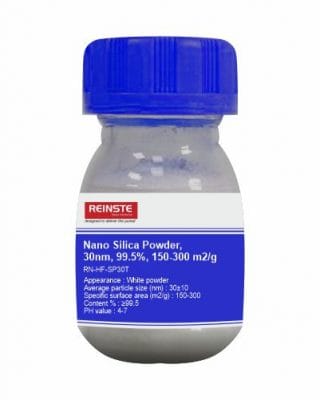
Discover high-quality nano silica powders tailored for various applications, enhancing your research and industrial needs.


Ready to Innovate with Nano Silica?
Partner with us to explore cutting-edge nano silica solutions for your research or industrial applications. Our experts are here to guide you.
Get in Touch Today