
Nano Silica: Revolutionizing Indian Research and Industry with Advanced Nanoparticles
Explore the transformative power of silica nanoparticles and their diverse applications across various sectors in India, from advanced materials to sustainable solutions.
Learn More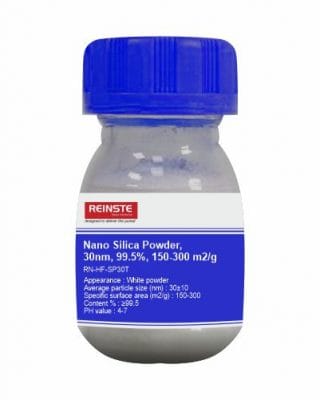
Introduction to Nano Silica's Impact in India
Nano silica, also known as silica nanoparticles, represents a groundbreaking frontier in material science, offering unparalleled properties that are revolutionizing various sectors globally. For Indian researchers and professionals, this advanced material presents immense opportunities to innovate, enhance product performance, and develop sustainable solutions. With its high surface area, unique optical, mechanical, and chemical characteristics, nano silica is becoming an indispensable component in cutting-edge research and industrial applications across India, driving advancements from construction to healthcare.
The burgeoning field of nanotechnology in India has placed a significant emphasis on materials like nano silica, recognizing its potential to address contemporary challenges and foster economic growth. Its fine particle size, typically ranging from 1 to 100 nanometers, grants it a significantly higher surface area-to-volume ratio compared to conventional silica, leading to enhanced reactivity and novel functionalities. This makes silica nanoparticles highly attractive for a multitude of applications where material properties need to be precisely controlled and optimized.
From reinforcing polymers to acting as a catalyst support, the versatility of nano silica is truly remarkable. Understanding the synthesis, characterization, and application of nano silica is therefore paramount for anyone involved in advanced materials research and development within the Indian context, aiming to leverage these innovations for national progress.
Key Benefits of Nano Silica for Indian Researchers & Professionals
- Enhanced Material Properties: Nano silica significantly improves the mechanical strength, durability, and thermal stability of various materials, including concrete, polymers, and composites. This leads to the creation of longer-lasting products and structures, reducing maintenance costs and resource consumption. For instance, in construction, adding nano silica to concrete can drastically increase its compressive strength and reduce permeability, making structures more resilient to harsh environmental conditions prevalent in many parts of India.
- Cost-Effectiveness and Efficiency: Despite being an advanced material, nano silica often offers superior performance at lower concentrations compared to traditional additives. This leads to material savings and improved process efficiency, providing an economical advantage for industries. Its high reactivity means less material is needed to achieve desired property enhancements.
- Environmental Applications: Nano silica plays a crucial role in various environmental remediation efforts. It acts as an excellent adsorbent for pollutants in water and wastewater treatment, effectively removing heavy metals, dyes, and organic contaminants. Furthermore, it serves as a support for catalysts in green chemistry, facilitating more environmentally friendly industrial processes.
- Advanced Coatings and Surface Modifications: The unique properties of silica nanoparticles enable the development of high-performance coatings that are scratch-resistant, anti-corrosive, self-cleaning, and even anti-reflective. These coatings find applications in automotive, architecture, and electronics, offering enhanced protection and functionality.
- Biomedical and Healthcare Innovations: Due to its biocompatibility and tunable surface chemistry, nano silica is extensively utilized in drug delivery systems, allowing for targeted and controlled release of therapeutic agents. It is also vital in bio-imaging, diagnostics, and as a component in biocompatible implants, paving the way for advanced medical solutions in India.
- Agricultural Enhancements: In agriculture, nano silica can improve soil quality, enhance nutrient delivery to plants, and act as an effective, environmentally friendly pesticide carrier. This contributes to increased crop yield and reduced reliance on harmful chemical pesticides, supporting sustainable agricultural practices crucial for India's food security.
- Textile Industry Advancements: Nano silica is incorporated into textiles to create fabrics with enhanced durability, water repellency, UV protection, and even anti-microbial properties. This allows for the production of smart textiles and high-performance apparel, meeting the evolving demands of the modern consumer market.
Diverse Applications of Nano Silica Across Indian Industries
Construction Sector
In India's booming construction sector, nano silica is a game-changer. Its inclusion in concrete and cement-based materials significantly enhances their mechanical strength, reduces porosity, and improves resistance to chemical attacks and freeze-thaw cycles. This leads to longer-lasting infrastructure like bridges, roads, and buildings, which is vital for a country undergoing rapid urbanization and development. Furthermore, it contributes to the production of high-performance, sustainable concrete, aligning with green building initiatives.
Automotive Industry
The Indian automotive industry, a global manufacturing hub, benefits immensely from nano silica. It is used in the production of 'green tires' to improve grip, reduce rolling resistance, and enhance fuel efficiency, contributing to lower carbon emissions. Nano silica-based coatings also provide superior scratch resistance and UV protection for vehicle exteriors, prolonging their aesthetic appeal and durability.
Electronics & Semiconductors
With India's growing electronics manufacturing capabilities, nano silica plays a critical role. It serves as an excellent dielectric material in microelectronics, enabling the miniaturization of components. In chemical-mechanical planarization (CMP), nano silica slurries are indispensable for polishing semiconductor wafers to achieve ultra-smooth surfaces, crucial for high-performance chips. Its application extends to advanced sensors and transparent conductive films.
Healthcare & Pharmaceuticals
India's pharmaceutical and healthcare sectors are leveraging nano silica for groundbreaking advancements. Its porous structure and biocompatibility make it an ideal candidate for targeted drug delivery systems, ensuring precise and controlled release of medications, thereby minimizing side effects and enhancing therapeutic efficacy. It is also used in advanced medical diagnostics, bio-imaging, and as a component in various biocompatible implants and prosthetics, aligning with the nation's focus on affordable and advanced healthcare solutions.
Agriculture & Food Science
For India's agriculture-dependent economy, nano silica offers innovative solutions. It can improve soil structure, enhance water retention, and facilitate the slow and controlled release of fertilizers and pesticides, optimizing nutrient absorption and reducing environmental impact. This leads to increased crop yields and improved food security. In food science, nano silica can be used in packaging to enhance barrier properties and extend shelf life.
Textile Industry
The Indian textile industry, a major employer and exporter, benefits from the integration of nano silica to produce smart and functional fabrics. Textiles treated with nano silica exhibit enhanced durability, water repellency, UV protection, and even anti-microbial properties, catering to the growing demand for high-performance and specialized apparel. This opens new avenues for technical textiles and value-added products.
Nano Silica Market: Opportunities and Future Trends in India
The nano silica market in India is experiencing robust growth, driven by increasing demand from diverse industries and a strong focus on indigenous research and development. Government initiatives promoting nanotechnology and advanced materials, coupled with a burgeoning manufacturing sector, are creating fertile ground for innovation. Indian researchers are actively exploring new nano silica production methods, including green synthesis routes that are environmentally friendly and cost-effective, and developing novel nano silica application tailored to local needs and global standards. The 'Make in India' initiative further encourages domestic production and innovation in this high-tech material sector.
Partnerships between academia and industry are fostering the commercialization of nano silica technologies, with a particular emphasis on sustainable and cost-effective solutions. Research institutions are collaborating with manufacturers to scale up production and integrate silica nanoparticles into existing product lines, bridging the gap between laboratory breakthroughs and industrial applications. Key trends include the development of specialized nano silica for specific applications like smart textiles, advanced composites for aerospace and defense, and environmental remediation technologies, positioning India as a significant player in the global nano silica landscape. The increasing demand for high-quality silica gel in various industrial processes, including desiccants and chromatography, further fuels the market.
Discussions around nano silica patent licensing agreements are also gaining traction, indicating a maturing market with increasing intellectual property focus. Indian companies and research organizations are actively filing patents and seeking licensing opportunities to protect their innovations and expand their market reach. As the country moves towards greater self-reliance and technological advancement, the nano silica uses are expected to diversify, creating new avenues for growth and innovation across various sectors. The abundant availability of raw materials like silica sand in India, coupled with advancements in processing technologies, provides a strong foundation for domestic nano silica production. Understanding and leveraging the unique nano silica properties is key to unlocking its full potential. This dynamic environment is attracting significant investment and fostering a vibrant ecosystem for nano silica suppliers and innovators alike, making India a hub for next-generation material science.
Frequently Asked Questions about Nano Silica
Nano silica, or silica nanoparticles, refers to silicon dioxide (SiO2) particles with dimensions typically ranging from 1 to 100 nanometers. These ultra-fine particles exhibit unique physical and chemical properties due to their high surface area-to-volume ratio, making them highly reactive and versatile.
Nano silica offers Indian industries a pathway to enhanced product performance, cost-efficiency, and sustainable innovation. From strengthening concrete in infrastructure projects to improving drug delivery systems in healthcare and boosting agricultural yields, nano silica applications are crucial for India's economic and technological advancement.
In India, nano silica finds widespread applications in construction (high-performance concrete), automotive (tires, coatings), electronics (dielectrics), healthcare (drug delivery), agriculture (soil enhancement), and textiles (functional fabrics). Its versatility makes it a key material across various manufacturing and R&D sectors.
Nano silica contributes to sustainability by enabling the development of more durable and long-lasting materials, reducing the need for frequent replacements. It also plays a role in environmental remediation, such as water purification and catalytic processes, and promotes resource efficiency in various industrial processes.
Future trends in India's nano silica sector include increased investment in research for novel synthesis methods, development of application-specific nano silica (e.g., for smart materials, energy storage), and a growing focus on sustainable and biocompatible nano silica variants. The market is also expected to see more collaborations between research institutions and industries, alongside an emphasis on intellectual property and nano silica patent licensing agreements.
Explore Our Nano Silica Products
Nano Silica Powder, 30nm, 99.5%, 150-300 m2/g
View Product
Nano Silica Powder, 30nm, 99.5%, surface treated
View Product
Nano Silica Powder, 30nm, 99.5%, for textiles
View Product
Nano Silica Powder, 5-40nm, 99.8%
View ProductReady to Innovate with Nano Silica?
Connect with our experts to discover how nano silica can transform your research and industrial applications.
Get in Touch Today