Nano Silica Price Per Kg: A Comprehensive Guide for Indian Researchers and Industries
Explore the critical aspects of nano silica, from its market pricing to diverse applications, offering invaluable insights for India's burgeoning R&D and industrial sectors.
Learn MoreUnveiling Nano Silica: A Game-Changer for Indian Innovation
In the dynamic landscape of materials science, nano silica, or silicon dioxide nanoparticles, stands out as a revolutionary material with unparalleled potential. Its unique properties, stemming from its nanoscale size, enable it to impart enhanced characteristics to a wide array of products and processes. For Indian researchers and professionals, understanding the intricacies of nano silica is not just an academic exercise but a strategic imperative. This comprehensive guide aims to demystify nano silica price per kg, shed light on its myriad nano silica uses, and identify reliable nano silica suppliers within and beyond India, empowering the nation's scientific and industrial advancements.
The journey into nanotechnology has opened doors to innovations previously unimaginable. Nano silica, with its high surface area, tunable pore size, and exceptional chemical stability, is at the forefront of this revolution. From reinforcing concrete to enabling advanced drug delivery systems, its applications are as diverse as they are impactful. As India continues its trajectory towards becoming a global hub for research and manufacturing, the demand for high-quality, cost-effective nano materials like silica nanoparticles is skyrocketing. This section provides an essential overview of what is nano silica, setting the stage for a deeper dive into its economic and practical implications.
Navigating the market for advanced materials requires a keen understanding of both technical specifications and economic factors. The nano silica price can vary significantly based on purity, particle size, surface modification, and bulk quantity. This guide will equip you with the knowledge to make informed decisions, ensuring that your projects, whether in academia or industry, benefit from the optimal selection and procurement of nano silica. We will also explore the landscape of nano silica manufacturing and how it influences availability and cost, particularly in the Indian context.
Key Benefits of Nano Silica for Indian R&D and Industry
Nano silica offers a multitude of advantages that can significantly boost research outcomes and industrial product performance in India. Its unique properties translate into tangible benefits across various sectors.
- Enhanced Material Properties: Incorporating nano silica can dramatically improve the mechanical strength, durability, hardness, and thermal stability of composite materials. This is crucial for industries like construction and automotive, where material longevity and performance are paramount. Researchers are actively exploring how different forms of nano silica can lead to superior material formulations.
- Novel Applications and Innovations: The high surface area and reactivity of nano silica enable the development of entirely new products and functionalities. This includes self-cleaning coatings, advanced catalysts, and innovative drug delivery systems, opening new avenues for scientific exploration and commercialization in India.
- Cost-Effectiveness in Specific Applications: While the initial nano silica price per kg might seem higher than traditional silica, its ability to enhance performance at lower concentrations or extend product lifespans can lead to significant long-term cost savings. Optimizing the use of nano silica can result in more efficient processes and reduced material consumption.
- Contribution to Sustainable Development: Nano silica can play a vital role in creating eco-friendly solutions. Examples include developing more durable and energy-efficient building materials, enhancing water purification processes, and creating greener manufacturing techniques, aligning with India's sustainable development goals.
- Access to Advanced Research Materials: For Indian academic and industrial research labs, access to high-quality nano silica allows for cutting-edge studies and the development of globally competitive technologies. Understanding the various grades and specifications offered by nano silica suppliers is key to successful research.
- Improved Performance in Diverse Environments: Nano silica's ability to enhance properties like UV resistance, fire retardancy, and anti-corrosion makes it invaluable for products exposed to harsh Indian climatic conditions, ensuring greater reliability and longevity.
Transforming Industries: Key Nano Silica Applications in India
The versatility of nano silica makes it a sought-after material across numerous industrial sectors in India, driving innovation and efficiency. Here are some of its prominent applications:
Construction & Infrastructure
Nano silica significantly enhances the strength, durability, and impermeability of concrete and cement-based materials. It acts as a pozzolanic material, reacting with calcium hydroxide to form denser structures, crucial for India's rapidly expanding infrastructure projects. This leads to longer-lasting bridges, roads, and buildings, reducing maintenance costs and improving safety. The impact on nano silica price per kg in bulk for construction is a key consideration for large-scale projects.
Coatings, Paints & Adhesives
Incorporated into coatings, nano silica provides superior scratch resistance, UV protection, and anti-corrosion properties. It's used in automotive paints, industrial coatings, and architectural finishes, offering enhanced aesthetics and protection against environmental degradation. This application directly impacts the longevity and performance of painted surfaces, a significant factor in India's diverse climatic zones.
Rubber & Plastics
As a reinforcing filler, nano silica improves the mechanical properties of rubber and plastics, such as tensile strength, tear resistance, and abrasion resistance. This is vital for tire manufacturing, conveyor belts, and various plastic components, extending their lifespan and performance. Understanding what is nano silica's role as a filler is key for material engineers.
Textiles & Fabrics
In textiles, nano silica can impart functionalities like water repellency, UV protection, flame retardancy, and antimicrobial properties. This leads to the development of smart textiles for protective wear, sportswear, and medical textiles, catering to the growing demand for high-performance fabrics in India. Many nano silica uses in this sector are still emerging.
Electronics & Photonics
Nano silica is utilized in advanced electronic components, encapsulants, and dielectric materials due to its excellent insulating properties and thermal stability. It plays a role in miniaturization and enhancing the performance of electronic devices, supporting India's burgeoning electronics manufacturing sector.
Healthcare & Biomedical
In biomedical applications, nano silica is explored for drug delivery systems, bio-imaging, and tissue engineering scaffolds due to its biocompatibility and large surface area. Its ability to carry and release therapeutic agents makes it a promising material for medical innovations, aligning with India's focus on healthcare advancements.
India's Nano Silica Landscape: Opportunities and Emerging Trends
The Indian market for nano silica is characterized by significant growth potential, driven by the country's rapid industrialization, increasing R&D investments, and a strong push towards advanced manufacturing. Understanding the current nano silica market trends is crucial for businesses and researchers looking to capitalize on these opportunities. The nano silica price per kg is influenced by global supply chains, local production capabilities, and the specific demands of various industries.
One of the most promising trends is the rise of indigenous nano silica manufacturing. Several Indian companies are now investing in the production of high-quality nano silica, reducing reliance on imports and potentially stabilizing the nano silica price. This local production also facilitates better quality control and customized solutions for specific industrial needs. Researchers are actively looking for reliable nano silica suppliers who can provide tailored products.
Government initiatives like "Make in India" and increased funding for nanotechnology research are providing a fertile ground for the adoption and innovation of nano silica. This support fosters an environment where new nano silica applications can be explored and scaled for commercial use. The focus on sustainable and green technologies also positions nano silica as a key material for developing environmentally friendly products.
The demand for nano silica in sectors like construction, automotive, and electronics is projected to grow substantially. This surge is fueled by the need for higher performance materials that can withstand challenging conditions and offer extended lifespans. Furthermore, the ease to buy nano silica online is improving, with specialized platforms and distributors making procurement more accessible for smaller businesses and research institutions across India.
Collaboration between academia and industry is another significant trend. Research institutions are partnering with manufacturers to develop novel synthesis methods and explore new nano silica uses, ensuring that India remains at the forefront of nanotechnology innovation. This collaborative ecosystem helps in understanding the technical aspects of what is nano silica and how to effectively integrate it into various processes, ultimately impacting the overall market dynamics and the competitive nano silica price.
Frequently Asked Questions About Nano Silica
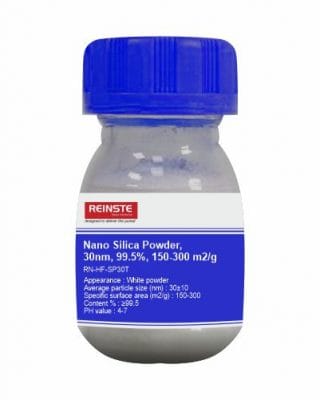


Ready to Innovate with Nano Silica?
Whether you're a researcher exploring new frontiers or an industry professional seeking to enhance your products, nano silica offers unparalleled opportunities. Connect with us to discuss your specific requirements and discover how our high-quality nano silica solutions can power your next breakthrough.
Get in Touch Today