Nano Silica in Biomedical Applications: A Frontier for Indian Research and Innovation

Delve into the revolutionary world of silica nanoparticles and their profound impact on drug delivery, diagnostics, and therapeutics, paving the way for advanced medical solutions in India.

Explore Applications

Introduction to Nano Silica's Biomedical Promise in India

The dawn of the 21st century has been significantly marked by the relentless march of nanotechnology, a field that promises to revolutionize nearly every aspect of human life, especially healthcare. At the forefront of this revolution are nanoparticles, and among them, Nano Silica, or Silica Nanoparticles, stand out for their exceptional properties and diverse applications. For Indian researchers and professionals, this domain presents not just a scientific curiosity but a tangible pathway to developing innovative, affordable, and effective healthcare solutions for a vast and diverse population.

India, with its burgeoning scientific talent and a pressing need for advanced medical interventions, is uniquely positioned to leverage the power of Biomedical Nano Silica. The versatility of silica nanoparticles stems from their inherent biocompatibility, chemical inertness, tunable pore structure, high surface area, and ease of surface functionalization. These characteristics make them ideal candidates for a multitude of biological and medical applications, ranging from sophisticated drug delivery systems to advanced diagnostic tools and novel therapeutic agents.

The journey of Nanoparticles in Medicine is still unfolding, but the progress with nano silica has been particularly encouraging. Unlike many other nanomaterials, silica's established safety profile (as silicon dioxide is a common food additive and naturally occurring compound) provides a significant advantage for clinical translation. Researchers in India are actively exploring how these tiny particles can address some of the country's most pervasive health challenges, including chronic diseases, infectious diseases, and the need for precision medicine.

This article delves into the fascinating world of Nano Silica for Biomedical Applications, exploring its fundamental properties, diverse uses, and the burgeoning opportunities and trends specifically relevant to the Indian context. We aim to provide a comprehensive, humanized, and informative overview that resonates with the aspirations and challenges faced by the Indian scientific community. From enhancing drug efficacy to enabling early disease detection, nano silica is not just a material; it's a beacon of hope for a healthier future.
Key Benefits of Nano Silica for Researchers and Clinicians

Enhanced Drug Delivery Efficiency

Nano Silica's porous structure allows for high drug loading and controlled, sustained release, ensuring therapeutic concentrations at target sites while minimizing systemic side effects. This is particularly beneficial for potent drugs requiring precise dosing.

Improved Diagnostic Imaging Capabilities

Silica nanoparticles can be easily functionalized with imaging agents, acting as superior contrast agents for MRI, CT, and optical imaging. This leads to clearer, more precise images for early disease detection and monitoring.

Targeted Therapeutic Approaches

Surface modification of Silica Nanoparticles enables them to specifically bind to diseased cells (e.g., cancer cells), delivering therapeutic payloads directly where needed, thereby increasing efficacy and reducing harm to healthy tissues.

Biocompatibility and Low Toxicity

Silicon dioxide is generally recognized as safe (GRAS). Well-engineered Biomedical Nano Silica exhibits excellent biocompatibility, minimizing adverse immune responses and making it suitable for in-vivo applications.

Cost-Effective Solutions for Developing Nations

The abundance and relatively low cost of silica precursors, combined with scalable synthesis methods, make Nanotechnology Silica a promising avenue for developing affordable diagnostics and therapeutics, crucial for countries like India.

Versatile Surface Functionalization

The surface of Nano Silica can be easily modified with various molecules, including polymers, antibodies, and peptides, allowing for tailored interactions with biological systems and diverse functionalities.

Transformative Applications of Nano Silica in Indian Healthcare

Illustration of drug delivery using nanoparticles

Advanced Drug Delivery Systems

Nano Silica excels in encapsulating a wide range of therapeutic agents, from small molecules to proteins and nucleic acids. Its ability to provide controlled and sustained release, coupled with targeted delivery to specific organs or cells, is revolutionizing treatments for cancer, diabetes, and infectious diseases. Indian pharmaceutical companies and research labs are actively developing nano silica-based formulations to improve patient compliance and therapeutic outcomes.

Illustration of bioimaging with nanoparticles

Cutting-Edge Bioimaging and Diagnostics

In diagnostics, Silica Nanoparticles serve as highly effective platforms for biosensors and contrast agents. Their optical properties and ease of functionalization allow for enhanced sensitivity and specificity in detecting biomarkers for early disease diagnosis, including cancer and neurological disorders. This capability is particularly vital in India for screening and monitoring diseases in remote and underserved areas.

Illustration of therapeutic applications of nanoparticles

Innovative Therapeutic Strategies

Beyond drug delivery, Nano Silica for Biomedical Applications is being explored for direct therapeutic interventions. This includes photothermal therapy where silica nanoparticles absorb light and convert it into heat to destroy cancer cells, gene therapy for delivering genetic material, and as antimicrobial agents. These advanced therapeutic modalities offer new hope for treating conditions resistant to conventional therapies.

Illustration of tissue engineering with nanoparticles

Scaffolds for Tissue Engineering

The unique structural properties of Biomedical Nano Silica make it an excellent material for creating scaffolds in tissue engineering. These scaffolds can mimic the extracellular matrix, providing a supportive environment for cell growth, differentiation, and tissue regeneration. This has profound implications for repairing damaged tissues and organs, from bone to cartilage, offering regenerative solutions in Indian hospitals.

Frequently Asked Questions about Nano Silica in Biomedical Applications

Advance Your Research with Reinste Nano Silica

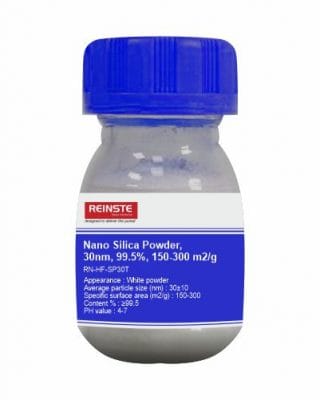
Reinste offers a comprehensive range of high-quality nano silica products, tailored for cutting-edge biomedical research and industrial applications. Partner with us to unlock new possibilities.

View Our Nano Silica Products

Get in Touch with Reinste