
Nano Silica for Thermal Insulation: A Deep Dive for Indian Researchers and Professionals
Explore how nano silica is transforming thermal management across various sectors in India, offering unparalleled efficiency and sustainable solutions.
Explore Nano Silica Solutions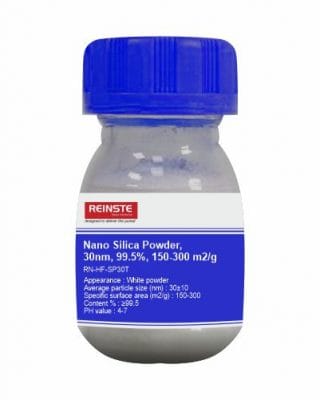
The Dawn of a New Era: Nano Silica in Indian Thermal Management
In a world increasingly focused on energy efficiency and sustainable development, the quest for superior thermal insulation materials has never been more critical. For Indian researchers and professionals, the emergence of nano silica for thermal insulation represents a groundbreaking opportunity. These ultrafine particles of silicon dioxide, typically ranging from 1 to 100 nanometers, possess extraordinary properties that are revolutionizing how we approach heat management in various applications.
India, with its ambitious infrastructure projects, burgeoning manufacturing sector, and a strong commitment to green technologies, stands at the cusp of integrating advanced materials like nano silica into its core industries. From enhancing the energy performance of buildings to enabling lightweight, high-temperature solutions in aerospace and automotive sectors, nano silica is proving to be a versatile and indispensable component. This deep dive aims to illuminate the scientific principles, practical applications, and future potential of nano silica powder within the Indian context, providing valuable insights for those at the forefront of innovation.
Understanding the unique characteristics of nano silica properties, such as its exceptionally low thermal conductivity and high surface area, is key to unlocking its full potential. This article will explore how these attributes translate into tangible benefits, offering a comprehensive overview for anyone looking to leverage this advanced material for cutting-edge thermal insulation solutions.
Unlocking Superior Performance: Key Benefits of Nano Silica for Researchers
Enhanced Insulation Performance
Nano silica's porous structure traps air, significantly reducing heat transfer and offering superior insulation compared to traditional materials, even at reduced thicknesses.
Reduced Material Thickness
Achieve the same or better insulation performance with thinner layers of material, leading to space savings and lighter designs, crucial for modern engineering.
Lightweight Solutions
The low density of nano silica contributes to lightweight insulation composites, which is highly beneficial for industries like aerospace and automotive where weight reduction is paramount.
High-Temperature Stability
Nano silica exhibits excellent thermal stability, making it suitable for high-temperature applications where other insulators might degrade, ensuring long-term performance.
Improved Energy Efficiency
By minimizing heat loss or gain, nano silica for thermal insulation directly contributes to significant energy savings in industrial processes, buildings, and transportation.
Environmental Advantages
Its use promotes sustainable practices by reducing energy consumption and carbon footprint, aligning with global efforts towards a greener future.
Diverse Horizons: Key Applications of Nano Silica in Indian Industry
The versatility of nano silica applications extends across a multitude of sectors, offering innovative solutions for critical thermal challenges. In India, its adoption is accelerating as industries seek to optimize performance and adhere to stringent environmental norms.

Construction: Green Buildings & Smart Cities
Nano silica is pivotal in developing high-performance insulation for modern construction. It enables the creation of energy-efficient green buildings and plays a role in smart city initiatives by reducing heating and cooling loads, contributing to substantial energy savings and lower operational costs.

Aerospace & Automotive: Lightweight, High-Performance
In demanding sectors like aerospace and automotive, nano silica offers solutions for lightweight thermal insulation. Its ability to withstand extreme temperatures while maintaining structural integrity is crucial for engine components, exhaust systems, and cabin insulation, improving fuel efficiency and safety.

Oil & Gas: Pipeline Insulation & Energy Conservation
The oil and gas industry benefits from nano silica's superior insulating properties for pipelines, storage tanks, and industrial equipment. It helps maintain process temperatures, prevents heat loss, and ensures operational efficiency, especially in remote or challenging environments, leading to significant energy conservation.

Electronics: Advanced Thermal Management
As electronic devices become smaller and more powerful, thermal management is crucial. Nano silica is integrated into thermal interface materials and encapsulation compounds to dissipate heat effectively, preventing overheating and extending the lifespan of sensitive electronic components.

Textiles: Smart Fabrics & Protective Gear
The textile industry is exploring nano silica for creating smart fabrics with enhanced thermal regulation properties. It can be used in protective gear for extreme environments, sportswear, and everyday apparel to provide lightweight, breathable, and highly effective thermal barriers.
India's Nano Silica Landscape: Opportunities and Emerging Trends
India's rapidly expanding economy and its strategic focus on technological self-reliance, encapsulated by initiatives like 'Make in India' and the 'National Hydrogen Mission', present fertile ground for the growth and adoption of nano silica for thermal insulation. The demand for advanced materials is skyrocketing, driven by a push for energy efficiency in commercial and residential infrastructure, and the need for high-performance components in defense and space applications.
Research and development in nanotechnology are receiving significant government and private sector investment, fostering an ecosystem ripe for innovation in nano silica applications. Indian researchers are actively exploring novel synthesis methods for nano silica production, aiming to optimize its nano silica properties for specific industrial requirements. This includes developing cost-effective production techniques that can influence nano silica price, making it more accessible for widespread adoption.
The nano silica market in India is characterized by a growing number of domestic and international nano silica suppliers, indicating a robust supply chain. There's a noticeable trend towards surface-modified nano silica, which enhances compatibility with various matrices, improving composite performance. Furthermore, the focus on sustainable and green chemistry principles is influencing the development of eco-friendly nano silica uses.
Collaboration between academic institutions, research labs, and industrial players is crucial for translating nano silica research into commercial products. As India continues its journey towards becoming a global manufacturing hub, the strategic integration of advanced materials like nano silica powder will be instrumental in achieving competitive advantages and sustainable growth across diverse sectors.
Frequently Asked Questions About Nano Silica
Explore Our Nano Silica Product Range
Discover high-quality nano silica powder tailored for your research and industrial needs. Reinste and Hiyka offer a diverse selection to meet the demands of advanced thermal insulation and other applications.


Ready to Revolutionize Your Thermal Solutions with Nano Silica?
Partner with Reinste for cutting-edge nano silica materials and expert guidance tailored to your specific research and industrial applications.
Get a Quote Today