
Nano Silica for Pollution Control: An Indian Perspective on Nanotechnology and Environmental Protection
Explore how advanced nano silica solutions are revolutionizing environmental remediation and offering sustainable pathways for a cleaner India.
Discover Nano Silica SolutionsThe Promise of Nano Silica in India's Environmental Battle
India, a rapidly developing nation, faces an escalating challenge of environmental pollution across its air, water, and soil. The demands of industrial growth, urbanization, and a burgeoning population have placed immense pressure on natural resources and ecological balance. Traditional pollution control methods, while effective to a degree, often fall short in addressing the complex and persistent nature of modern pollutants. This is where the cutting-edge field of nanotechnology, particularly the application of Nano Silica, emerges as a beacon of hope.
Nano silica, or silicon dioxide nanoparticles, possesses extraordinary properties due to its minuscule size and exceptionally high surface area. These characteristics enable it to interact with pollutants at an unprecedented level, offering superior adsorption, catalytic activity, and mechanical strength compared to its bulk counterparts. For Indian researchers and professionals, understanding and harnessing the power of nano silica is not just an academic pursuit but a critical step towards developing sustainable, efficient, and economically viable solutions to the nation's pressing environmental concerns.
This article delves into the multifaceted role of nano silica in pollution control, exploring its scientific underpinnings, diverse applications, and the immense opportunities it presents for India's research and industrial landscape. We aim to provide a humanized, informative, and accessible overview, tailored to resonate with the specific context and challenges faced by the Indian scientific community and industry stakeholders.
Unlocking Environmental Advantages: Benefits of Nano Silica for Researchers
For researchers and environmental scientists in India, nano silica offers a compelling array of benefits that elevate its status as a premier material for pollution control innovations:
- Exceptional Adsorption Capacity: Due to its high surface area and porous structure, nano silica can efficiently adsorb a wide range of pollutants, including heavy metal ions, organic dyes, pesticides, and pharmaceutical residues from water and wastewater. This makes it a powerful tool for water purification research.
- Enhanced Catalytic Activity: Nano silica can act as a support material or a catalyst itself, facilitating chemical reactions that break down stubborn pollutants into less harmful substances. This is crucial for developing advanced oxidation processes and catalytic converters for air and water treatment.
- Improved Filtration Efficiency: When incorporated into membranes or filters, nano silica significantly enhances their pore size distribution and surface properties, leading to superior removal of particulate matter, microorganisms, and even dissolved contaminants from air and water streams.
- Mechanical and Thermal Stability: Nano silica exhibits excellent mechanical strength and thermal stability, making it suitable for deployment in harsh industrial environments and ensuring the longevity of developed remediation systems.
- Cost-Effectiveness and Abundance: Silicon, the base element for silica, is one of the most abundant elements on Earth. Research into scalable and cost-effective synthesis methods for nano silica can lead to affordable pollution control technologies, a vital consideration for widespread adoption in India.
- Tunable Surface Chemistry: The surface of nano silica can be easily modified (functionalized) with various chemical groups to selectively target specific pollutants, offering researchers immense flexibility in designing highly specialized and efficient remediation agents.
- Eco-Friendly and Non-Toxic Nature: In its pure form, silica is generally considered non-toxic and biocompatible, making nano silica a safer alternative compared to some other nanomaterials, particularly for water treatment applications where public health is paramount.
- Versatility in Forms: Available in various forms like powders, dispersions, and incorporated into composites, nano silica offers versatility for different research applications, from laboratory-scale experiments to pilot-plant studies.
These attributes collectively position nano silica as a cornerstone material for addressing complex environmental challenges, empowering Indian researchers to innovate and develop next-generation solutions for a cleaner future.
Transforming Industries: Key Applications of Nano Silica in Pollution Control
Nano silica's unique properties translate into tangible benefits across various industrial and environmental sectors. Here are some critical applications:
Advanced Water and Wastewater Treatment
Nano silica-based membranes and adsorbents are revolutionizing water purification. They effectively remove heavy metals (like lead, mercury, arsenic), organic pollutants (dyes, pharmaceuticals), bacteria, and viruses from industrial effluents, municipal wastewater, and even drinking water sources. Its high surface area allows for efficient trapping and degradation of contaminants, offering a sustainable alternative to conventional methods.
- Removal of heavy metals
- Degradation of organic pollutants
- Bacterial and viral filtration
Air Quality Improvement and Emission Control
In the fight against air pollution, nano silica acts as an excellent material for air filters and catalytic converters. It can capture fine particulate matter (PM2.5), volatile organic compounds (VOCs), and harmful gases (NOx, SOx) from industrial emissions and vehicular exhaust. Its catalytic properties aid in converting toxic gases into less harmful substances, making urban air cleaner.
- PM2.5 and particulate matter capture
- VOC and toxic gas adsorption
- Catalytic conversion of harmful emissions
Soil and Groundwater Remediation
Contaminated soil and groundwater pose significant risks to agriculture and public health. Nano silica can be injected into contaminated sites to immobilize or degrade pollutants like heavy metals, pesticides, and petroleum hydrocarbons. Its ability to penetrate small pores and react with contaminants makes it a potent tool for in-situ remediation, restoring soil fertility and groundwater quality.
- Immobilization of heavy metals
- Degradation of organic soil pollutants
- Restoration of groundwater quality
Industrial Effluent and Sludge Treatment
Industries generate vast quantities of wastewater and hazardous sludge. Nano silica can be employed to treat these challenging waste streams by enhancing coagulation, flocculation, and sedimentation processes. It helps in removing suspended solids, reducing chemical oxygen demand (COD), and dewatering sludge, leading to more efficient and environmentally sound waste management practices.
- Enhanced coagulation and flocculation
- COD reduction in industrial wastewater
- Sludge dewatering and volume reduction
Sustainable Construction Materials
Beyond direct pollution removal, nano silica contributes to environmental protection by improving the durability and performance of construction materials. When added to concrete, it enhances strength, reduces permeability, and increases resistance to chemical attacks, leading to longer-lasting infrastructure and reduced need for repairs, thus minimizing resource consumption and waste generation.
- Improved concrete strength and durability
- Reduced permeability in building materials
- Extended lifespan of infrastructure
Agricultural Runoff and Pesticide Remediation
Agricultural activities often lead to runoff containing pesticides, herbicides, and excess nutrients, polluting water bodies. Nano silica can be developed into adsorbents to trap these agrochemicals from runoff water before they reach rivers and lakes, protecting aquatic ecosystems and ensuring safer water for communities.
- Adsorption of pesticides and herbicides
- Nutrient removal from agricultural runoff
- Protection of aquatic ecosystems
India's Green Horizon: Opportunities and Trends in Nano Silica for Environmental Protection
The landscape for Nano Silica Applications in India is ripe with opportunities, driven by a confluence of environmental imperatives, governmental support, and a burgeoning scientific community. India's commitment to sustainable development, encapsulated in initiatives like the Swachh Bharat Abhiyan (Clean India Mission) and the National Mission on Clean Ganga, provides a strong impetus for adopting advanced pollution control technologies.
Key Trends and Opportunities:
- Governmental Push for Green Technologies: Policies promoting cleaner production, stringent emission norms, and waste management regulations are creating a significant demand for innovative solutions. This directly benefits the research and commercialization of Eco-Friendly Nano Silica technologies.
- Rise in R&D Investment: Indian academic institutions and private industries are increasingly investing in nanotechnology research. Collaborations between universities, national laboratories, and industries are fostering an ecosystem for developing indigenous Nanomaterials for Environmental Protection.
- Focus on Water Security: With growing water scarcity and contamination, there is an urgent need for advanced water treatment solutions. Nano Silica for Pollution Control in water purification, including arsenic and fluoride removal, is a critical area of focus, especially in rural and semi-urban areas.
- Air Quality Management: Major Indian cities grapple with severe air pollution. Research into nano silica-based catalytic converters for vehicles and industrial stacks, alongside advanced air filters, represents a vast market and research opportunity.
- Waste-to-Wealth Initiatives: The potential of nano silica in treating industrial and municipal waste, converting it into reusable resources or safely disposing of it, aligns perfectly with India's circular economy goals.
- Sustainable Agriculture: Addressing pesticide runoff and improving soil health through nano silica-based solutions offers a path towards more sustainable agricultural practices, crucial for a predominantly agrarian economy.
- Development of Indigenous Manufacturing: The "Make in India" initiative encourages domestic production of advanced materials. Establishing local manufacturing capabilities for Nano Silica in Industry can reduce import dependency and create jobs.
- International Collaborations: Indian researchers are actively engaging in international collaborations, bringing global expertise and advanced techniques to accelerate the development and deployment of nano silica solutions.
The future of environmental protection in India is intricately linked with technological advancements. Nano Silica Trends indicate a clear trajectory towards more efficient, sustainable, and economically viable solutions. As research progresses and industrial adoption increases, nano silica is poised to play a pivotal role in shaping a healthier, cleaner India for generations to come, addressing the complex interplay of environmental health and economic development.
Understanding the Chemical Properties of Nano Silica and its interaction with various pollutants is key to unlocking its full potential. Indian scientists are at the forefront of this exploration, paving the way for groundbreaking discoveries and practical applications.
Frequently Asked Questions about Nano Silica and Pollution Control
What is Nano Silica and how does it contribute to pollution control?
Nano silica refers to silicon dioxide nanoparticles with a size typically ranging from 1 to 100 nanometers. Its extremely high surface area and unique physiochemical properties make it highly effective in adsorbing pollutants, acting as a catalyst, and enhancing filtration processes, thereby significantly contributing to water, air, and soil pollution control.
What are the primary applications of Nano Silica in environmental remediation in India?
In India, nano silica finds diverse applications in environmental remediation, including advanced wastewater treatment for industrial effluents, purification of drinking water, catalytic converters for reducing vehicular emissions, air filtration systems in urban and industrial zones, and soil remediation to remove heavy metals and organic pollutants from agricultural lands.
Why is Nano Silica particularly relevant for Indian researchers and industries?
India faces significant environmental challenges due to rapid industrialization and urbanization. Nano silica offers cost-effective, efficient, and sustainable solutions for these challenges. Its development aligns with national initiatives like 'Make in India' and 'Swachh Bharat Abhiyan,' providing opportunities for indigenous research, technological innovation, and industrial growth in green technologies.
Are there any environmental concerns or challenges associated with using Nano Silica?
While highly beneficial, the widespread use of nano silica necessitates careful consideration of potential environmental impacts, such as its fate and transport in ecosystems, and potential toxicity to biological systems at very high concentrations. Research is ongoing to ensure safe synthesis, application, and disposal methods, promoting responsible nanotechnology practices.
Explore Related Nano Silica Products
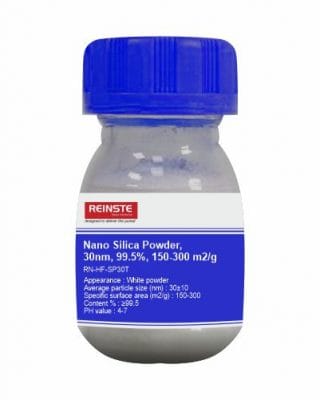
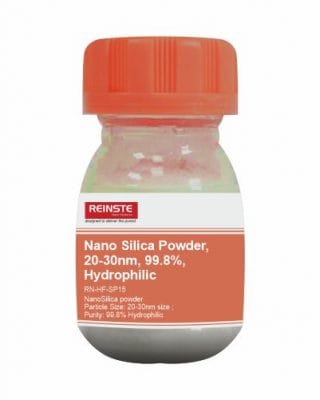
Discover high-quality nano silica products that can support your research and industrial applications in environmental protection.


Ready to Advance Your Environmental Solutions?
Partner with Reinste for cutting-edge nano silica materials and expert support to tackle India's most pressing pollution challenges. Explore our range of products and services today.
Contact Our Experts