
Nano Silica for Next-Gen Displays: Revolutionizing Indian Electronics with Advanced Coatings
Explore the transformative role of nano silica and silica nanoparticles in advanced display technologies, enhancing performance and durability for Indian researchers and professionals in electronics and coatings.
Explore Nano Silica SolutionsUnveiling Nano Silica's Role in Modern Display Technologies
In the rapidly evolving landscape of electronics, the quest for superior display technologies is relentless. From the vibrant screens of our smartphones to the expansive panels in our living rooms and the interactive interfaces in our vehicles, displays are central to our digital experience. At the forefront of this innovation lies nano silica, a material with extraordinary properties that is revolutionizing how we interact with visual information. For Indian researchers and professionals, understanding and harnessing the power of silica nanoparticles in display fabrication presents a monumental opportunity to drive indigenous innovation and establish a competitive edge in the global market.
The unique characteristics of nanostructured silica, particularly its high surface area, tunable pore size, and excellent optical transparency, make it an ideal candidate for enhancing various aspects of display performance. Traditional display materials often face limitations in terms of durability, optical clarity, and energy efficiency. Nano silica offers elegant solutions to these challenges, enabling the creation of displays that are not only more robust and visually stunning but also more sustainable. Its integration into various layers of a display, from substrates to protective coatings, signifies a paradigm shift in material science for electronics.
India's burgeoning electronics manufacturing sector and a robust ecosystem of research and development institutions are perfectly positioned to capitalize on these advancements. The emphasis on 'Make in India' and self-reliance in critical technologies underscores the importance of exploring cutting-edge materials like nano silica. This blog delves into the profound impact of nano silica on modern display technologies, highlighting its applications, benefits, and the exciting opportunities it presents for the Indian scientific and industrial community. From developing next-generation anti-reflective coatings to enhancing the performance of flexible OLEDs, nano silica is truly a game-changer.
Key Advantages of Nano Silica for Researchers and Innovators
Enhanced Optical Properties
Nano silica's low refractive index and high transparency make it ideal for anti-reflective and anti-glare coatings, significantly improving display readability and visual clarity, even in bright environments. This is crucial for high-performance screens.
Superior Durability and Protection
When incorporated into protective layers, silica nanoparticles drastically increase scratch and abrasion resistance, extending the lifespan of displays. This is particularly vital for touchscreens and portable devices susceptible to wear and tear.
Improved Energy Efficiency
By optimizing light transmission and reducing reflections, nano silica coatings can contribute to more energy-efficient displays, a critical factor for battery-powered devices and large-scale digital signage, aligning with sustainable technology goals.
Hydrophobic and Oleophobic Surfaces
Surface-treated nano silica can create water and oil repellent surfaces, making displays easier to clean and resistant to smudges and fingerprints, enhancing user experience and maintaining aesthetic appeal.
Flexibility for Advanced Displays
For the emerging market of flexible and foldable displays, nanostructured silica offers mechanical strength without compromising flexibility, enabling the development of robust and innovative form factors for future devices.
Versatile Integration
Nano silica can be integrated into various display components, from thin-film transistors to encapsulation layers, offering researchers immense flexibility in designing and optimizing display architectures for specific performance requirements.
Diverse Applications of Nano Silica in the Display Industry
Anti-Reflective and Anti-Glare Coatings
One of the most prominent uses of nano silica for display technologies is in creating highly effective anti-reflective (AR) and anti-glare coatings. These coatings, often multi-layered with varying refractive indices, utilize the nanoscale structure of silica to minimize light reflection, significantly improving the contrast and readability of screens in brightly lit environments. This is crucial for outdoor displays, automotive dashboards, and high-end consumer electronics.
Scratch-Resistant and Durable Surfaces
The inherent hardness of silicon dioxide makes silica nanoparticles an excellent additive for creating robust, scratch-resistant surfaces. When integrated into polymer matrices or applied as thin films, nano silica coatings form a protective layer that can withstand daily wear and tear, extending the aesthetic and functional life of displays, particularly for touch-enabled devices and industrial screens.
Enhancing Flexible and OLED Displays
For the cutting-edge realm of flexible and organic light-emitting diode (OLED) displays, nanostructured silica plays a vital role. It can be used in encapsulation layers to protect sensitive organic materials from moisture and oxygen, crucial for the longevity of OLEDs. Additionally, its mechanical properties contribute to the flexibility and structural integrity of bendable and foldable displays, paving the way for innovative form factors in consumer electronics.
Improving Touchscreen Responsiveness and Clarity
In touchscreens, nano silica in electronics contributes to both optical clarity and tactile performance. Ultra-thin transparent conductive films enhanced with silica nanoparticles can offer improved conductivity and transparency, leading to more responsive and visually appealing touch interfaces. Furthermore, hydrophobic nano silica coatings keep touchscreens clean and functional, reducing friction and improving the user experience.
Advanced Optical Films and Light Management
Beyond surface coatings, nano silica is integral to advanced optical films used within display stacks. These films can manipulate light paths, enhance brightness, improve color purity, and increase viewing angles. For instance, diffusing films with carefully engineered silica nanoparticles can provide uniform backlighting for LCDs, while other films can optimize light extraction in OLEDs, leading to brighter and more vivid displays with lower power consumption.
Next-Generation Display Innovations
The potential of nano silica applications extends to emerging display technologies. Researchers are exploring its use in quantum dot displays to enhance color gamut and stability, in micro-LED displays for improved light control, and in transparent electronics for futuristic applications. Its versatility makes it a cornerstone material for pushing the boundaries of what displays can achieve, driving innovation across the entire spectrum of visual technology.
India's Leap in Nano Silica Display Innovation: Trends and Future Prospects
India stands at the cusp of a technological revolution, with a strong emphasis on domestic manufacturing and cutting-edge research. The advent of nano silica for display technologies presents a unique confluence of opportunities for the nation. With initiatives like 'Make in India' and a growing demand for consumer electronics, there is an accelerated push towards developing indigenous capabilities in advanced materials. Indian researchers and industries are actively exploring how silica nanoparticles can be integrated into local manufacturing processes to produce high-quality, cost-effective display components.
One significant trend is the increasing focus on sustainable and eco-friendly manufacturing. Nano silica, derived from abundant silicon, offers a more environmentally benign alternative to some conventional display materials. Indian R&D centers are investigating green synthesis routes for nanostructured silica and its application in bio-degradable or recyclable display components. This aligns with global efforts towards a circular economy and provides a strategic advantage for Indian products in international markets.
Furthermore, the demand for specialized displays in sectors like automotive, healthcare, and defense within India is growing. Automotive displays require robust, anti-glare surfaces, while medical devices need ultra-clear, easy-to-clean screens. Nano silica coatings are perfectly suited to meet these stringent requirements, opening up new market segments for Indian manufacturers. The development of customized nano silica in electronics solutions for these niche applications represents a significant growth area.
Collaborations between academic institutions, government research bodies, and private industries are vital. Universities are producing skilled nanotechnology graduates, and startups are emerging with innovative solutions for material synthesis and application. This vibrant ecosystem is conducive to accelerating the adoption of nano silica innovative solutions across the display value chain. With continued investment in infrastructure and human capital, India is poised to become a global leader in the research, development, and production of advanced display materials, leveraging the immense potential of nano silica applications.
Frequently Asked Questions about Nano Silica in Display Technologies
Explore Our Nano Silica Solutions
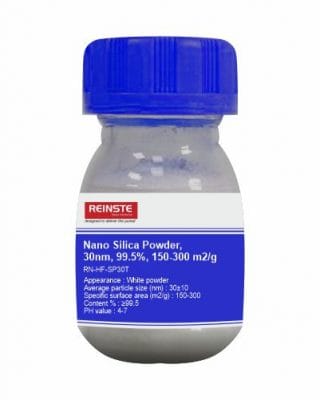
Nano Silica Powder , 30nm, 99.5%, 150-300 m2/g
View Product
Nano Silica Powder , 30nm, 99.5%, surface treated
View Product
Nano Silica Powder , 5-40nm, 99.8%
View Product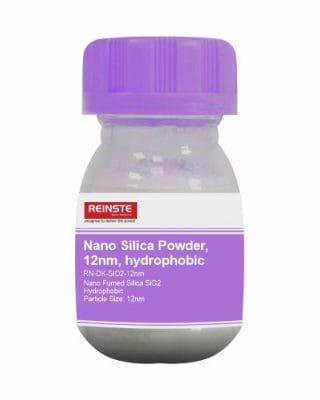
Nano Silica Powder , 12nm, hydrophobic
View ProductPartner with Reinste for Your Nano Silica Needs
Ready to integrate cutting-edge nano silica into your display research or manufacturing? Reinste offers a comprehensive range of high-quality silica nanoparticles tailored for advanced applications.
Get a Quote Today