Nano Silica for Concrete Applications: Enhancing Durability and Performance in Indian Construction
Discover how advanced nano silica technology is revolutionizing concrete strength, sustainability, and longevity, offering unparalleled advantages for India's evolving infrastructure and research landscape.
Learn MoreThe Dawn of a New Era: Nano Silica in Indian Concrete Technology
India's rapid urbanization and ambitious infrastructure projects, from the extensive highway networks to the burgeoning smart cities, demand construction materials that are not only robust but also sustainable and long-lasting. Traditional concrete, while forming the backbone of modern construction, faces inherent challenges related to its long-term durability, environmental impact, and its ability to meet the specialized performance requirements of contemporary engineering. This is precisely where nano silica for concrete applications emerges as a revolutionary solution. Nano silica, comprising ultrafine particles of silicon dioxide (SiO2) typically ranging from 1 to 100 nanometers, is profoundly transforming the fundamental properties of concrete, offering unprecedented enhancements in strength, durability, and resistance to various forms of environmental degradation.
For the vibrant community of Indian researchers, civil engineering professionals, and materials scientists, a comprehensive understanding of the nuances and capabilities of nano silica concrete is not merely advantageous but absolutely paramount. Its strategic integration promises to effectively address critical infrastructural issues prevalent in India, such as the pervasive problem of corrosion of steel reinforcement, the detrimental effects of alkali-silica reaction (ASR), and the overall permeability of concrete, all of which are particularly pronounced and relevant in India's diverse and often challenging climatic conditions. This comprehensive article aims to delve deep into the transformative potential of nano silica powder, meticulously exploring its myriad benefits, its diverse and expanding range of applications across the construction spectrum, and the burgeoning opportunities it presents for fostering a more resilient, sustainable, and advanced Indian construction industry.
The global paradigm shift towards embracing high-performance and environmentally responsible building materials is not merely an international trend; it is an urgent necessity for India's progressive future. With its unique physicochemical properties and remarkable ability to refine concrete microstructure, nano silica in construction is unequivocally poised to pave the way for the development of smarter, inherently stronger, and significantly more sustainable infrastructure projects across the length and breadth of the nation. This innovative material holds the key to building structures that can withstand the test of time and environmental stresses, contributing significantly to India's developmental goals.
Unlocking Superior Performance: Benefits of Nano Silica in Concrete
The strategic incorporation of nano silica into concrete formulations ushers in a multitude of profound advantages, positioning it as an exceptionally attractive and indispensable material for advanced construction projects and simultaneously creating a fertile ground for cutting-edge research and development. The profound enhancements it brings make it a cornerstone for future-proof infrastructure.
Here are the key benefits of nano silica, elaborating on its impact on concrete performance:
- Enhanced Compressive and Flexural Strength: Nano silica particles, owing to their extremely small size and high surface area, effectively fill microscopic voids and pores within the cementitious matrix. More critically, they actively participate in a secondary pozzolanic reaction, consuming the calcium hydroxide (CH) produced during cement hydration to form additional, denser calcium silicate hydrate (C-S-H) gel. This process leads to a significantly more homogeneous and compact microstructure, which in turn dramatically increases both the compressive strength (the concrete's resistance to crushing forces) and its flexural strength (its ability to resist bending and tensile stresses). This translates directly into stronger, more load-bearing structures.
- Improved Durability and Longevity: By fundamentally reducing the overall porosity and permeability of the concrete, nano silica concrete becomes exceptionally resistant to the ingress and detrimental effects of harmful substances. This includes aggressive agents like chloride ions (which cause rebar corrosion), sulfates (leading to expansive reactions), and other corrosive chemicals. This superior protective barrier significantly extends the service life of concrete structures, a particularly critical advantage in India's diverse climatic zones, ranging from humid coastal areas to arid inland regions, where environmental aggressors can severely compromise structural integrity.
- Reduced Permeability: The refined and densified pore structure, a direct consequence of nano silica's action, minimizes the penetration of water, dissolved ions, and gases. This is paramount for offering superior and long-lasting protection against the corrosion of steel reinforcement, which is widely recognized as a primary and most destructive cause of concrete degradation and structural failure in reinforced concrete elements. Lower permeability means less moisture and harmful chemicals reaching the steel.
- Mitigation of Alkali-Silica Reaction (ASR): Alkali-Silica Reaction is a deleterious chemical reaction between the alkalis in cement and certain reactive forms of silica in aggregates, leading to expansive gels that cause cracking and severe structural damage. Nano silica effectively consumes the alkali hydroxides present in the pore solution, thereby reducing their concentration and limiting the potential for this harmful ASR expansion. This is a significant and invaluable benefit in Indian regions where reactive aggregates are commonly found, safeguarding infrastructure from premature deterioration.
- Increased Abrasion and Erosion Resistance: The formation of a denser and harder cement matrix on the concrete surface, facilitated by nano silica, imparts superior resistance to wear and tear. This makes nano silica-enhanced concrete surfaces far more resilient to abrasion from vehicular traffic, pedestrian movement, and erosion from water flow or wind-blown particles. This property is highly advantageous for critical applications such as high-traffic pavements, industrial flooring, hydraulic structures like spillways, and canals.
- Improved Early Age Strength: The exceptionally high reactivity of nano silica, due to its large surface area, can significantly accelerate the pozzolanic reaction and the overall hydration process of cement. This leads to a faster development of strength in the early stages of concrete curing. Such rapid strength gain is highly beneficial for projects with tight construction schedules, allowing for quicker formwork removal and faster progression of subsequent construction phases, thereby enhancing project efficiency.
- Environmental Sustainability: A major contribution of nano silica applications to green building practices lies in its ability to improve concrete performance to such an extent that it often allows for a partial reduction in the overall cement content, without compromising or even enhancing, the required strength and durability. Given that cement production is an energy-intensive process and a significant contributor to global CO2 emissions, reducing its quantity directly translates to a lower carbon footprint for concrete production, aligning perfectly with global and national sustainability initiatives.
- Enhanced Rheological Properties (for certain types): Depending on its form (e.g., colloidal nano silica suspensions), nano silica can also positively influence the rheological properties of fresh concrete. It can improve workability, cohesion, and pumpability, facilitating easier placement and compaction, and reducing the need for excessive vibration. However, careful mix design and dosage are essential to avoid issues like increased water demand or stickiness.
These comprehensive benefits of nano silica collectively underscore its immense potential to create high-performance concrete that is not only inherently stronger but also significantly more resilient, durable, and environmentally friendly, thereby addressing the most critical needs and challenges in modern, sustainable construction practices.
Diverse Applications of Nano Silica in Construction
High-Performance Concrete (HPC)
Nano silica is a crucial component in creating HPC, used in demanding structures like high-rise buildings, long-span bridges, and specialized industrial facilities where superior strength and durability are non-negotiable. Its ability to densify the matrix makes it indispensable.
Durable Infrastructure Projects
For critical infrastructure such as roads, highways, dams, and marine structures, nano silica concrete offers enhanced resistance to environmental degradation, including chloride attack from de-icing salts or seawater, and sulfate attack from aggressive soils, ensuring longer service life.
Sustainable and Green Buildings
As the construction industry moves towards sustainability, nano silica powder contributes by enabling cement reduction and extending the lifespan of concrete elements, thereby lowering the embodied carbon of structures. It's vital for LEED-certified and eco-friendly projects.
Specialized Concrete Applications
Beyond general construction, nano silica finds use in specific areas like self-compacting concrete (SCC) for improved flow and reduced voids, ultra-high performance concrete (UHPC), and repair mortars where rapid strength gain and high durability are essential.
Corrosion Protection
By significantly reducing the permeability of concrete, nano silica in construction acts as an effective barrier against the penetration of chloride ions, which are the primary cause of rebar corrosion. This is particularly valuable for structures exposed to harsh environments.
Architectural and Decorative Concrete
The improved surface finish, reduced efflorescence, and enhanced strength properties offered by nano silica make it suitable for architectural concrete elements, precast panels, and decorative surfaces where aesthetics and performance go hand-in-hand.
India's Nano Silica Landscape: Opportunities and Future Trends
The Indian construction market is not just expanding; it's undergoing a significant transformation, positioning itself as one of the largest globally and projected for substantial growth in the coming decades. This explosive growth, coupled with a heightened national awareness regarding environmental sustainability and an ever-increasing demand for high-quality, long-lasting infrastructure, collectively creates immense opportunities for nano silica. Indian researchers, innovators, and industries are now proactively and vigorously exploring the vast potential of nano silica suppliers and its widespread adoption across various construction segments.
Several key trends unequivocally indicate a surging demand for advanced and specialized construction chemicals and admixtures, a category where nano silica powder fits perfectly as a premium solution. The Indian government's visionary initiatives and sustained focus on developing 'Smart Cities,' providing affordable housing for all, and building robust, interconnected transportation networks (including expressways, railways, and ports) further intensifies the need for cutting-edge materials that not only promise exceptional longevity but also offer superior cost-effectiveness over the entire lifecycle of structures. This dynamic environment makes the nano silica market in India exceptionally promising and ripe for innovation and investment.
Furthermore, fostering local production capabilities and investing in intensive research into cost-effective and scalable synthesis methods for nano silica are absolutely crucial steps for India to become self-reliant and a global leader in this niche. Strategic collaborations between leading academic institutions, specialized research laboratories, and forward-thinking industrial players can significantly accelerate the development of tailor-made nano silica products. These products would be specifically formulated and optimized to suit the unique environmental conditions, material availability, and construction practices prevalent across different regions of India. A deep and nuanced understanding of the optimal nano silica uses and its specific nano silica properties will undoubtedly be the cornerstone to unlocking its full, transformative potential for the nation's infrastructure development.
In essence, the future trajectory of nano silica in construction in India is exceptionally bright and promising. This growth will be dynamically driven by continuous innovation, unwavering commitment to national sustainability goals, and the relentless pursuit of building superior, resilient, and future-ready infrastructure. Professionals, entrepreneurs, and businesses who strategically venture into this exciting domain will discover a vibrant, challenging, and ultimately rewarding landscape, contributing directly to India's progress and global standing in advanced materials technology.
Frequently Asked Questions about Nano Silica in Concrete
Explore Our Related Nano Silica Products

Water-Soluble Liquid Phase Produced Nano Silica Powder For Concret
View Product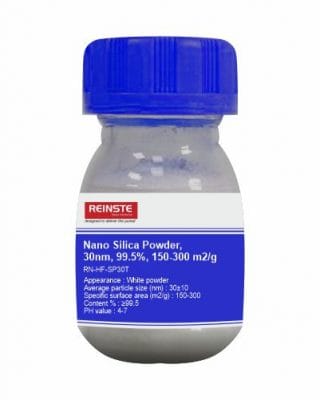
Nano Silica Powder , 30nm, 99.5%, 150-300 m2/g
View Product
Nano Silica Powder , 5-40nm, 99.8%
View Product
Nano Silica Powder , 100nm, 99.5%
View ProductReady to Innovate Your Construction Projects?
Partner with Reinste for cutting-edge nano materials and expert guidance to achieve superior concrete performance and durability. Explore our range of high-quality nano silica products.
Contact Our Experts