
Unveiling the Power of Nano Nickel Catalyst for Indian Innovation
Explore the groundbreaking advancements in Nano Nickel Synthesis, its diverse applications, and the transformative potential of Nickel Nanoparticles in driving India's scientific and industrial progress.
Learn MoreIntroduction to Nano Nickel: A Game-Changer for Indian R&D
In the rapidly evolving landscape of materials science and chemical engineering, Nano Nickel Catalyst has emerged as a pivotal material, offering unprecedented opportunities for innovation. For Indian researchers and professionals, understanding the intricacies of Nano Nickel Synthesis, its unique properties, and diverse applications is crucial for driving advancements in various sectors. Unlike bulk nickel, Nickel Nanoparticles exhibit enhanced surface area-to-volume ratios, quantum size effects, and novel catalytic activities, making them indispensable in modern chemistry and technology.
India's robust scientific community and burgeoning industrial base are perfectly positioned to leverage the potential of Nickel Nanostructures. From sustainable energy solutions to advanced manufacturing, the integration of nano nickel promises not only improved efficiency and performance but also the development of entirely new technologies. This blog delves into the fascinating world of nano nickel, providing a comprehensive overview tailored for those seeking to harness its power for the nation's progress, emphasizing its role as a superior Nickel Catalyst for Hydrogenation and other critical industrial processes.
The journey into nanotechnology requires a deep dive into the synthesis methods that yield these remarkable materials. Precision in Nano Nickel Synthesis dictates the final properties and performance of the nanoparticles, influencing their effectiveness in applications ranging from catalysis to electronics. Our exploration aims to demystify these processes and highlight the practical implications for researchers and industries in India.
Key Benefits of Nano Nickel for Researchers and Industry
The adoption of Nano Nickel in research and industrial applications brings forth a multitude of advantages, particularly for the dynamic Indian scientific and manufacturing landscape:
- Enhanced Catalytic Activity: Nano Nickel Catalysts offer significantly higher surface areas compared to their bulk counterparts, leading to superior catalytic efficiency, reduced reaction times, and lower energy consumption in critical processes like hydrogenation and organic synthesis. This is a major advantage for chemical industries.
- Improved Material Properties: Integrating Nickel Nanoparticles into composites and coatings can enhance mechanical strength, thermal stability, and corrosion resistance, leading to more durable and high-performance materials for engineering applications. This includes advanced Nano Nickel Coatings.
- Cost-Effectiveness and Sustainability: The high efficiency of Nano Nickel often translates to lower catalyst loading, reduced waste, and more sustainable production processes, aligning with India's focus on green chemistry and resource optimization.
- Versatility in Applications: From energy storage to advanced sensors and Nano Nickel in Electronics, the adaptability of these nanomaterials opens doors to a wide array of innovative products and solutions across various industries.
- Driving Research and Development: The unique properties of Nickel Nanostructures continually inspire new research directions, fostering a vibrant ecosystem of discovery and technological advancement within Indian academic and industrial labs.
Diverse Applications of Nano Nickel Across Industries
The transformative potential of Nano Nickel extends across numerous industrial sectors, offering solutions for critical challenges and paving the way for next-generation technologies. Its versatility makes it a sought-after material for various Nano Nickel Applications:
Catalysis
As a premier Nano Nickel Catalyst, these materials are indispensable in a wide range of chemical reactions, including hydrogenation of unsaturated compounds, carbon dioxide reduction, and organic synthesis. Their high activity and selectivity make them crucial for efficient and environmentally friendly industrial processes.
Energy Storage
Nickel Nanoparticles are vital components in advanced energy storage systems, including high-performance batteries (e.g., Ni-MH batteries) and fuel cells. Their excellent conductivity and electrochemical properties contribute to improved charge/discharge rates and overall energy density, crucial for electric vehicles and portable electronics.
Electronics & Sensors
The high electrical conductivity and magnetic properties of Nano Nickel in Electronics make it suitable for conductive inks, electromagnetic shielding, and advanced sensors. Nickel Nanostructures are also explored for their use in microelectromechanical systems (MEMS) and spintronic devices.
Coatings & Composites
Developing robust Nano Nickel Coatings provides enhanced corrosion resistance, hardness, and wear resistance for various substrates. When incorporated into composite materials, Nickel Nanoparticles can significantly improve mechanical, thermal, and electrical properties, leading to advanced lightweight and high-strength materials.
Biomedical Research
Emerging Nano Nickel Applications in the biomedical field include targeted drug delivery, biosensors, and magnetic resonance imaging (MRI) contrast agents, leveraging their magnetic properties and biocompatibility (with appropriate surface modifications).
Environmental Remediation
Nano nickel can be effectively employed in environmental applications for the degradation of pollutants and heavy metal removal from wastewater, contributing to cleaner industrial effluents and sustainable environmental practices.
Nano Nickel Research Trends and Opportunities in India
India is rapidly emerging as a global hub for nanotechnology research and development. The field of Nano Nickel Research Trends is particularly vibrant, driven by the nation's push for self-reliance (Atmanirbhar Bharat) and sustainable industrial growth. Researchers in India are actively exploring advanced Nano Nickel Synthesis methods, focusing on green chemistry approaches to produce Nickel Nanoparticles with tailored properties for specific applications.
Significant opportunities lie in optimizing Nickel Catalyst for Hydrogenation processes, crucial for the petrochemical and pharmaceutical industries. Indian researchers are also investigating the use of Nickel Nanostructures in next-generation energy storage devices, aiming to develop more efficient and cost-effective batteries and supercapacitors. The development of durable and functional Nano Nickel Coatings for aerospace and automotive components presents another area of immense potential.
Furthermore, the integration of Nano Nickel in Electronics for flexible devices and advanced sensors is gaining traction. Collaborative research between academia and industry is key to translating laboratory innovations into commercial products. With increasing government support and investment in nanotechnology infrastructure, India is poised to become a leader in Nano Nickel Applications, fostering a new era of scientific and technological excellence.
The focus remains on developing scalable and economically viable methods for producing high-quality Nano Nickel Catalyst materials, ensuring their widespread adoption across various industrial sectors and contributing significantly to India's technological prowess.
Frequently Asked Questions about Nano Nickel
Nano Nickel Catalysts are highly efficient catalytic materials made from Nickel Nanoparticles or Nickel Nanostructures. Their significantly increased surface area and unique electronic properties at the nanoscale enable superior catalytic activity, making them ideal for various chemical reactions, including hydrogenation and organic synthesis.
Nano Nickel Synthesis involves several methods, including chemical reduction (e.g., polyol method), hydrothermal synthesis, solvothermal synthesis, and electrochemical deposition. These techniques allow for precise control over particle size, morphology, and distribution, which are crucial for optimizing their performance in different applications.
Nickel Nanoparticles find extensive applications across various sectors. They are widely used as Nickel Catalysts for Hydrogenation and other organic reactions, in energy storage devices like batteries and fuel cells, as conductive materials in electronics, for developing advanced Nano Nickel Coatings, and in magnetic applications due to their unique magnetic properties.
For Indian R&D and industry, Nano Nickel offers immense potential for innovation. Its applications in sustainable chemistry, renewable energy, advanced materials, and electronics align with national priorities for technological self-reliance and economic growth. Research into Nano Nickel Synthesis and its applications can lead to cost-effective, high-performance solutions tailored to India's unique industrial needs.
Explore Our Related Nano Nickel Products
Discover high-quality Nickel Nanoparticles and related materials for your research and industrial needs. Reinste and Hiyka offer a range of products to support your innovations in Nano Nickel Synthesis and Nano Nickel Applications.

Nickle Nanopowder (70nm)
View Product
Nickel Nanopowder (20nm)
View Product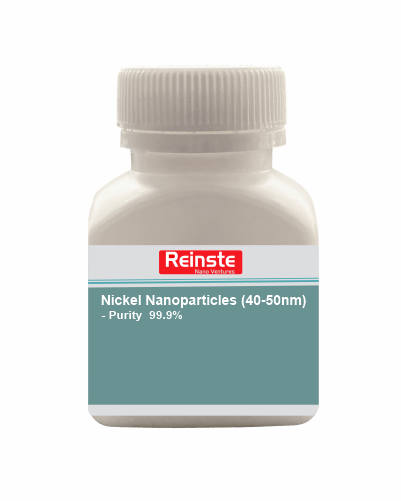
Nickel nanoparticles (40-50nm)
View Product
Nickel nanoparticles APS: ca. 50 nm
View ProductReady to Advance Your Research with Nano Nickel?
Whether you're exploring advanced Nano Nickel Synthesis, seeking high-performance Nano Nickel Catalysts, or developing innovative Nano Nickel Applications, Reinste and Hiyka are your trusted partners. Connect with our experts to find the perfect Nickel Nanoparticles for your projects.
Contact Our Experts TodayGet in Touch with Reinste & Hiyka
Have questions about Nano Nickel Catalyst, Nano Nickel Synthesis, or specific Nickel Nanoparticles? Fill out the form below, and our team will get back to you promptly.