
Unlocking the Potential of Nano Nickel: Properties, Applications, and Research in India
Dive into the fascinating world of nano nickel, exploring its unique characteristics, diverse industrial uses, and the burgeoning research landscape in India.
Explore Nano Nickel SolutionsIntroduction to Nano Nickel: A Game-Changer for Indian R&D and Industry
Nano nickel, a form of nickel with particles typically ranging from 1 to 100 nanometers, represents a frontier in material science with profound implications for various sectors. Unlike its bulk counterpart, nano nickel exhibits extraordinary properties stemming from its high surface-area-to-volume ratio and quantum effects. These include enhanced catalytic activity, superior mechanical strength, unique magnetic behaviors, and improved electrical conductivity. For Indian researchers and professionals, understanding and harnessing these properties is crucial for developing next-generation technologies and materials. The burgeoning nanotechnology landscape in India positions nano nickel as a vital component in advanced research and industrial innovation, promising breakthroughs in areas from energy storage to healthcare.
The drive towards miniaturization and enhanced material performance has propelled nano nickel into the spotlight. Its versatile nature allows for integration into complex systems, offering solutions to long-standing challenges in engineering and manufacturing. From contributing to more efficient catalytic converters to enabling advanced magnetic recording devices, the impact of nano nickel is far-reaching. This article delves into the core properties that make nano nickel so remarkable, explores its wide array of applications, and highlights the significant research and development opportunities it presents, particularly within the dynamic Indian scientific and industrial ecosystem.
As India continues to invest heavily in scientific research and technological advancement, the role of nanomaterials like nano nickel becomes increasingly pivotal. Researchers are actively exploring novel synthesis methods, characterization techniques, and application avenues to fully exploit its potential. The unique characteristics of nano nickel particles, such as their size-dependent melting points and high reactivity, open doors for innovative product development and process optimization across diverse industries. This exploration aims to provide a comprehensive overview, catering specifically to the interests and needs of the Indian research community and industrial stakeholders.
Unlocking Research Potential: Key Benefits of Nano Nickel for Indian Scientists
Nano nickel offers a multitude of advantages for researchers pushing the boundaries of material science and engineering. Its unique properties at the nanoscale provide unprecedented opportunities for innovation.
- Enhanced Catalytic Activity: The high surface area of nano nickel significantly boosts its catalytic efficiency, making it ideal for various chemical reactions, including hydrogenation, oxidation, and organic synthesis, crucial for the chemical and pharmaceutical industries in India.
- Superior Mechanical Properties: Nano nickel exhibits increased hardness, strength, and wear resistance, opening avenues for developing advanced composites, coatings, and structural materials with improved durability and performance, relevant for aerospace and automotive sectors.
- Unique Magnetic Characteristics: Depending on particle size, nano nickel can display superparamagnetic or ferromagnetic properties, making it invaluable for magnetic recording, spintronics, and biomedical applications like targeted drug delivery and hyperthermia.
- Improved Electrical Conductivity: Its excellent electrical conductivity at the nanoscale makes nano nickel a promising material for advanced electronics, sensors, and conductive inks, supporting India's growing electronics manufacturing sector.
- Advanced Energy Storage: Nano nickel plays a vital role in enhancing the performance of batteries (e.g., Ni-MH batteries), supercapacitors, and fuel cells, contributing to India's renewable energy goals and electric vehicle initiatives.
- Radiation Shielding Capabilities: Research into nano nickel for radiation shielding materials is gaining traction, offering potential for lightweight and effective protection in nuclear facilities and space applications, a critical area for national security and scientific exploration.
- Biomedical Applications: Its biocompatibility (in certain forms) and magnetic properties make nano nickel suitable for biosensors, bioimaging, and novel therapeutic approaches, driving innovation in India's burgeoning biotechnology and healthcare sectors.
- Corrosion Resistance: Nano nickel coatings can offer improved corrosion resistance, extending the lifespan of materials in harsh environments, which is beneficial for infrastructure and industrial machinery.
Nano Nickel in Action: Diverse Industrial Applications Driving Innovation
The exceptional properties of nano nickel translate into a wide array of practical applications across numerous industries, with significant implications for India's technological advancement.
Catalysis & Chemical Processing
Nano nickel's high surface area and reactivity make it an excellent catalyst. It's widely used in hydrogenation, dehydrogenation, and various organic synthesis reactions, crucial for the Indian chemical, petrochemical, and pharmaceutical industries to produce fine chemicals, polymers, and fuels more efficiently.
Advanced Energy Storage Solutions
A key component in next-generation batteries (e.g., Ni-MH, solid-state batteries) and supercapacitors, nano nickel enhances energy density, charge-discharge cycles, and overall performance. This is vital for India's push towards electric vehicles, grid-scale energy storage, and portable electronics.
Electronics, Sensors & Magnetic Devices
With its excellent electrical and magnetic properties, nano nickel is integral to conductive inks, advanced sensors, electromagnetic shielding, and high-density magnetic recording media. It supports the development of smaller, more powerful electronic devices and robust sensor networks in India.
Protective Coatings & High-Performance Composites
Incorporating nano nickel into coatings significantly improves wear resistance, hardness, and corrosion protection for industrial machinery, automotive parts, and aerospace components. In composites, it enhances mechanical strength and thermal stability, offering lighter yet stronger materials.
Biomedical & Healthcare Innovations
Explored for targeted drug delivery, bioimaging agents, and advanced biosensors, the magnetic properties and small size of nano nickel offer new avenues for diagnostics and therapeutics. Research in India is leveraging these aspects for novel medical solutions.
Nano Nickel for Radiation Shielding Materials
A critical emerging application, nano nickel is being investigated for its effectiveness in radiation shielding. Its high density and ability to interact with various types of radiation make it a promising candidate for developing lightweight and efficient shielding materials for nuclear applications, medical equipment, and space exploration, an area of strategic importance for India.
India's Nano Nickel Frontier: Opportunities, Trends, and Future Outlook
India is rapidly emerging as a global hub for nanotechnology research and development, and nano nickel is at the forefront of this revolution. The country's robust scientific infrastructure, coupled with government initiatives like the 'Make in India' campaign and various nanotechnology missions, creates a fertile ground for innovation in this domain. Indian research institutes and universities are actively engaged in exploring novel synthesis routes for nano nickel, focusing on cost-effectiveness, scalability, and environmental sustainability. This includes developing green synthesis methods and optimizing existing techniques for higher purity and controlled morphology of nano nickel particles.
A significant trend in India is the increasing collaboration between academia and industry to translate laboratory-scale research into commercial products. Companies are keen on integrating nano nickel into their product lines, especially in sectors like automotive, electronics, and energy. For instance, the demand for advanced battery materials, where nano nickel plays a crucial role in improving performance, is soaring due to the rapid adoption of electric vehicles in India. Furthermore, the strategic importance of nano nickel for radiation shielding materials is driving focused research efforts in defense and nuclear energy sectors, aiming to develop indigenous solutions for national security.
The market for nano nickel in India is poised for substantial growth, driven by increasing applications in diverse fields. Researchers are also delving into the safety aspects of nano nickel, ensuring responsible development and deployment. Innovations in nano nickel technology are not limited to material synthesis but also extend to functionalization and integration into complex systems. The focus is on creating smart materials that can respond to external stimuli, opening up possibilities for advanced sensors, actuators, and smart coatings. This dynamic environment positions India as a key player in shaping the future of nano nickel technology and its global applications. The continuous exploration of nano nickel properties, coupled with a strong emphasis on practical applications and market needs, ensures a vibrant future for this advanced material in the Indian context.
Frequently Asked Questions about Nano Nickel
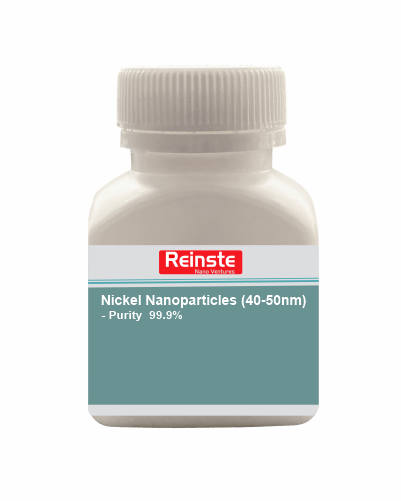
Explore Our Nano Nickel Product Range
Discover high-quality nano nickel products tailored for your research and industrial needs.


Ready to Advance Your Research with Nano Nickel?
Connect with our experts to find the perfect nano nickel solutions for your specific applications.
Get in Touch Today